
Elvis in Las Vegas: The King Finds Himself Again
When Elvis Presley stepped onto the Las Vegas stage at the start of his legendary residency, Priscilla later recalled that he seemed finally at peace. Not just in his career, but in his spirit. For the first time in years, he was in control of his choices. After being buried under the monotony of lifeless movie scripts, studio obligations, and endless demands from the industry, he was free again. Free to select his own songs. Free to design the night. Free to follow the instincts that had made him a legend. From the moment he walked onstage, that freedom was palpable. He carried himself with a calm confidence, grounded in a presence that suggested he had finally found his way back to himself.
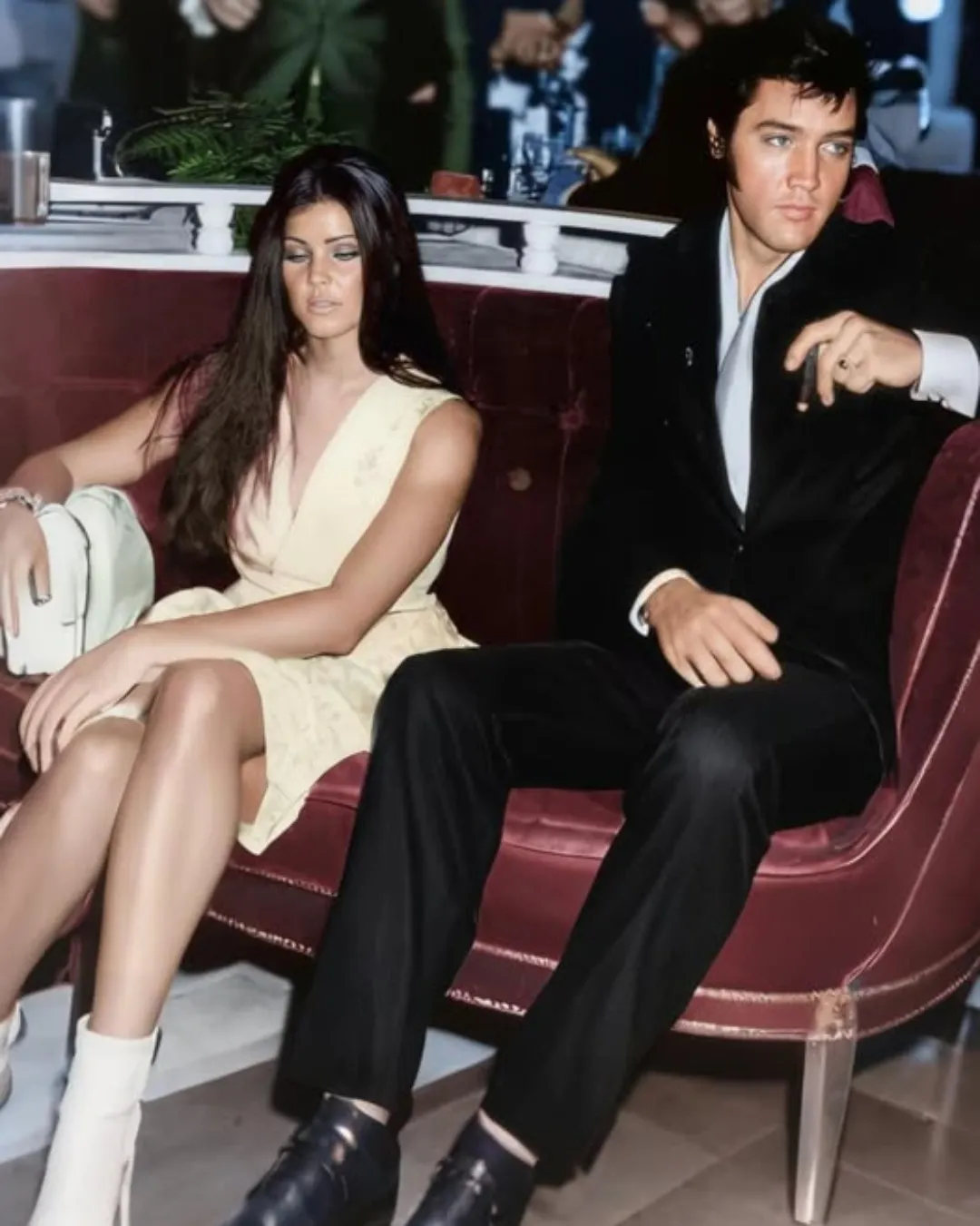
What emerged in those performances was the Elvis audiences had been longing for. No longer constrained by expectations or the trappings of fame, he had the courage to take on songs with deep emotional weight. When he sang “My Way,” it felt like a declaration of survival, an anthem not just for the fans, but for the man himself. “Bridge Over Troubled Water” became more than a song—it became a confession. Each note, each inflection, seemed to mirror the journey he had traveled: the highs, the lows, and the quiet resilience in between. His voice had grown richer, his range wider, but more importantly, his soul had deepened. Elvis was no longer performing for novelty or applause; he was telling the truth.
Onstage, Elvis spoke to his audience as if they were friends gathered in his living room. He shared joy and admitted pain with the same honesty. Sometimes his stories were long, weaving into multiple songs; other times, they were brief, a single sentence that carried a weight of sincerity. He allowed his fans to see the man behind the sequins, the one who had been shaped by fame, love, and loss. In those moments, Elvis was unscripted, and the freedom that had been denied him for so long radiated through the room. He joked easily, teased himself, and, noticing someone yawning, would grin and ask, “Are you bored?” The laughter that followed was not just amusement—it was relief, shared among thousands who could feel that the man onstage was fully alive, fully present. He understood his power, yet never let it weigh him down.
Musically, the Vegas residency was fearless. Elvis broke the unspoken rules of the city by placing gospel songs in the spotlight. “How Great Thou Art” became one of the most moving moments of the night, a spiritual high that reminded everyone of the depth beneath the spectacle. He curated each performance with precision, yet infused it with spontaneity. Classics like “Polk Salad Annie,” “Sweet Caroline,” and “Walk a Mile in My Shoes” showcased his command over both emotion and rhythm. He could be playful, sultry, explosive, or tender in equal measure. Songs like “Fever” carried a smoldering allure, while “Suspicious Minds” became a crescendo of energy, extended as long as the audience and band could match his intensity. Every night was unique, every audience treated as though it were the only one in the world.
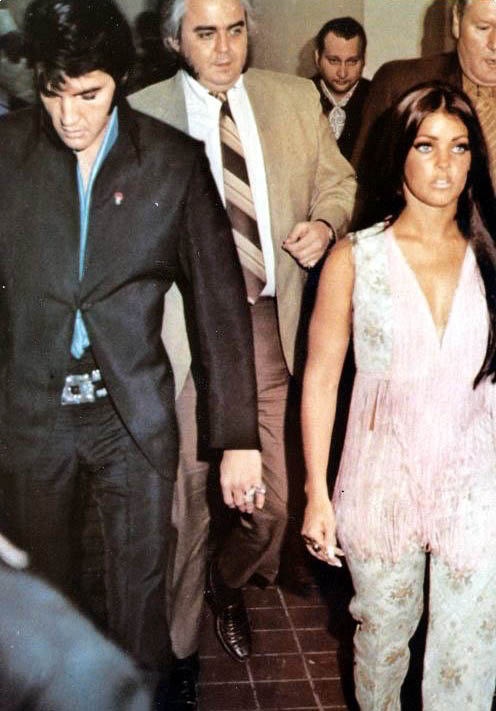
Some moments surprised even Elvis himself. While performing “You’ve Lost That Loving Feeling,” he realized he had not lost the magic that made him a phenomenon. The same voice that had reshaped music in the 1950s could still make thousands of people feel something real, something profound. In those nights under the bright lights, surrounded by thousands of faces, Elvis rediscovered what had always been at the heart of his art: connection. Fame and fortune had been the byproducts, applause merely a reminder, but connection—the intimate link between performer and audience—was the reason he had ever started singing.
The residency also revealed another side of Elvis that few had witnessed in public. He was playful, self-aware, and comfortable in his own skin. He could tease the crowd, interact with band members, or deliver a heartfelt story without pretense. He was fully himself, unafraid to let the vulnerability beneath the sequins show. Fans who had grown up idolizing the King of Rock ’n’ Roll were given a glimpse of the man, the one who had carried enormous weight for decades yet never lost his generosity of spirit.
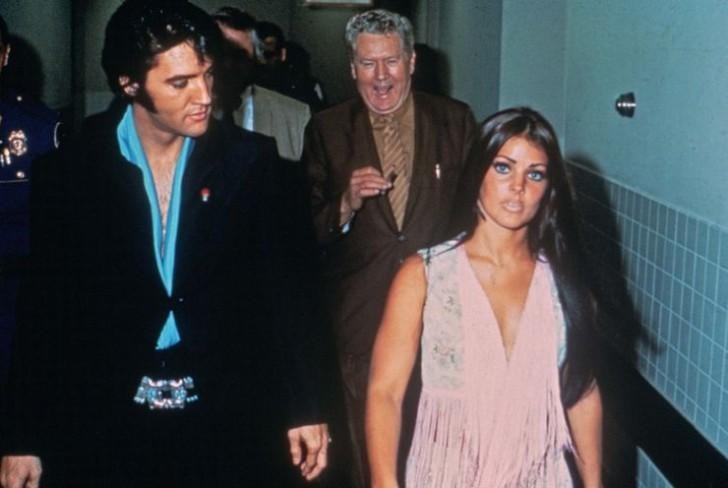
Each night in Las Vegas was a testament not just to his talent, but to his resilience. Elvis had endured the pressures of fame, relentless touring, intense media scrutiny, and personal trials. Yet here, in the desert city that had once seemed designed for spectacle over soul, he found a place where he could thrive on his own terms. He chose songs that spoke to him, shaped arrangements that reflected his mood, and shared stories that only he could tell. The audience didn’t just witness a concert—they witnessed a man reclaiming his life, his art, and his voice.
Priscilla, watching from the wings or from the audience, later reflected that this period brought a peace to Elvis that had eluded him for years. It was not a sudden transformation, but a gradual return to authenticity. Free from the constraints of his earlier career, he was able to express both power and tenderness, bravado and vulnerability. Every gesture, every note, every glance carried intention. He was a master not just of performance, but of presence.
In retrospect, those Vegas nights were more than concerts—they were a culmination of a lifetime’s journey. They reminded fans why Elvis Presley was not just a star, but a force of nature. He did not merely perform; he communicated, connected, and shared himself in ways that few artists ever have. The power of his voice, the charisma of his presence, and the honesty in his performances were unmatched. Those who experienced the shows understood that they were witnessing something rare: a man fully aligned with his artistry, unburdened by expectation, and willing to show the world his truth.
Ultimately, Elvis Presley’s Las Vegas residency was a rebirth. It was a period where he reclaimed joy, artistry, and intimacy with his audience. Through songs both tender and explosive, he reminded the world that greatness is not just about fame, numbers, or spectacle—it is about the ability to touch hearts, inspire emotions, and create moments that endure long after the final note. On those stages, under the lights, Elvis rediscovered the profound beauty of connection. He was not just singing—he was living, and in doing so, he reminded everyone why the King’s music, his presence, and his heart will never be replaced.
Circle G Ranch – The Place Where Elvis Tried to Find Peace
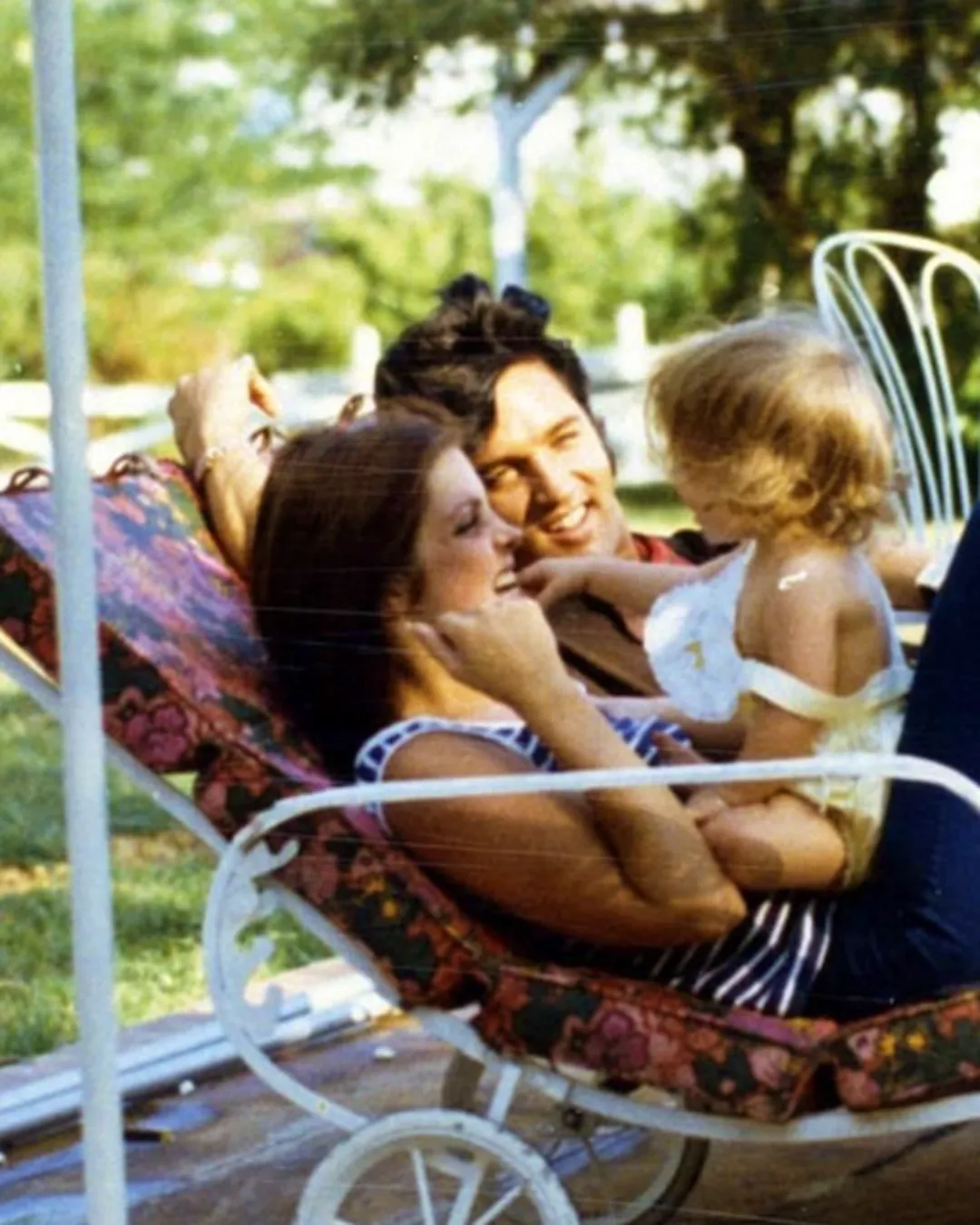
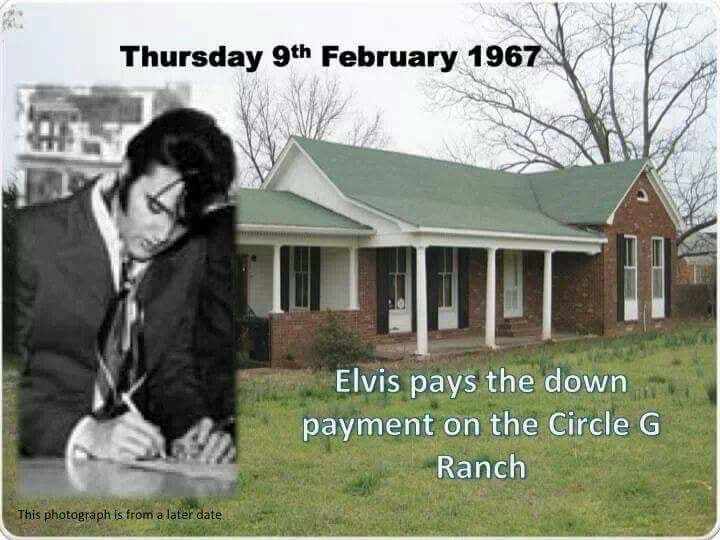
In the spring of 1967, just weeks after marrying Priscilla Beaulieu, Elvis Presley made a decision that surprised almost everyone around him. Instead of purchasing another glamorous home in Los Angeles or expanding Graceland, he bought a quiet 163-acre ranch just over the Mississippi state line in Horn Lake. It was called the Circle G Ranch, and for Elvis, it represented something rare and precious — a chance at peace.
For years, Elvis had lived inside a whirlwind. Between Hollywood film sets, relentless publicity, Vegas preparations, and the endless expectations of being “Elvis Presley,” he had little time for himself. He longed for a place where he could breathe, slow down, and feel like a normal man again — not a superstar, not a cultural icon, but simply Elvis. The Circle G Ranch became that dream.
A Newlywed Escape
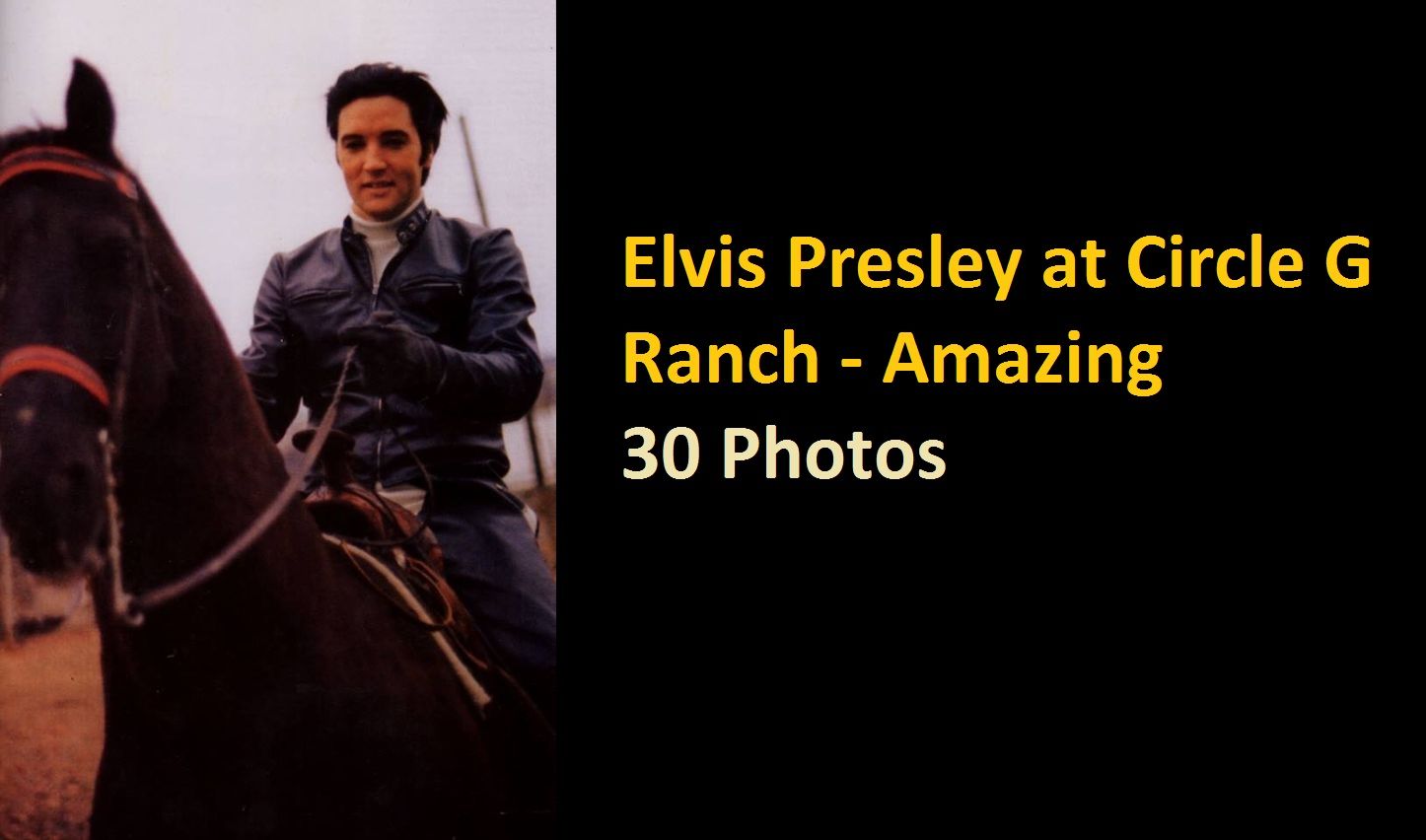
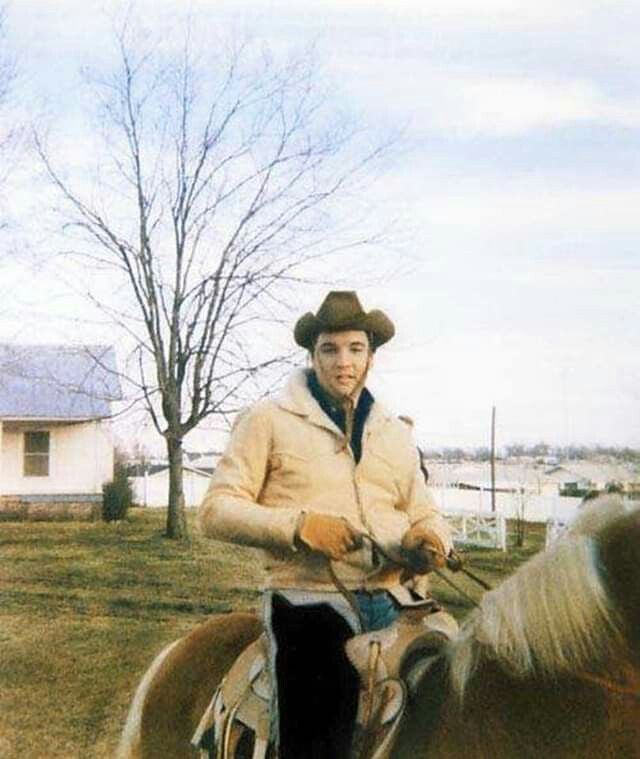
After his wedding on May 1, 1967, Elvis wanted a private sanctuary where he and Priscilla could begin their life together, away from flashbulbs and gossip columns. The ranch seemed perfect: wide open fields, a peaceful lake, long stretches of sky, and a small house that felt humble compared to the grand interiors of Graceland.
Elvis didn’t want luxury there. What he wanted was simplicity — mornings without schedules, long rides on horseback, and evenings where the loudest sound was the wind moving through the trees. It was a world completely different from the chaos of Hollywood.
The Circle G Way of Life
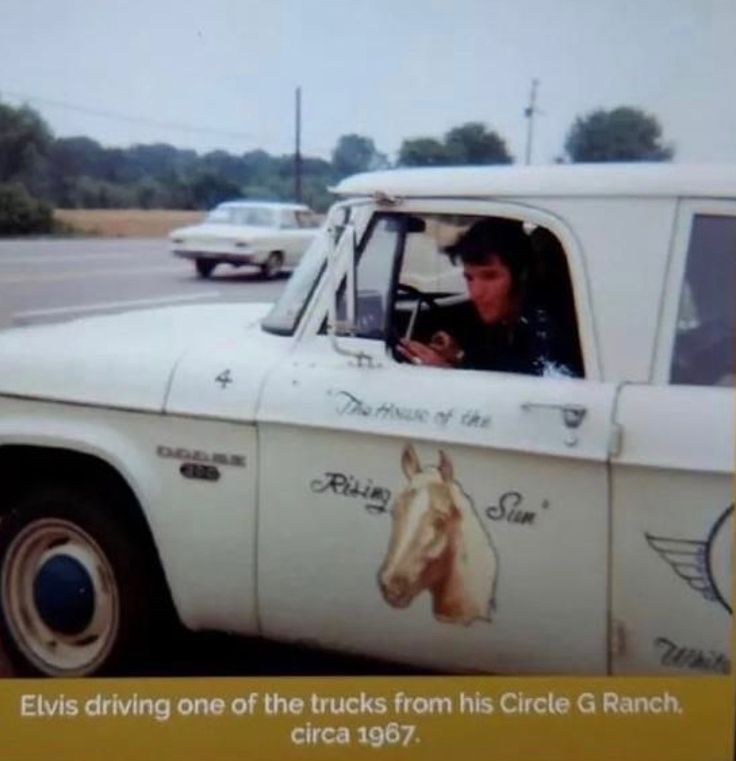
Life at the ranch quickly took on a playful, carefree rhythm. Elvis bought a fleet of Jeeps, trucks, and horses — not for show, but because he loved the thrill of roaming the land with Priscilla and the Memphis Mafia. They spent hours racing across the fields, splashing through mud, and laughing like kids who had discovered their own private kingdom.
There are stories of Elvis waking everyone up before sunrise, eager to ride across the ranch while the dew was still on the grass. He felt alive there. No cameras, no pressure, just the quiet joy of movement, nature, and companionship.
Priscilla later remembered these months as some of their happiest. They were newlyweds, surrounded by friends, and for once, Elvis wasn’t being pulled in a dozen directions at once.
A Bridge Built by His Own Hands
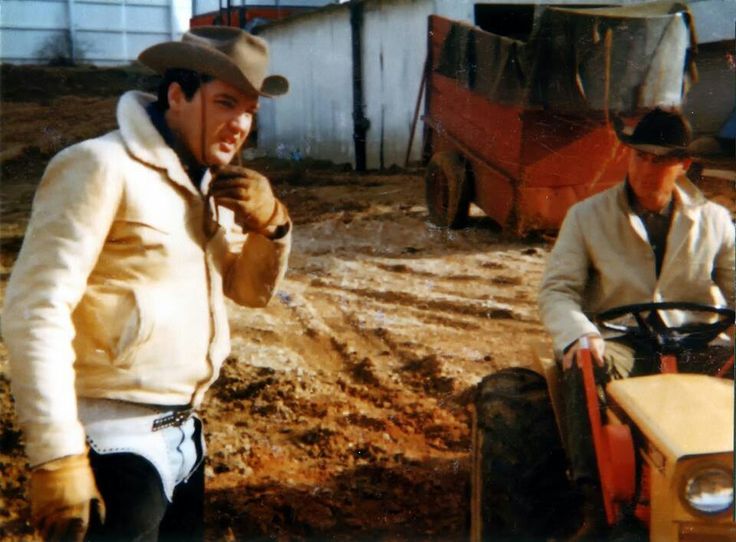
Perhaps the most touching symbol of how much the Circle G Ranch meant to Elvis is the bridge he built with his own hands. Determined to create an easier way to cross the small lake, he gathered tools, rolled up his sleeves, and worked alongside his friends. The king of rock ’n’ roll, whose hands were more familiar with microphones than hammers, spent hours stacking stones, lifting lumber, and shaping the land himself.
It wasn’t just a construction project — it was therapy. The act of creating something physical, something real, grounded him. For a man who spent most of his life surrounded by artificial Hollywood sets, this was a rare connection to something genuine.
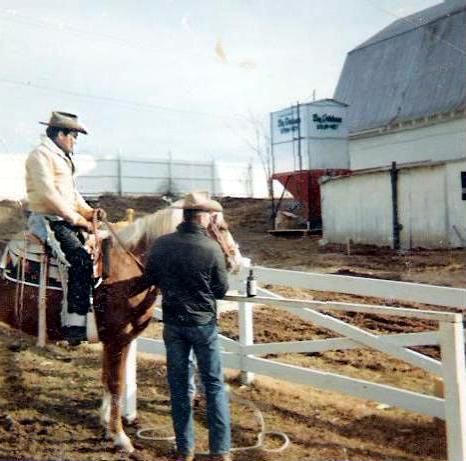
Elvis also invested thousands into improving the ranch: fencing, new barns, renovated trailers for his friends, and better stables for the horses. He dreamed of turning Circle G into a true home for his growing family — a place where his future children could play freely and where he could escape whenever fame became too heavy.
The Reality That Followed
But the peace Elvis found at Circle G was fragile. Even in the quiet countryside, fans discovered where he was staying. Crowds formed at the gates. Reporters lingered nearby. The ranch, meant to be a refuge, slowly became another place where Elvis couldn’t completely disappear.
Financially, the ranch became difficult as well. The upkeep was enormous — maintaining the land, caring for dozens of horses, paying staff, and funding continuous improvements all added up. At the same time, Elvis’s movie schedule tightened again, pulling him back to California for long filming sessions. Each time he returned to the ranch, he found more work needed to be done and less time to enjoy it.
Priscilla later said that Elvis tried desperately to hold onto the peaceful life he found there, but the world around him simply wouldn’t let him.
The End of the Dream
By 1969, the decision was made. Elvis sold the Circle G Ranch. It wasn’t easy — he had poured money, sweat, and dreams into that land. But he knew he couldn’t commit the time or resources needed to keep it alive. The ranch had been a sanctuary, a place where he briefly felt balanced and free, but it was a dream he couldn’t sustain.
When he left Circle G, he left behind more than acreage and buildings. He left behind one of the few places where he had ever truly relaxed, where he had allowed himself to be ordinary, where he had tasted the simple life he always longed for.
A Brief, Beautiful Chapter
In the massive story of Elvis Presley’s life, the Circle G Ranch is a short chapter — less than two years. But emotionally, it is one of the most revealing. It shows a man yearning for quiet, for freedom, for a life outside the spotlight. It shows Elvis not as a legend, but as a human being searching for peace.
And for a while, he found it. At Circle G, he found blue skies, open fields, and moments of joy untouched by fame. The ranch was brief, but it was real — one of the last places where Elvis Presley ever truly felt at peace.