Following Elvis Presley’s Footsteps on Oʻahu: Where the Legend Still Breathes
If you want to walk in Elvis Presley’s footsteps, Oʻahu is the place where his story still lives. More than just a tropical paradise, the island is a living museum of the King’s legacy — a place where the waves, the landscapes, and even the air still hold echoes of Elvis’s voice. From world-famous landmarks to hidden coves featured in his films, Oʻahu remains the island where Elvis felt most at home, and where fans can feel closest to him today.
Your journey begins at the Neal S. Blaisdell Center, the site of one of the most groundbreaking moments in music history. It was here, on January 14, 1973, that Elvis performed Aloha from Hawaii, the first concert broadcast live via satellite to more than a billion viewers across the globe. No one had ever attempted anything of this scale before — it was ambitious, daring, and technologically unprecedented. Yet Elvis delivered a performance that felt both intimate and monumental, reminding the world why he remained the most electrifying entertainer alive.
Step outside the arena and you’ll find a full-size bronze statue of Elvis, frozen mid-performance in his iconic bejeweled jumpsuit. The statue stands exactly where he once walked, sang, and rewrote the rules of what live performance could be. Fans often pause here to take photos, leave flowers, or simply stand in silence, imagining the roar of the crowd that once echoed between these walls. It’s a powerful place — the perfect starting point for anyone tracing Elvis’s Hawaiian story.
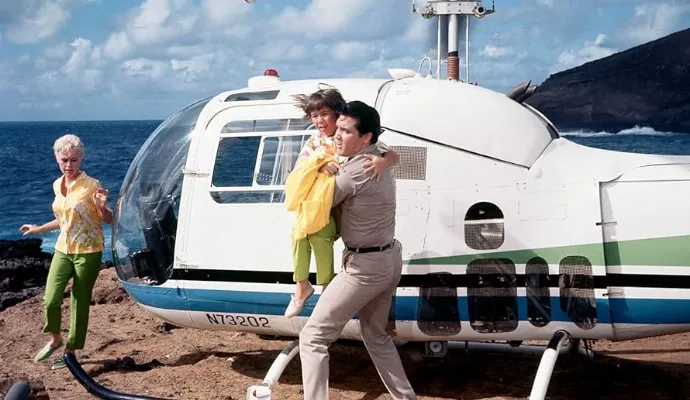
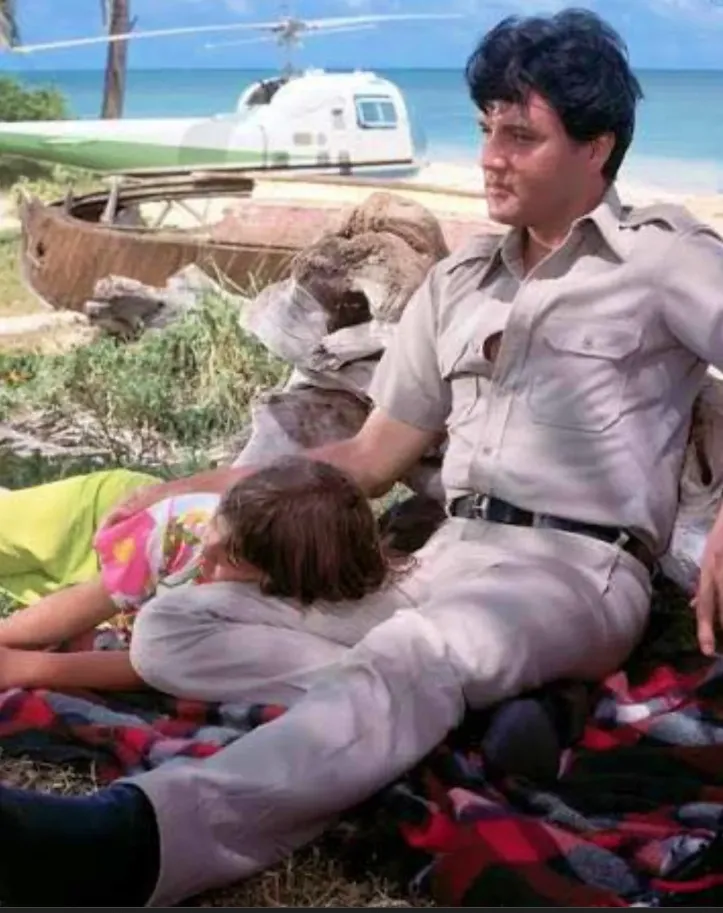
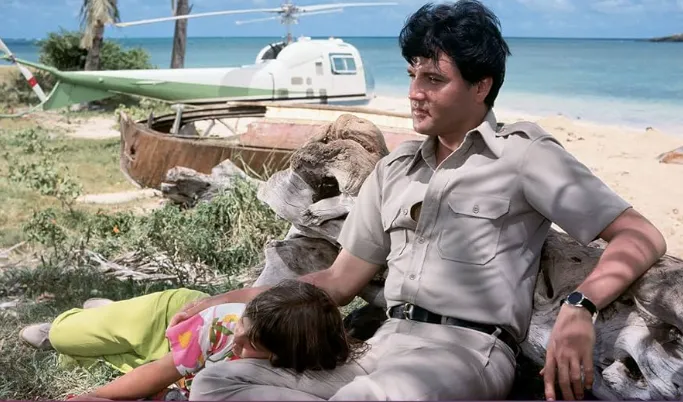
From the Blaisdell Center, head south toward the shoreline. The beaches of Honolulu played a starring role in shaping Elvis’s connection to Hawaii, both personally and on film. Waikiki Beach, with its gentle waves and golden sand, appeared in Blue Hawaii, Girls! Girls! Girls!, and Paradise, Hawaiian Style. Though decades have passed, the beach feels remarkably unchanged. The palms still sway the same way they did when Elvis stood under them, and the ocean still glows with that unmistakable Hawaiian blue.
Nearby Ala Moana Beach Park offers a quieter but equally meaningful stop. Scenes from several Elvis films were shot here, and if you look carefully, you can still line up the ocean, the palm trees, and the skyline in ways that perfectly match old movie stills. Fans often say that Ala Moana feels like stepping through a door into the 1960s — a place where Elvis’s presence lingers in the light, the breeze, and the rhythm of the tide.
For a classic Elvis photo moment, drive up the winding road to Tantalus Lookout, perched high above Honolulu. The panoramic sweep of the city, the glittering coastline, and the dramatic silhouette of Diamond Head create one of the most iconic views on the island. Photographers have long loved this viewpoint, and it captures the same cinematic spirit that defined so many of Elvis’s Hawaiian images. Standing here, with the wind carrying the scent of eucalyptus and rain forest, you can almost picture Elvis in his Hawaiian shirts, smiling at the horizon.
But Oʻahu holds more than beauty and movie memories — it also preserves one of the most meaningful acts of generosity in Elvis’s life. A short drive from Honolulu brings you to Pearl Harbor and the USS Arizona Memorial, a place of deep reflection. In 1961, when funding for the memorial stalled, Elvis stepped forward. He organized a benefit concert that raised over $60,000 — a huge sum at the time — which provided the momentum needed to complete the project. It wasn’t a publicity stunt or a commercial move; it was an act of genuine gratitude and respect for the fallen servicemen.
Visiting the memorial today, you can feel the solemnity of the space — the still waters, the sunken remains of the Arizona, the whispers of history beneath the surface. For many Elvis fans, this is the most emotional stop on the island, because it reveals the King not just as an entertainer, but as a man of heart.
From Pearl Harbor, continue east along the coastline until you reach Hanauma Bay, a stunning turquoise crescent nestled within an ancient volcanic crater. Elvis filmed several scenes here, and the bay’s vibrant coral reef and clear waters remain just as breathtaking as they were in the 1960s. Even with modern conservation measures in place, Hanauma retains that untouched, dreamlike quality that made it a favorite filming location and a place Elvis loved to escape to during his downtime.

As you leave the bustle of Honolulu and move toward the island’s quieter northern stretches, you’ll discover places where the Hawaiian spirit and Elvis’s cinematic world intertwine. The Polynesian Cultural Center, located in Lāʻie, celebrates the traditions, music, and history of the Pacific Islands — culture that Elvis admired deeply and helped introduce to millions of viewers through his movies. Some of the center’s village scenes and performances echo the backdrop of his films, and walking through the grounds feels like stepping into the world Elvis helped showcase.

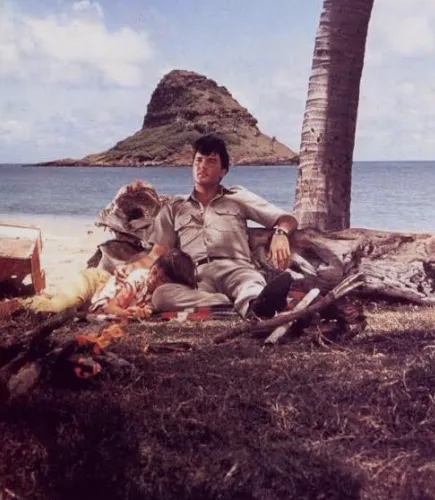
Nearby, the coastline around Mokoliʻi (also known as Chinaman’s Hat) offers another stunning reminder of Elvis’s film legacy. Featured in Paradise, Hawaiian Style, the vistas around this small offshore islet remain among the most picturesque in Hawaii. The rugged cliffs, emerald waters, and gentle curve of the bay form a natural postcard — a place where the boundary between past and present feels especially thin.
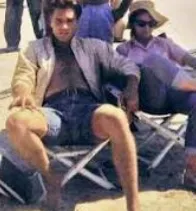
No Elvis pilgrimage would be complete without a final stop at the Hilton Hawaiian Village, the King’s favorite hotel in Honolulu. He stayed there seven times, and the resort still carries stories of his visits — tales of fans gathering outside, late-night jam sessions, and Elvis relaxing on the balcony overlooking the lagoon. Today, the hotel honors his legacy with memorabilia, historical notes, and even a suite inspired by his stays. Walking through the lobby, you can almost feel the echoes of excitement from decades past, when news spread that Elvis was in town.
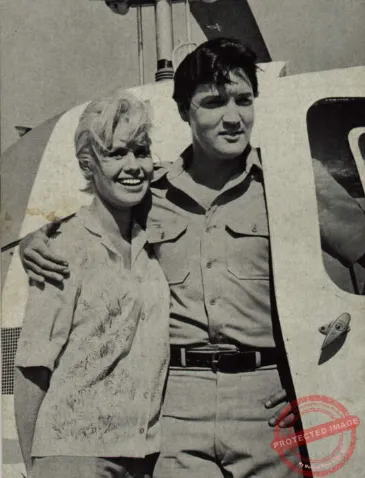
And that is the magic of Oʻahu: Elvis isn’t just a figure of history here — he’s woven into the landscapes themselves. Every beach he walked, every hill he stood upon, every place he sang or filmed or gave from his heart remains touched by his presence. The ocean still rolls in with the same steady rhythm that accompanied his Hawaiian days, and the sunsets still paint the sky with the colors he once admired.
On this island, Elvis Presley is not just a memory.
He’s everywhere the ocean meets the shore — forever part of Hawaii’s story, and forever part of its soul.
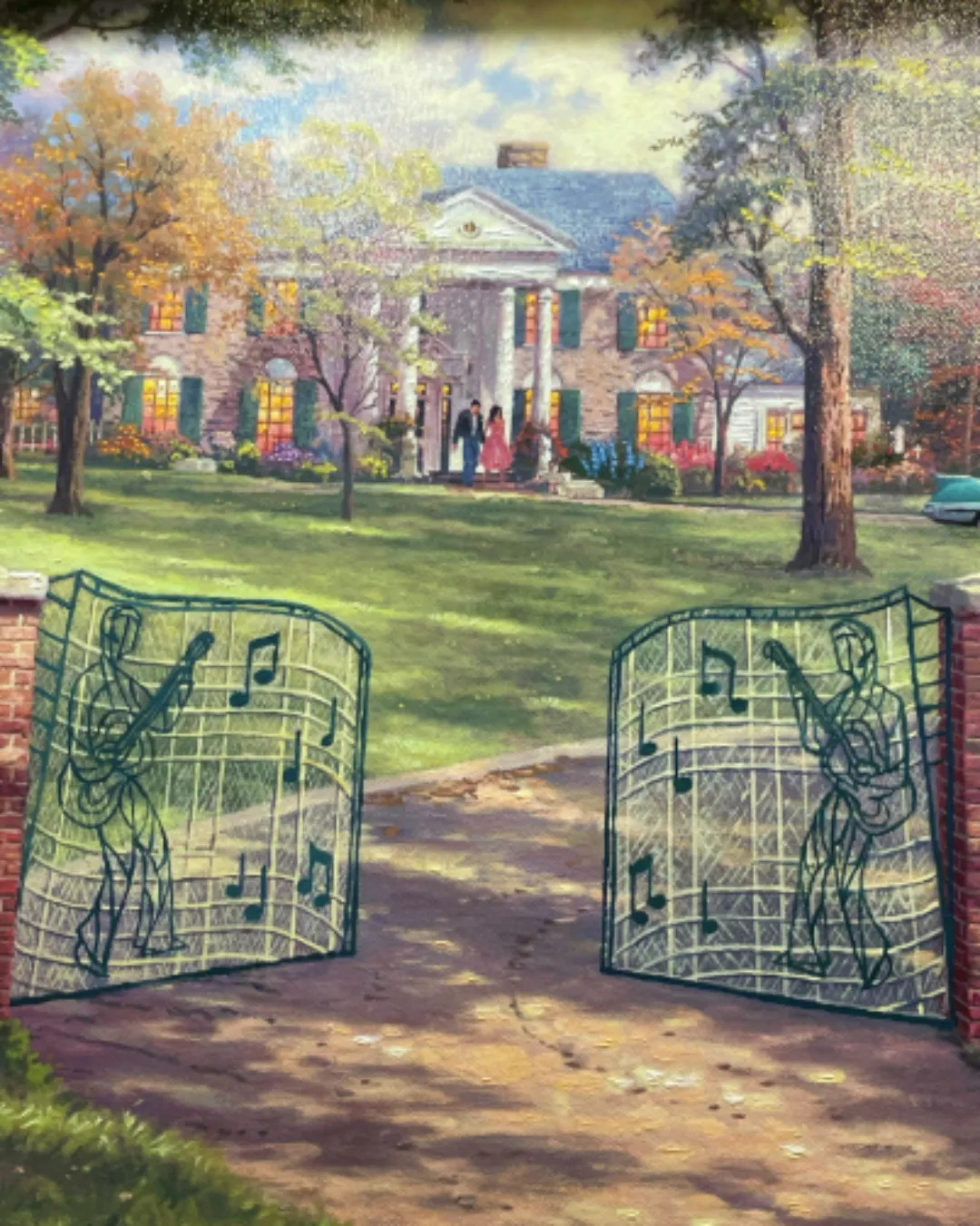
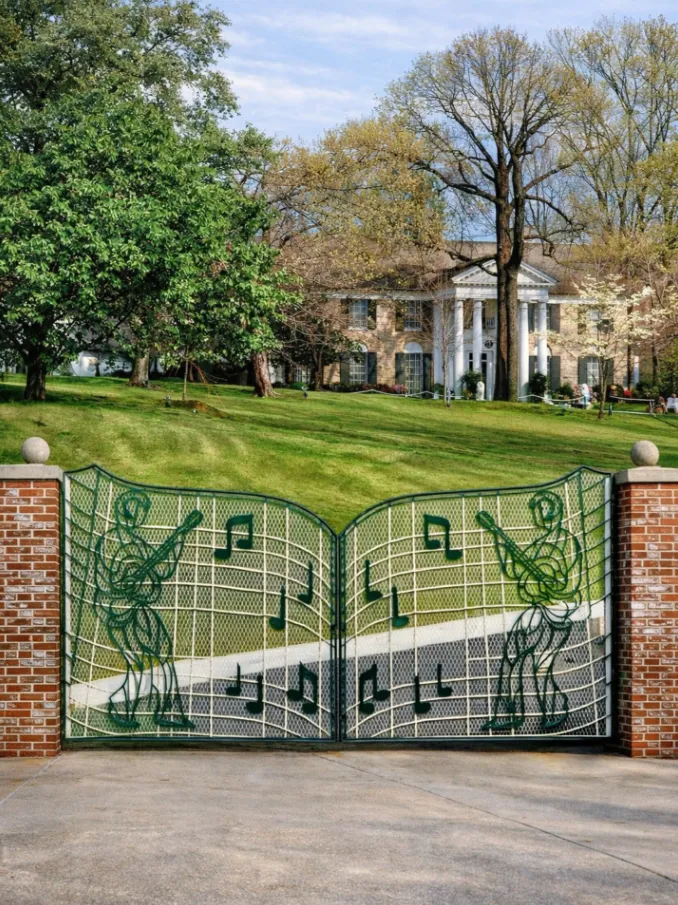
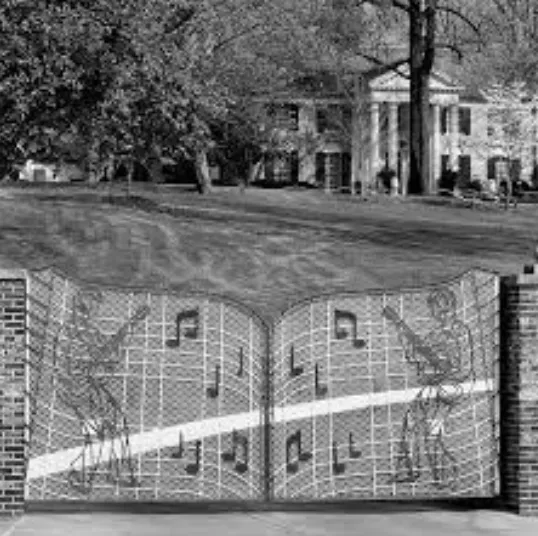
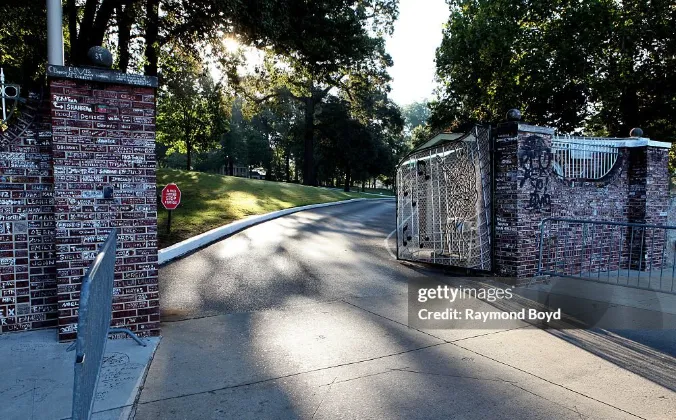
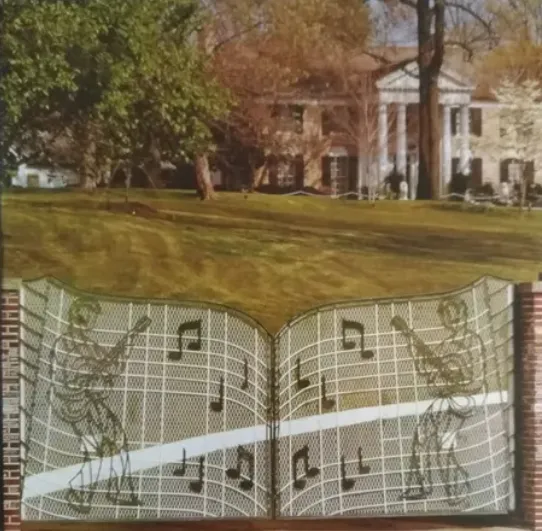
The Gates That Sang: How Elvis Presley Turned Graceland into a Living Legend