
The Humble Beginnings of the Presley Family: A Love Story Shaped by Hardship, Hope, and the Dream of Home
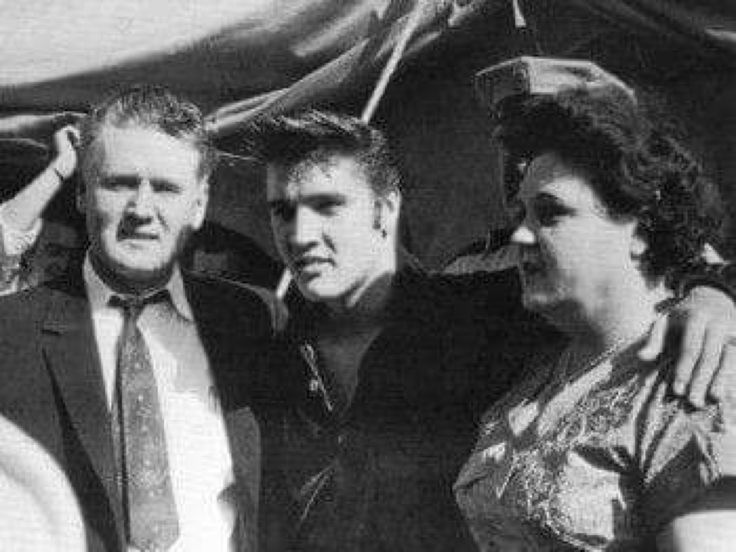
Long before the world knew the name Elvis Presley — before the gold records, the screaming crowds, or the lightning rise of a boy from Tupelo — there was a young couple whose love and determination shaped the foundation of everything he would become. Their story began not with glamour or abundance, but with the grit and intimacy of small-town life during America’s toughest years: the Great Depression.
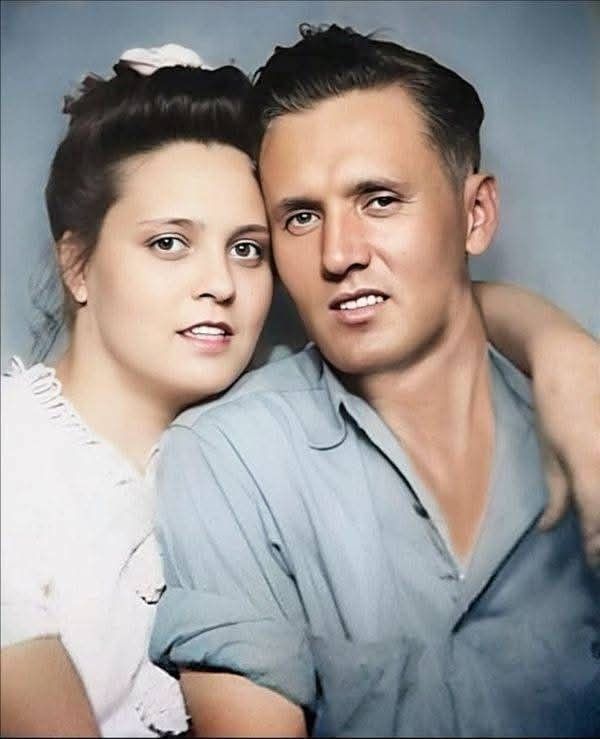
Vernon Presley, who liked to joke that he “was raised on a cotton patch,” was only seventeen when he met twenty-two-year-old Gladys Smith. Age mattered little to them. What bound them together was something deeper — a shared sense of loneliness, struggle, and longing for a better life. Within just a couple of months of knowing each other, they eloped, running off to the next county to get married in 1933. They lied on their marriage license, making Vernon older and Gladys younger, not out of deceit, but out of necessity. Life was hard; survival meant bending rules.
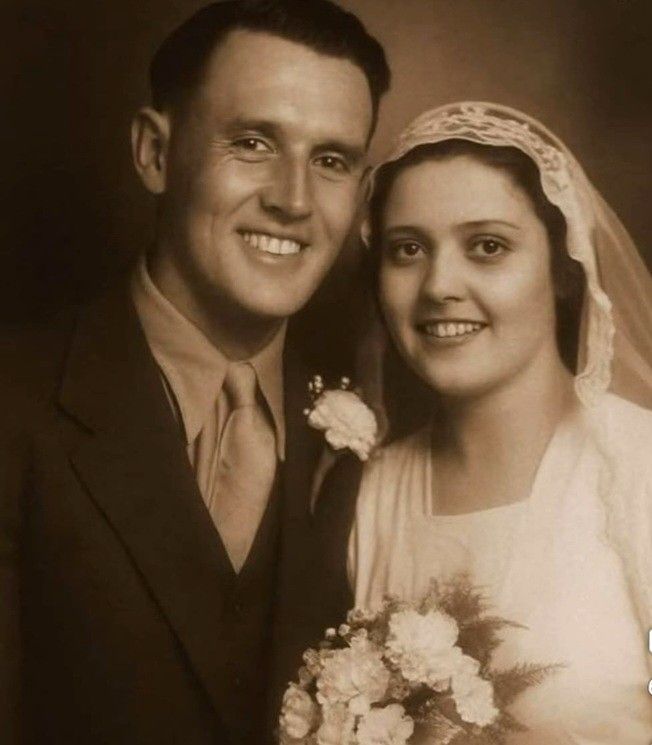
At the time, Gladys worked long hours at the Tupelo Garment Center, earning just two dollars a day at a sewing machine. Vernon took whatever work he could find — laboring in fields, doing odd jobs, anything that offered a few dollars. But the Depression had crushed opportunities, and steady jobs were nearly impossible to come by. Yet in the midst of uncertainty, they found comfort in each other.
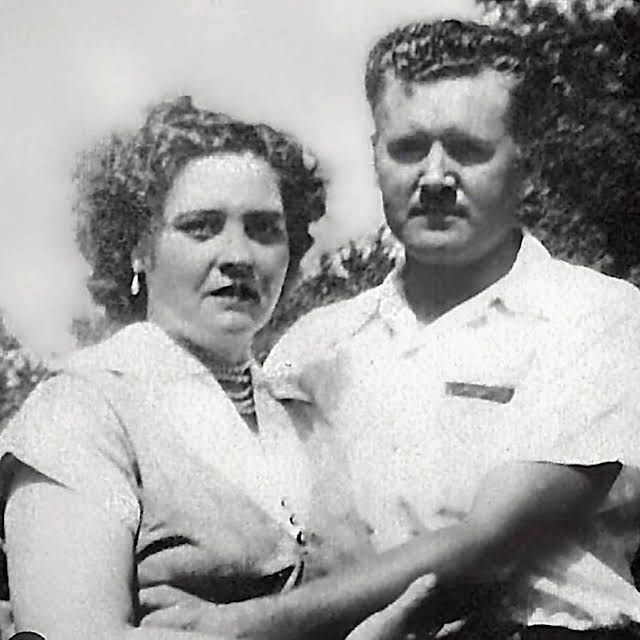
After they married, Vernon and Gladys moved in briefly with Vernon’s parents. But living with extended family was cramped and offered little privacy. They dreamed of something more — a place that was theirs alone. With little more than determination, Vernon borrowed $180 from a local money-lender named Orville Bean. The loan was small by today’s standards, but in 1933, it was daunting. Still, it was enough to buy materials for a tiny house on an empty lot next to Vernon’s parents.
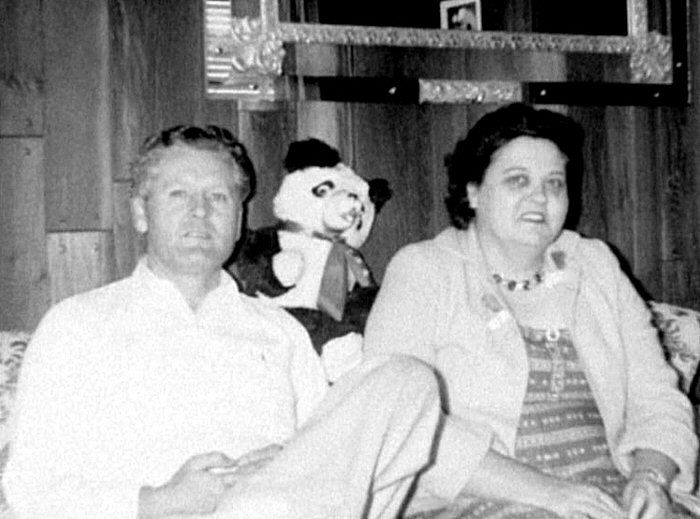
Vernon had worked as a carpenter here and there, so he decided to build the house himself. With the help of his father and brother, the young man constructed a simple two-room home. The structure had no ceiling, no separate kitchen, and the toilet stood outside. Gladys carried water from a communal pump down the road, storing it in a two-gallon tank. Neighbors might have said it wasn’t much — but for Vernon and Gladys, it was everything.
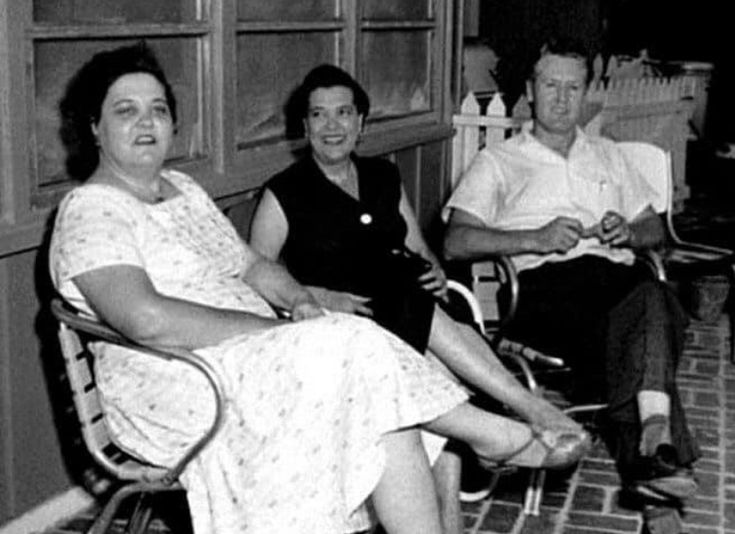
And to Gladys especially, that little shotgun house was a dream made real.
She would later tell her young son, Elvis, how proud she had been the day they moved in. In those years, many families had nothing. Few owned homes; fewer still had the luxury of a space they could call their own. The Presleys had chickens in the yard, a porch where they would sit in the summer evenings, and each other. When Gladys became pregnant, she and Vernon would rock gently on that porch, talking about names, hopes, and the future they imagined for their baby. They pictured the life their child might have — a life better than theirs.
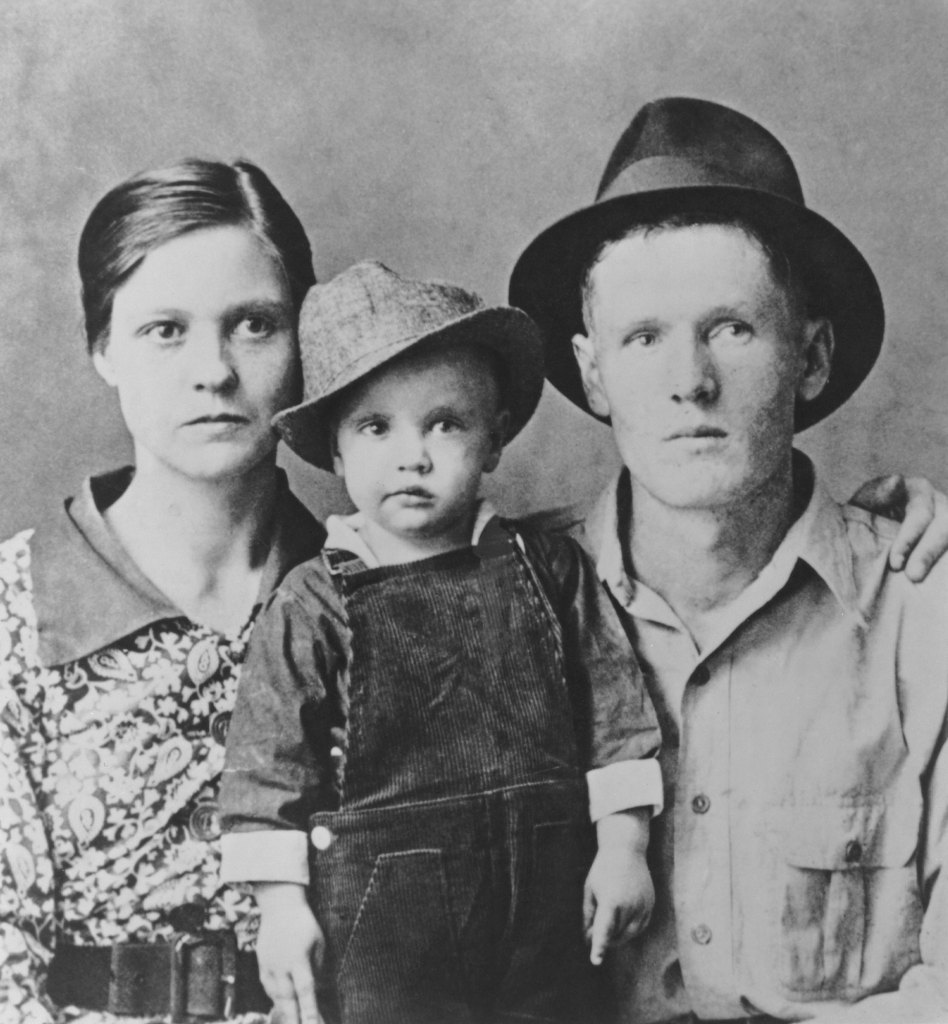
But life had more heartbreak in store than either of them could have foreseen.
On January 8, 1935, Gladys gave birth to twin boys. The first, Jesse Garon, was stillborn. His loss devastated the young couple. The second twin, Elvis Aaron, arrived alive but fragile, small, and quiet. In their grief, they clung to him with fierce intensity. Gladys would often say that after Jesse’s death, Elvis became her entire world — her only plan, her greatest hope.
The tiny house that Vernon built became the cradle of the Presley story. Elvis would grow up hearing his mother reminisce about those early days — how she and Vernon had almost nothing but love, how they laughed, struggled, and dreamed on that porch. For young Elvis, these stories weren’t just family memories; they were lessons of resilience, sacrifice, and devotion.
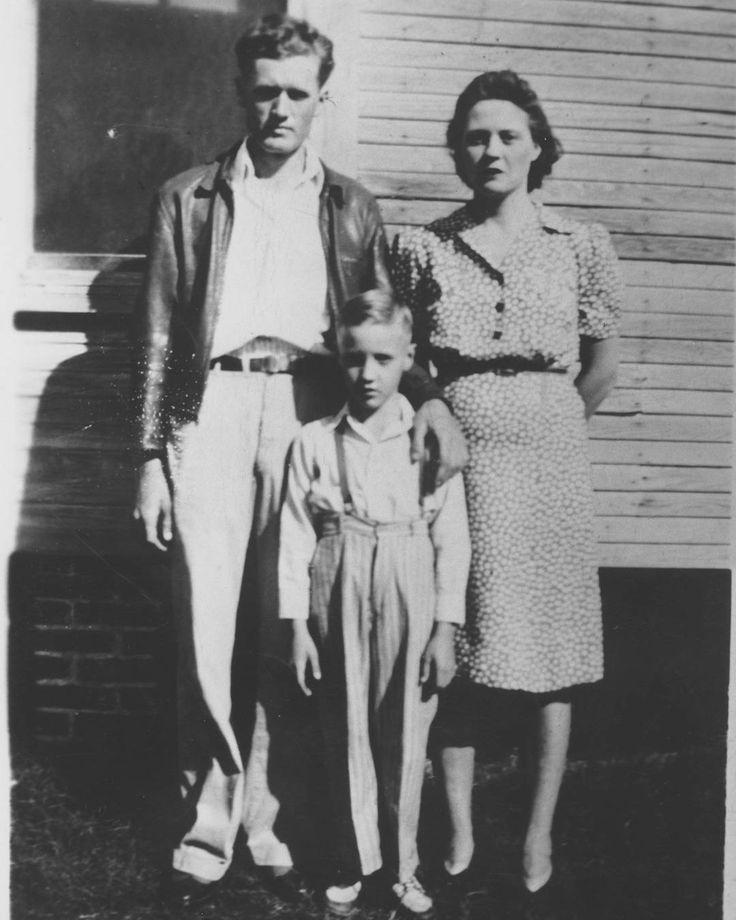
Gladys often reminded her son that she and Vernon had started with very little. There were no luxuries, no savings, no guarantees. But what they lacked in comfort, they made up for in warmth. She told Elvis how she had been proud of that humble home — proud that she and Vernon had built something together. That sense of pride, of gratitude, shaped Elvis deeply. It stayed with him long after fame arrived, grounding him in humility and reminding him of where he came from.
As Elvis grew, the bond between mother and son only strengthened. He felt her love in every story she told about those early years — how her dreams for him were born on that porch, how she carried water, cooked simple meals, and held their tiny family together with determination. Even when the world would later see Elvis as The King of Rock & Roll, he always saw himself as Gladys’s son, shaped by the struggles and sacrifices of two young parents who did the best they could with almost nothing.
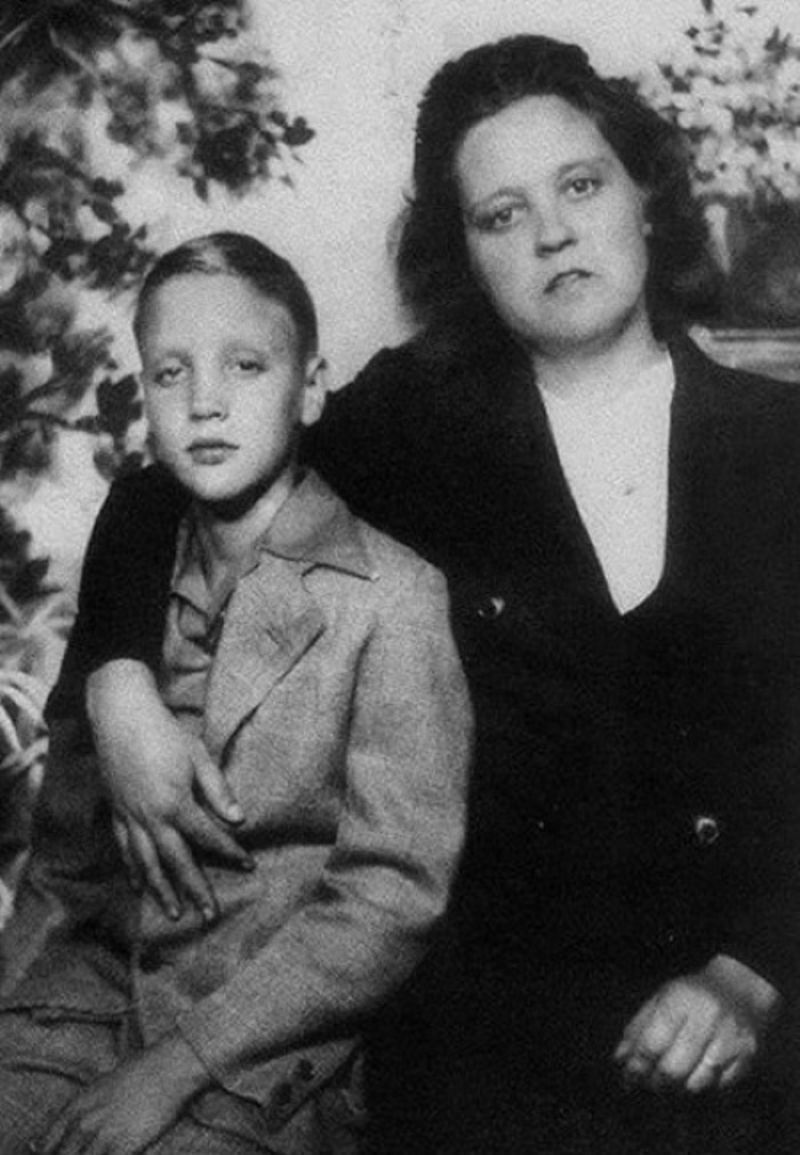
The Presley home may have been small, but it held the beginnings of one of the most extraordinary lives of the 20th century. It held laughter, sorrow, hope, and the love of two people who believed — despite every hardship — that brighter days were waiting.
And perhaps that is why Elvis carried his mother’s memory so close to his heart throughout his life. Because everything — every triumph, every song, every step — began in that simple two-room house, built by a 17-year-old boy in love and held together by the quiet strength of a woman who never stopped believing.
From that tiny home in Tupelo, a legend was born.
The Love That Endures: Riley Keough on Her Mother, Lisa Marie Presley
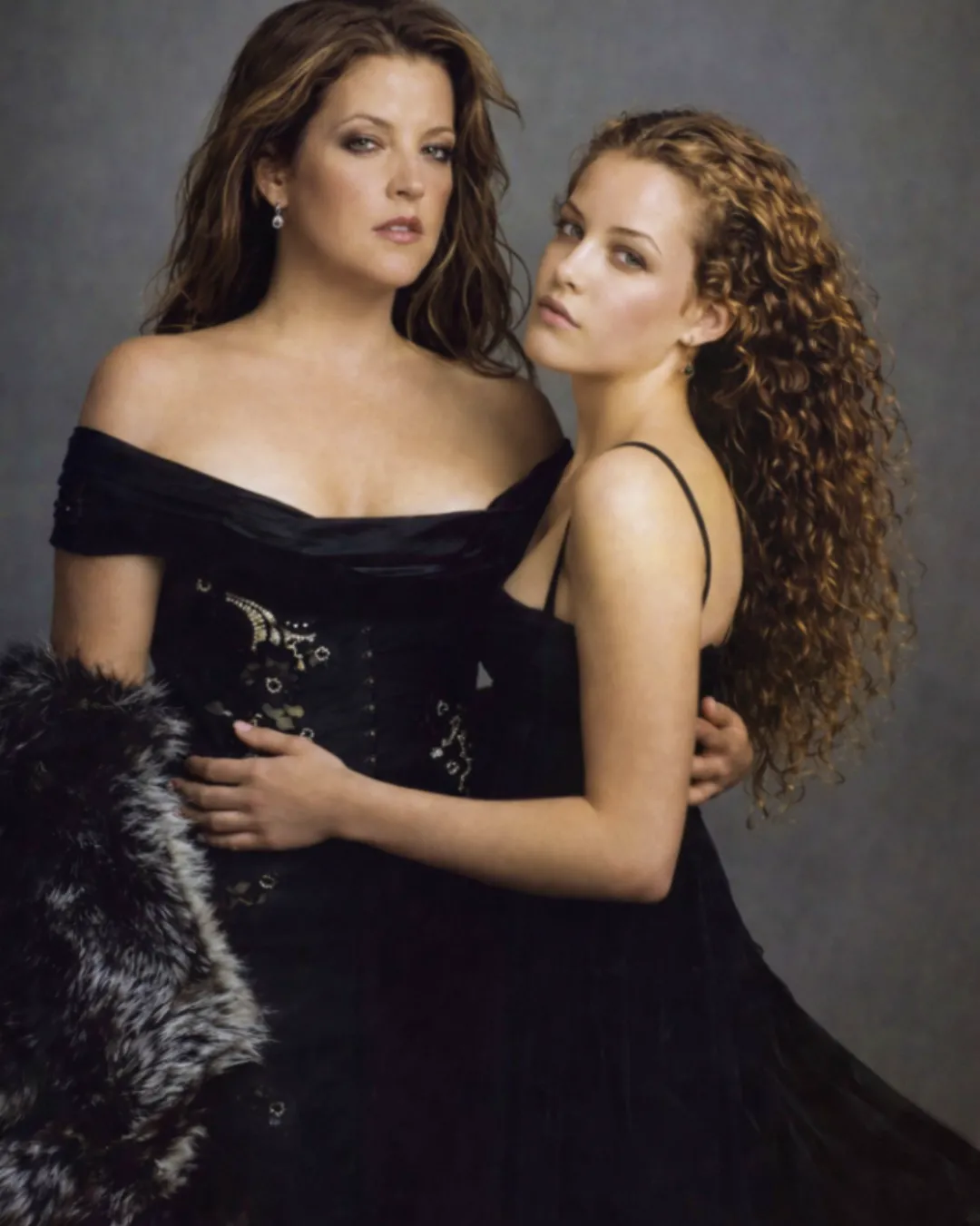
When Riley Keough spoke about her mother in a Vanity Fair interview, her words carried the unmistakable weight of love shaped by loss. She smiled as she searched for language strong enough to hold Lisa Marie Presley, knowing even as she spoke that no summary could ever be complete. There was pride in her voice, unmistakable and steady, but there was something deeper too—a recognition that her mother’s life resisted simplification. Lisa Marie, Riley said, lived without apology. She moved through the world with a strength that never bent, even when life demanded that it should.
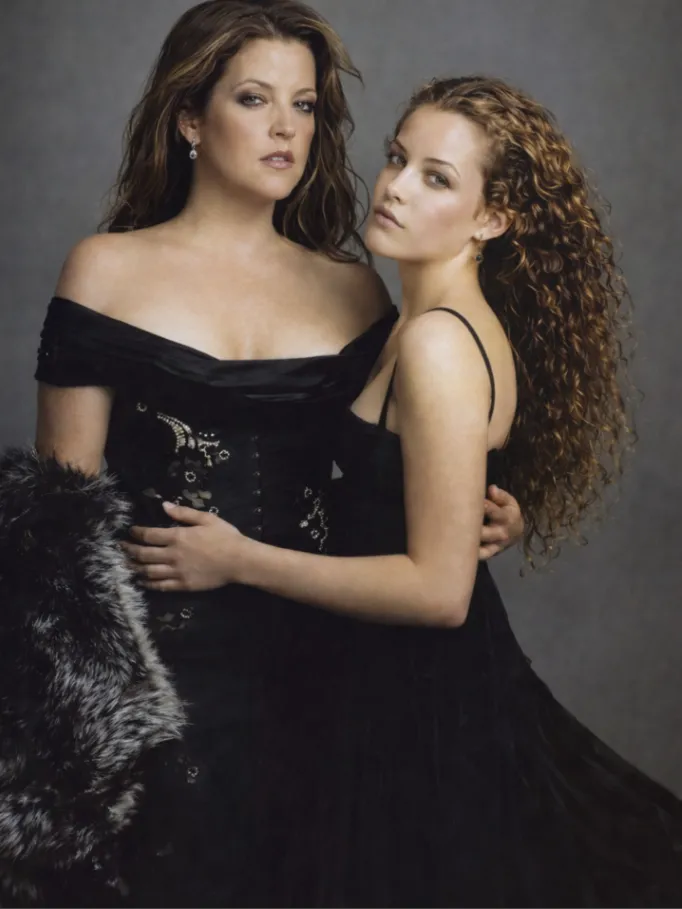
To understand Lisa Marie Presley is to understand contradiction. Born into one of the most famous families in history, she entered a world already watching, already expecting. From the moment she could walk, her name carried meaning far beyond her control. Fame arrived not as a choice but as an inheritance, and with it came a loss of privacy, of innocence, of safety. Riley spoke openly about this reality—not with bitterness, but with clarity. Early fame, she explained, stripped her mother of the protection most people take for granted. Attention surrounded her constantly, yet rarely shielded her from harm.
As Riley continued, her tone grew quieter, more reflective. She acknowledged how difficult her mother’s life had been, how betrayal and disappointment were not isolated experiences but recurring patterns. Lisa Marie was often surrounded by people who wanted something from her—access, status, validation—rather than people who offered love without conditions. Trust became complicated. Vulnerability came at a cost. And yet, Riley emphasized, her mother did not collapse under that weight. She adapted. She endured.

What Riley described was not a woman hardened by cruelty, but one sharpened by experience. Survival required resilience, and Lisa Marie learned it early. She learned how to read people quickly, how to protect herself without becoming cold, how to remain open without becoming defenseless. Riley spoke with deep respect for that resilience, recognizing it not as emotional armor, but as a form of courage. It is not easy to remain soft in a world that has proven unsafe. Lisa Marie did.
Despite everything life took from her, Riley described her mother as fiercely devoted to those she loved. Loyal to the core, deeply affectionate, and instinctively protective, Lisa Marie carried herself like a lioness—guarding her heart and her family with quiet strength. When she loved, she loved intensely. When she committed, she stood firm, even when it cost her emotionally. Riley’s words painted the portrait of a woman who did not retreat from attachment despite being wounded by it. That choice alone spoke volumes about her character.

There was power in the way Riley spoke about her mother’s loyalty. It was not blind or naïve, but deliberate. Lisa Marie knew the risks of loving deeply, yet she refused to live cautiously. She believed in honesty, in showing up fully, in meeting life without half-measures. Strength, in her world, was not domination or control—it was endurance paired with integrity. She did not bend herself to be palatable. She remained who she was, even when it would have been easier to disappear behind the safety of silence.
When Riley finally spoke of Lisa Marie as a mother, her voice softened completely. Gone was the analysis, the reflection, the careful acknowledgment of hardship. What remained was something simpler and more profound. She called her wonderful. The best mom. In that unadorned truth lived everything else.

Beyond the famous name and the relentless public narrative, Lisa Marie was, first and foremost, a mother. She gave Riley love that was fierce and unwavering. She offered courage—not the absence of fear, but the willingness to live honestly despite it. And perhaps most importantly, she modeled authenticity. Riley did not describe a perfect childhood or an idealized parent. She described a real woman who showed her child what it meant to survive with dignity and to love without apology.
In Riley’s telling, Lisa Marie was not defined by tragedy, nor by legacy, nor by the weight of history attached to her surname. She was defined by the love she gave and the strength with which she lived. That love did not end with her life. It continues—in the values Riley carries, in the way she speaks, in the quiet confidence with which she honors her mother’s truth.
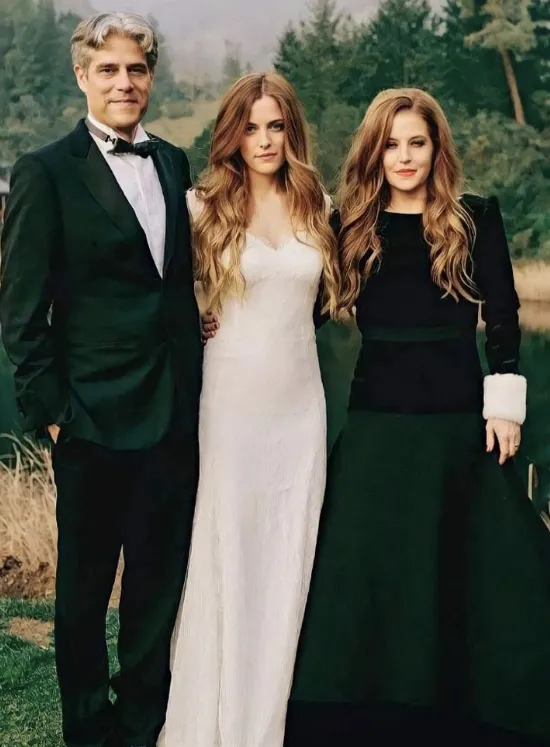
There is something deeply moving about hearing a daughter speak of her mother not as a symbol, but as a human being. Riley did not attempt to rewrite history or soften reality. She acknowledged pain openly, but she refused to let pain be the final word. Instead, she centered her mother’s spirit—unyielding, loyal, and profoundly loving.
In a world that often reduces women like Lisa Marie Presley to headlines and speculation, Riley’s voice offered something rare: restoration. She returned her mother to herself. Not an icon. Not a cautionary tale. But a woman who lived fully, loved fiercely, and endured honestly.
Legacy, in this telling, is not measured by fame or fortune. It is measured by what remains when everything else falls away. For Lisa Marie Presley, that legacy lives in the daughter who speaks her name with pride, understanding, and love. A love that was taught, received, and now carried forward. A love that endures—even now.