
Charlie Hodge: The Man Who Loved Elvis the Most
Elvis Presley once confided in Charlie Hodge, “Every king needs a court jester, and you’re mine.” It was a line that many dismissed as playful banter, yet for Charlie, it reflected a deeper truth about his place in Elvis’s life. Charlie was far more than a sidekick or an entertainer who handed water and scarves on stage—he was one of the people who loved Elvis the most, and who arguably knew him better than almost anyone else.
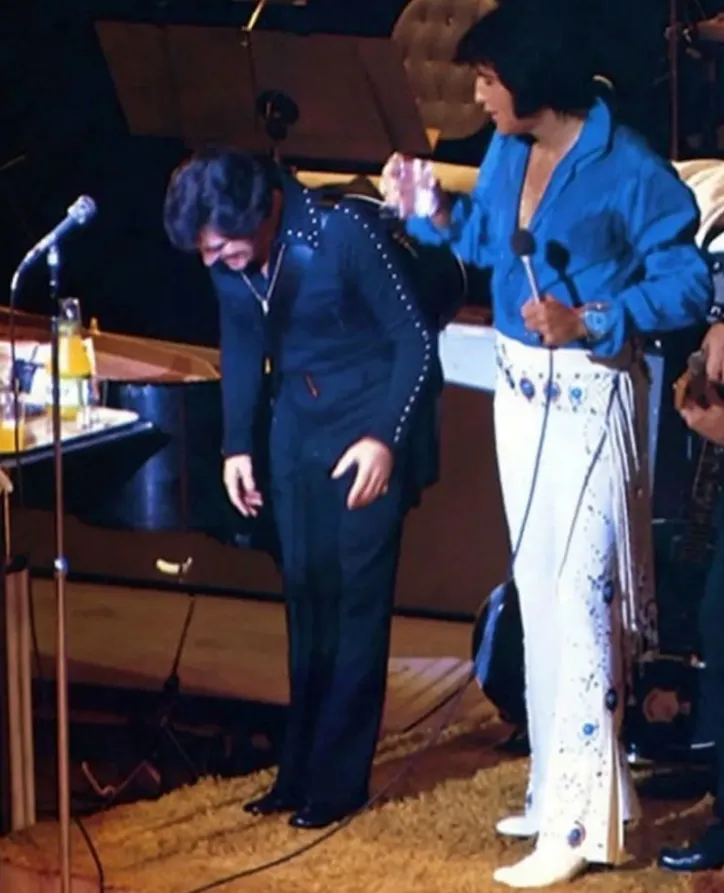
Charlie Hodge was a singer with the Foggy River Boys, a modest group from Tennessee whose musical roots ran deep. Unlike the towering figures that surrounded Elvis in his career, Charlie was small in stature, often needing to stand on a crate to reach the microphone. His first encounter with Elvis occurred on the Red Foley Show in Memphis in 1956, a meeting that might have seemed incidental at the time. Their paths diverged, only to converge years later when both found themselves stationed at Fort Hood, Texas. It was there, amid military life and the discipline of the army, that their bond began to take shape in a way that would last for decades.
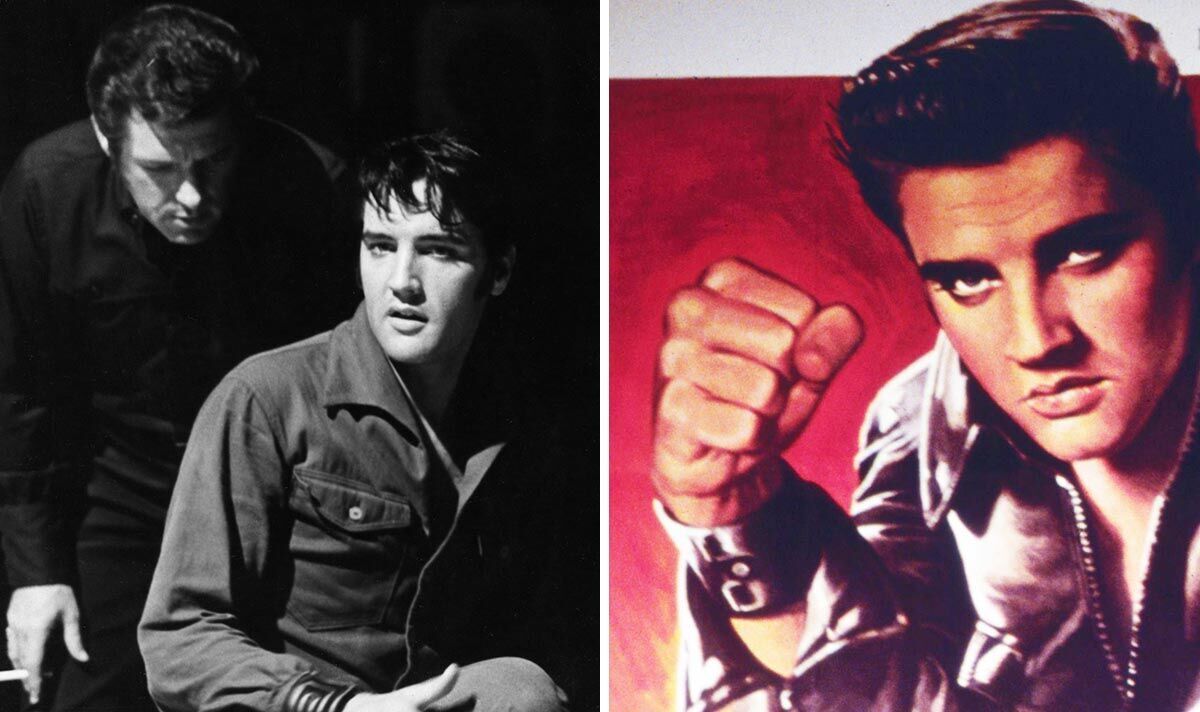
The two men reconnected in a period of personal turmoil for Elvis. On a voyage to Europe, during the height of his military service, Charlie found himself in a position few could ever understand. Elvis was grieving the loss of his mother, Gladys, a loss that had left him vulnerable, irritable, and profoundly sad. Charlie became a stabilizing presence, a steady hand who could lift Elvis’s spirits when fame, duty, and personal pain threatened to overwhelm him. It was in Germany that Charlie actively sought Elvis out, an easy task given the media’s fascination with the young soldier-turned-superstar. From that point onward, Charlie remained a constant, loyal friend—a companion through triumph and tragedy alike.
Charlie’s role in Elvis’s life extended far beyond the public eye. Many remember him as the man who appeared on stage with capes, handed water and scarves, and provided backup vocals. But behind the scenes, he was indispensable. Elvis could be deeply nervous before going on stage, a fact that surprised many fans who assumed the King’s charisma meant unshakable confidence. Charlie’s presence, support, and subtle cues helped Elvis find his footing when doubt or fear crept in. There were performances where his assistance was almost telepathic; he seemed to anticipate Elvis’s next move, sometimes even catching a flying guitar mid-performance. Their connection was not just professional—it was personal, forged through years of mutual trust and understanding.
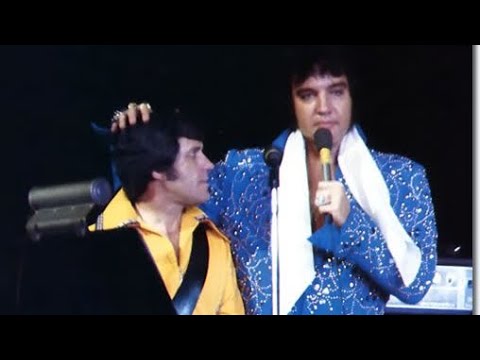
While others drifted away from Graceland, moved to Los Angeles, or sought opportunities elsewhere, Charlie remained steadfast. He never wavered in his loyalty, always defending Elvis and refraining from speaking ill of those around him. He embodied the ethos that Elvis held dear, a combination of integrity, discretion, and genuine care for friends and family. Through countless anecdotes, Charlie’s devotion shone brightly. Whether it was calming nerves before a show, helping Elvis recover from illness, or simply providing companionship during long tours, he was always there.
One story from Charlie’s recollections encapsulates the depth of their bond. He once took Elvis for a drive without revealing the destination. The journey was quiet at first, allowing Elvis a rare moment of reflection away from the pressures of fame. After some time, Elvis realized that Charlie had brought him to the hospital—an act of protection and care that no one else dared to perform. This gesture reflected the intimate understanding Charlie had of Elvis’s needs: not just as a performer, but as a man navigating immense personal and professional pressures.
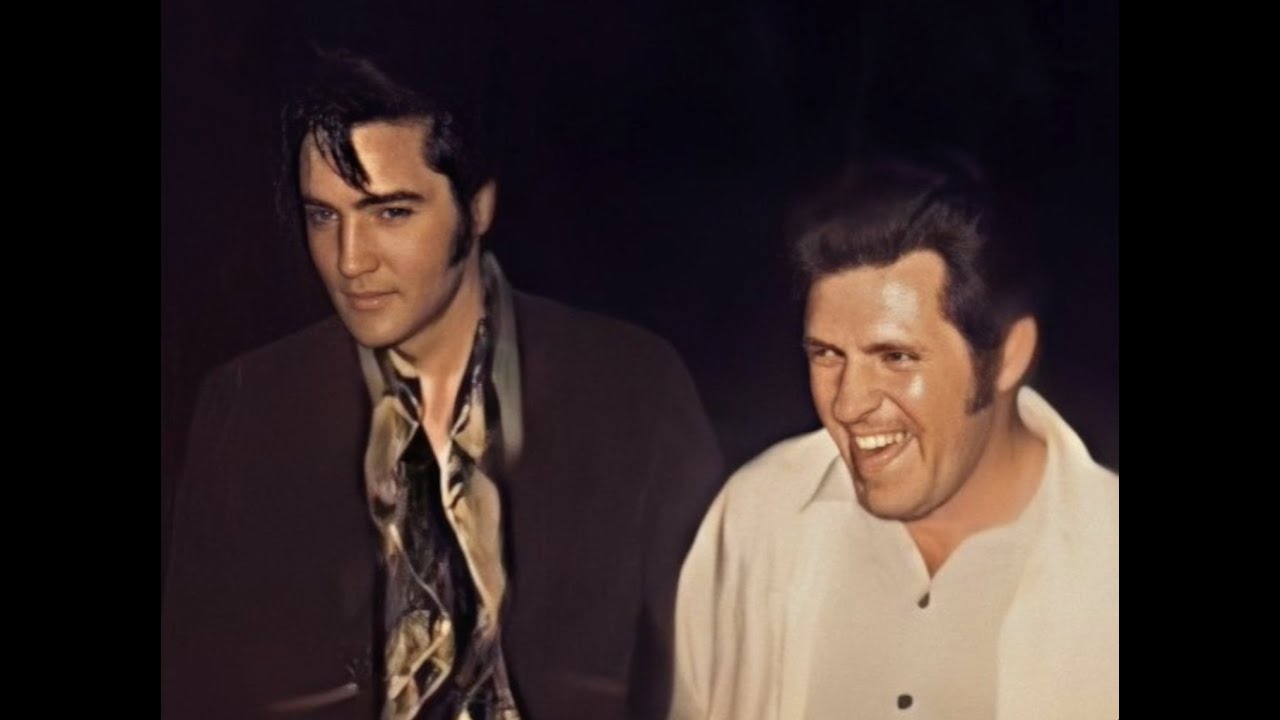
Many people claimed to be Elvis’s best friend, but Charlie’s loyalty was different. It was not performative, nor was it conditional upon proximity to fame. Charlie understood Elvis’s vulnerabilities, his eccentricities, and the pressures of his extraordinary life. In return, Elvis trusted him in ways he trusted very few others. Their relationship was a rare blend of professional collaboration and deep personal friendship, one that endured years of tours, public scrutiny, and personal challenges.
Charlie also played a vital role in helping fans see Elvis as more than a superstar. Through interviews, anecdotes, and his own memoirs, he illuminated the man behind the myth. He shared stories of Elvis’s kindness, generosity, and humor, as well as his moments of doubt and sorrow. Charlie’s insights have been invaluable in painting a complete picture of Elvis—not just the King of Rock ‘n’ Roll, but a human being with fears, hopes, and profound love for those close to him.
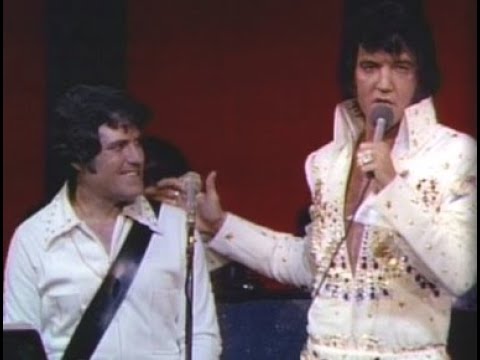
Their connection was evident in every performance and private moment. Charlie’s musical abilities allowed him to complement Elvis on stage seamlessly, while his emotional intelligence provided the support that helped Elvis thrive offstage. He was a stabilizing force during chaotic tours, a trusted confidant during personal crises, and a constant presence in a life that was often turbulent and overwhelming. Through all of this, Charlie never sought the limelight for himself. His satisfaction came from ensuring Elvis could shine, from being part of something greater than personal fame.
In his book, Elvis Aaron Presley: The Man, The Truth, Charlie recounts countless memories that showcase the depth of his devotion. From quiet acts of kindness to dramatic interventions, he was always there, often unnoticed by the public but absolutely critical in maintaining the life and career of one of the world’s most beloved entertainers. He was the silent guardian, the steady hand, the friend who knew that sometimes love meant stepping back, observing, and acting precisely when needed.
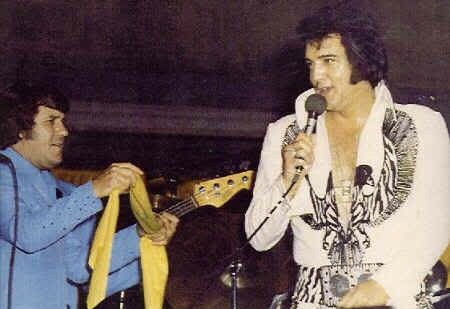
Charlie Hodge’s story reminds us that behind every legend, there are often unsung heroes whose dedication and love make greatness possible. While Elvis Presley will forever be remembered as an unparalleled artist, performer, and cultural icon, it was people like Charlie—loyal, caring, and devoted—who ensured that the King could face the world, perform at his best, and navigate the complexities of life in the spotlight.
In the end, Elvis once said it himself: “Every king needs a court jester, and you’re mine.” But Charlie Hodge was far more than a jester. He was a protector, a confidant, and perhaps the truest friend Elvis ever had. Through laughter, tears, and decades of shared experiences, Charlie’s love and loyalty helped shape the man behind the crown. He was, in every sense, indispensable—not just to Elvis’s career, but to his life.
The bond between Elvis Presley and Charlie Hodge stands as a testament to the power of friendship, loyalty, and love. It reminds us that behind every icon, there are those who support, protect, and love them unconditionally. Charlie Hodge may have been a background figure on stage, but in Elvis’s life, he was central—a quiet force that ensured the King could be both human and legendary.
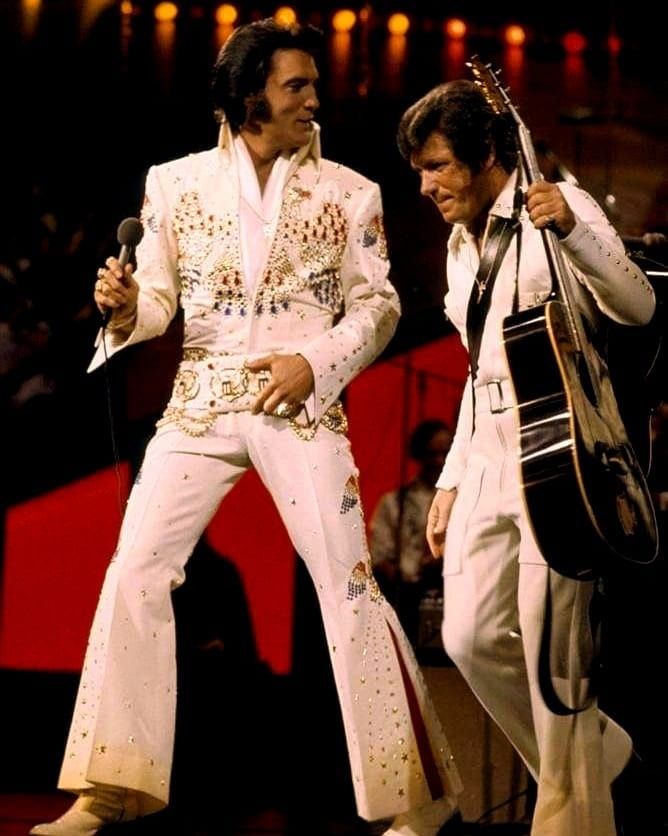
Even today, when fans reflect on Elvis’s life, music, and enduring influence, the story of Charlie Hodge shines as a reminder that true friendship can leave as lasting a legacy as talent or fame. Charlie was not just part of Elvis’s entourage—he was part of Elvis’s heart, a guardian whose devotion helped the King navigate the dizzying heights of celebrity while remaining, at his core, the man who sang, laughed, and loved with all he had.
In the tapestry of Elvis Presley’s life, Charlie Hodge’s thread is woven through every note, every laugh, and every quiet moment behind the scenes—a testament to the love and loyalty that made the legend not just possible, but human.
Elvis Presley: The Quiet Farewell of a King
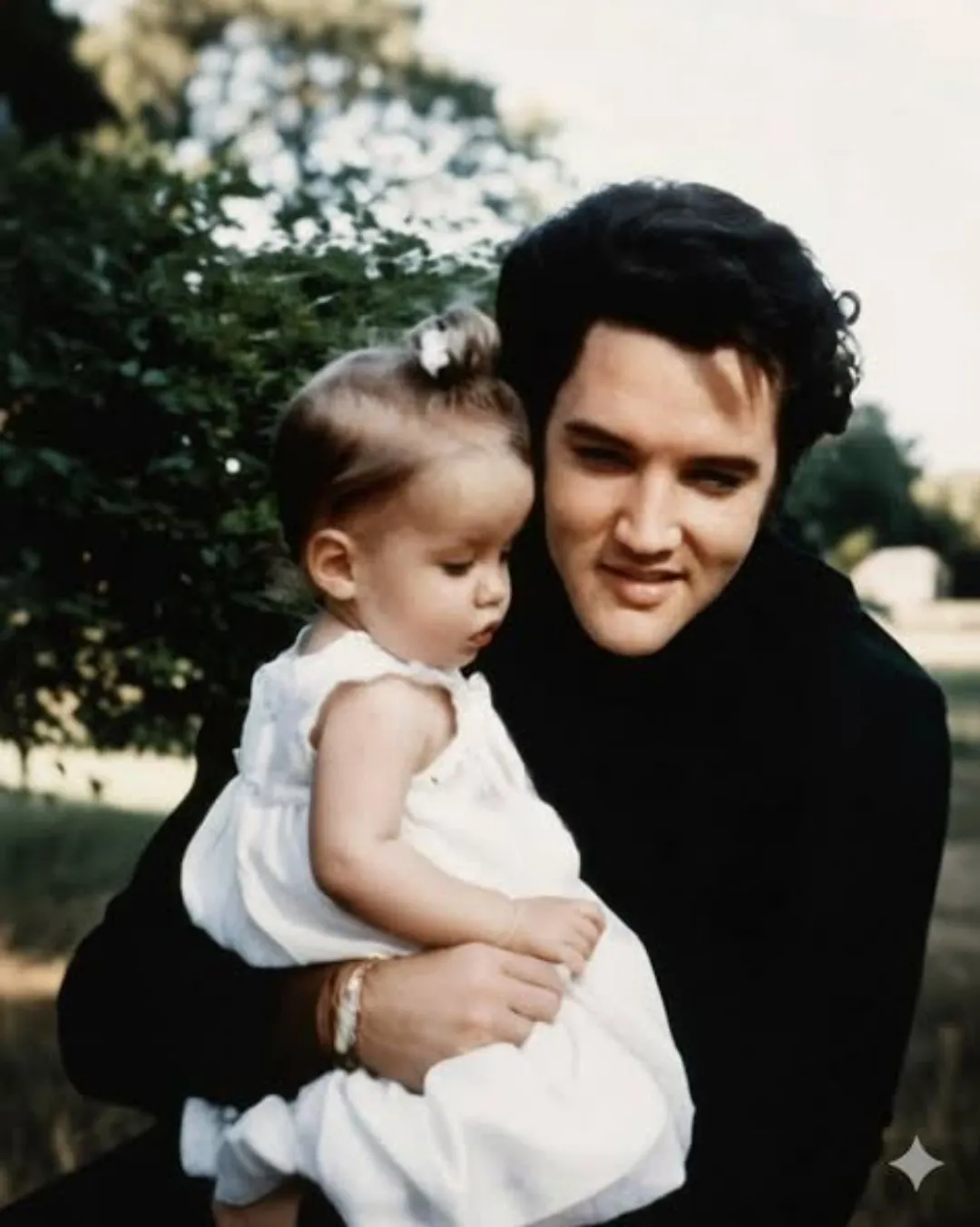
When Elvis Presley left this world on the morning of August 16, 1977, the moment was as quiet as a whisper — heartbreaking, yet profoundly human. He was found in his Graceland bathroom, a book still resting gently in his hand, as if he had paused mid-thought, mid-breath, mid-life. For a man whose voice once shook stadiums, whose presence electrified the air and stirred souls, his departure was tender, private, and almost painfully ordinary.
Few could have imagined the weight he carried behind the glittering persona. Elvis, the King of Rock ’n’ Roll, seemed larger than life, invincible even. But beneath the rhinestones, the jumpsuits, the dazzling performances, lived a man battling relentless pain. Genetics had placed a heavy burden on him — heart problems that had already claimed the lives of his mother and uncles haunted him. And medical treatments, though meant to heal, brought severe side effects. Constipation, a simple yet brutal affliction, tormented him daily, stealing comfort and peace. That morning, alone, seeking relief, his weary heart simply could not go on. In that quiet instant, the world lost its brightest star.
It is almost unimaginable: the man who could command stadiums with a smile, a glance, or a note, leaving life in such a humble, vulnerable way. Yet this truth does not diminish his legend — it humanizes it. Elvis read at night, seeking calm, holding books as if they could offer answers to questions he rarely voiced. Behind the charm, the hip-shaking moves, the magnetic energy, he bore a quiet storm. Pressures of fame, health, and expectation shaped a life far more complicated than the public ever saw.
He did not take his final breath under the spotlight’s glow. No cameras, no fans, no screaming crowd witnessed the end of his story. He left surrounded by stillness, with a book in hand and a heart worn from giving too much. In that final moment, he was not the King. He was Elvis Aaron Presley from Tupelo — a man with dreams, regrets, love, and tenderness; a man who had given every ounce of himself to a world that adored him.
Elvis’s life was not just about music. It was about love, family, and heart. He was a devoted son, a loving father, a loyal friend, and a man who embraced kindness in ways that went far beyond the stage. His generosity was legendary — from quietly helping children in need to giving gifts without expectation or recognition, his acts of compassion often went unseen, unnoticed, yet they defined him as much as his music did. Behind the sequins and the fame was a soul that cared deeply, a heart that felt profoundly, and a spirit that sought to leave the world a little better than he found it.
Even in his final years, as fame and fortune surrounded him, Elvis faced the fragility of mortality head-on. His body struggled under the weight of ailments, his heart strained with genetic vulnerability, his spirit wrestled with pressures the public could never understand. Yet, he continued to perform, to create, to share pieces of himself with millions. Every note sung, every song recorded, every show given — it was not merely performance. It was a dialogue, an offering, a connection with people who found hope, joy, and catharsis in his music.
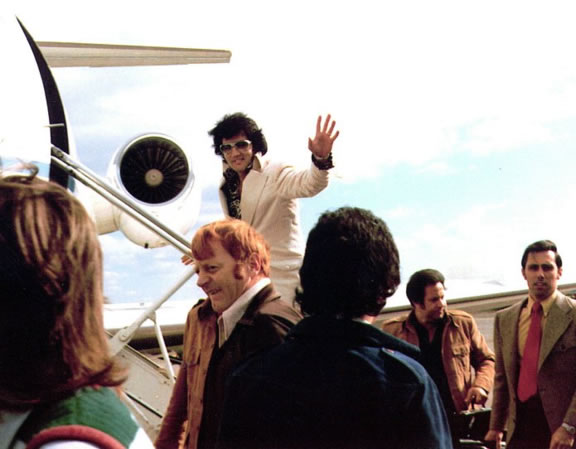
And so, his final moments are striking not for drama, but for their intimacy. A man who had captivated millions, who had turned concert halls into temples of sound, who had become a cultural icon, left the world quietly, tenderly, without spectacle. He reminds us that no amount of fame can shield us from the human condition — the quiet vulnerabilities, the private pains, and the longing for peace that every person carries.
Yet, in that quiet exit lies the brilliance of his legacy. Elvis’s life was a testament to courage and devotion. He gave the world music that transcended boundaries, touched hearts, and inspired generations. He gave love in ways that were both public and private, loud and subtle. His presence radiated warmth, his laughter brought joy, and his kindness often arrived unheralded, leaving only gratitude in its wake.
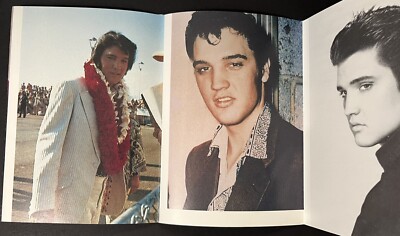
His departure was sad. It marked the end of a life that had been larger than the average human experience. But even as the world mourned, the beauty of his existence remained. Elvis lived fully — with generosity, creativity, vulnerability, and brilliance. He loved fiercely, performed passionately, and left an indelible mark that continues to shine decades later.
There is a lesson in the way Elvis left the world. It is a reminder that greatness is not only measured by achievements, records, or public accolades. True greatness is measured by the human heart: the capacity to care, to give, to empathize, and to leave a legacy that touches lives beyond the applause. Elvis’s quiet farewell is a mirror of this principle. In his final moment, alone yet at peace, he embodied a truth that words and music can only hint at: that love, courage, and tenderness endure longer than fame ever can.
His book remained in his hand, a symbol of the inner life he carried alongside the outer legend. He sought wisdom, escape, or simply a private companion in the pages — a reminder that even the brightest stars need moments of stillness. In his life and in his passing, Elvis Presley showed that vulnerability is not weakness, that quiet moments carry immense weight, and that the human spirit can leave echoes far beyond what the eye can see.
And so, while the world remembers the jumpsuits, the music, and the unforgettable stage presence, there is also a story of quiet humanity that endures. Elvis’s life teaches us that even the most dazzling among us are human, that compassion matters as much as talent, and that legacy is found not only in the loudest moments, but also in the quiet, tender acts of love and generosity.
He left us quietly. No fanfare. No cameras. No spotlight.
But the love he gave, the joy he shared, and the humanity he embodied…
That still sings louder than ever. 💙🎶