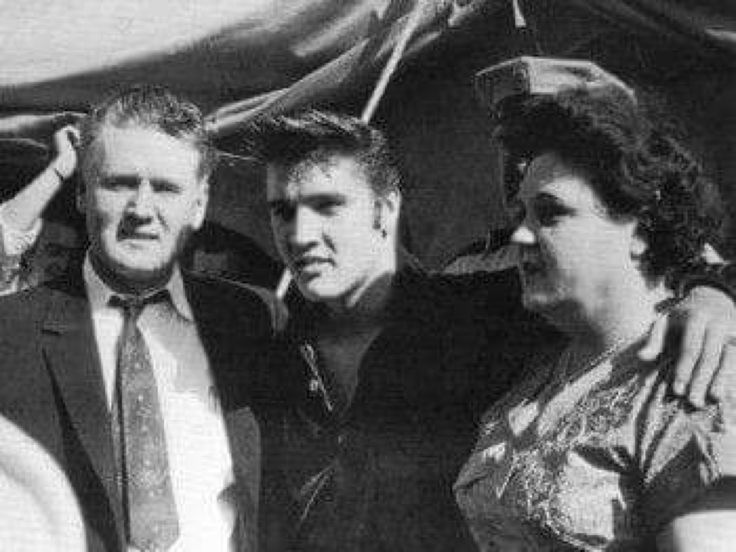
Al Strada – The Quiet Guardian of Graceland
In the grand mythology of Elvis Presley’s life, certain names rise to the surface again and again—Sonny West, Red West, Jerry Schilling, Joe Esposito, Charlie Hodge. These were the men who shaped the public idea of the Memphis Mafia: loud, young, loyal, occasionally wild, always close to the King. Yet behind that circle of strong personalities stood a quieter figure, a man whose loyalty never needed to be announced, whose presence rarely demanded the spotlight. His name was Al Strada—and though his voice was soft, his role in Elvis’s world was deeply important.
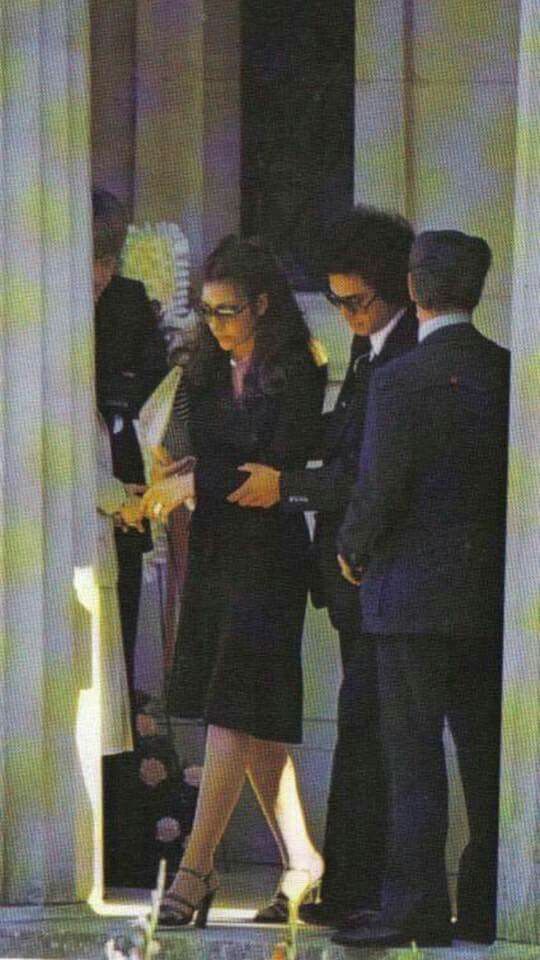
Al did not enter Elvis’s orbit in the explosive early years, when rock and roll was still rewriting the rules of American culture. Instead, he joined in the early 1970s, a time when Elvis was older, more complex, and facing a life that had grown increasingly demanding. By then, Graceland was no longer just a home; it was a fortress, a headquarters, a place that needed constant watching. Tours were becoming longer, health struggles were beginning to cast shadows, and the pressures of fame had never been heavier.
Into that world stepped Al Strada—calm, steady, and unshakably loyal.
A Presence Defined by Quiet Strength
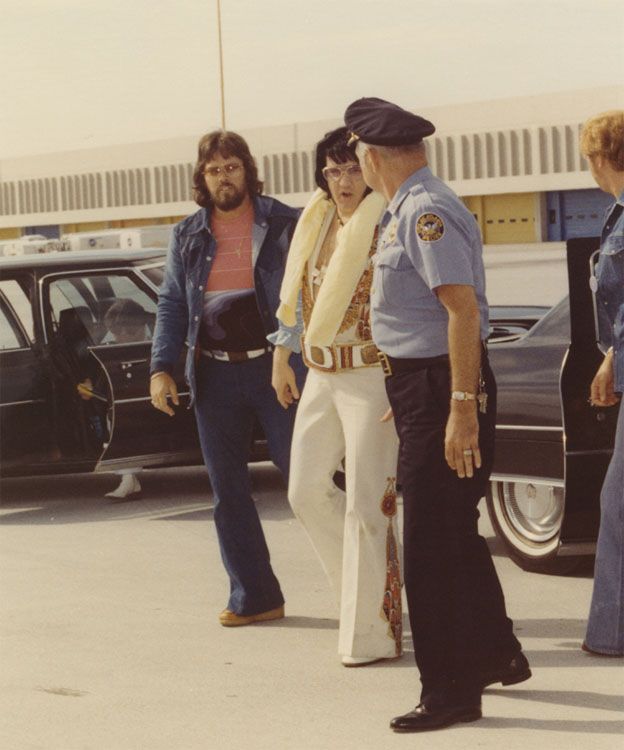
While some members of the Memphis Mafia were known for their humor, energy, or flamboyance, Al’s reputation was built on something simpler: reliability. Elvis valued loyalty above almost anything else, and in Al he found a man who didn’t seek attention, didn’t engage in drama, and never wavered when things became chaotic.
Al worked primarily in security, day-to-day operations, travel coordination, and personal errands. There was nothing glamorous about his tasks—he wasn’t the one joking loudly backstage or rushing across the stage to hand Elvis water mid-show. But he was the guy who made sure luggage arrived where it needed to be, who ensured the cars were ready when Elvis wanted to leave, who kept the crowds at bay when they grew too eager, and who maintained a constant, controlled presence around a man who was constantly surrounded by unpredictable energy.
He wasn’t the flashiest member of the group, but among those who worked closely with Elvis, he was known as a pillar—soft-spoken, inward, and mature, the kind of person whose value becomes most visible when things begin to fall apart.
The Night Everything Changed
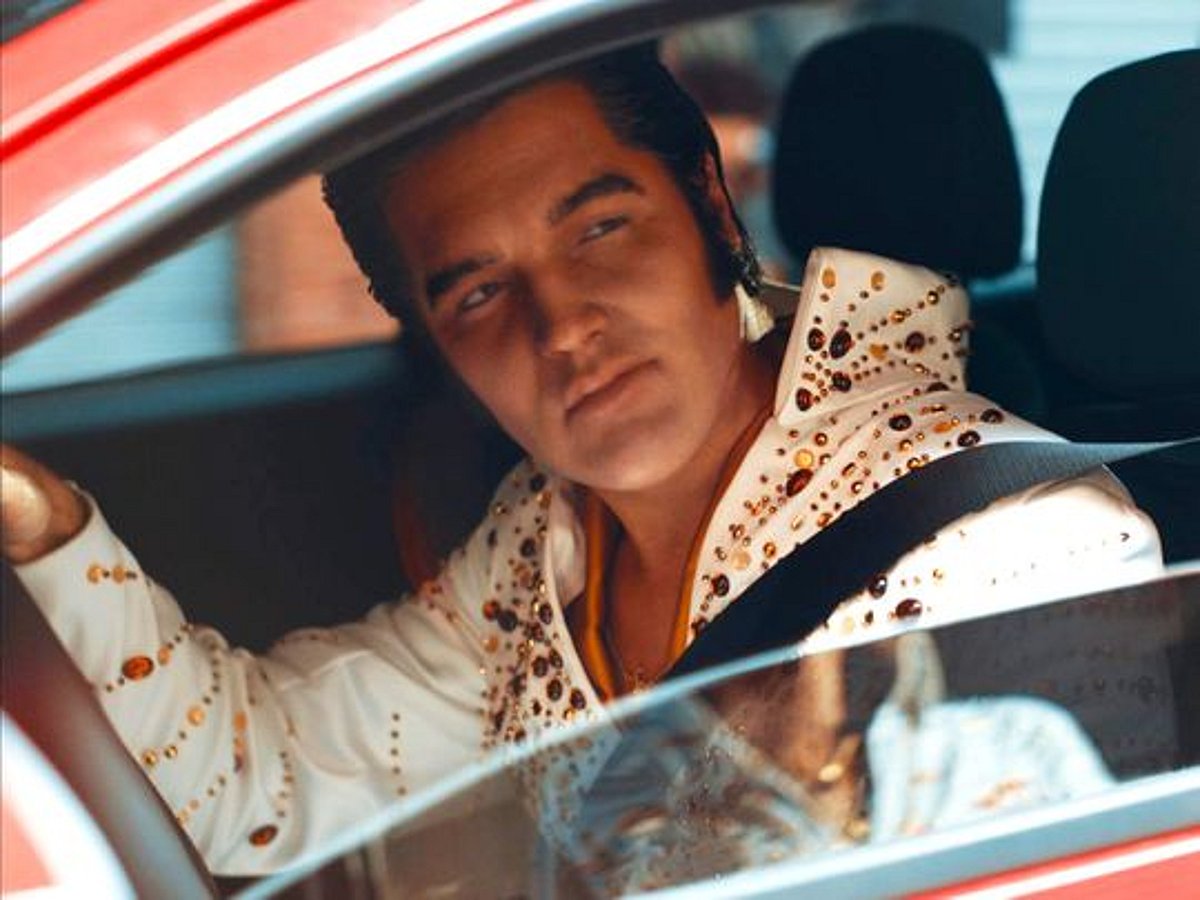
The events of August 16, 1977 are among the most written-about moments in music history, but behind the official reports and public statements lies a quieter, more human story—one that includes Al Strada at its center.
That afternoon, when the unimaginable happened inside Graceland, Al was among the first people called upstairs. Those chaotic minutes inside Elvis’s private suite remain painful and deeply personal for everyone who was there, but what is known is that Al helped however he could—moving swiftly, supporting the medical efforts, and providing the stability and presence he had always been known for.
In the aftermath, the Presley inner circle was shattered with grief. Vernon Presley, Elvis’s father, was devastated beyond words. It was a time when the world was watching Graceland, crowds gathering at the gates, reporters descending, emotions running high, and chaos threatening to overwhelm an already heartbroken household.
And in the middle of all that stood Al Strada—quiet, steady, loyal as ever.
A Protector After the King Was Gone
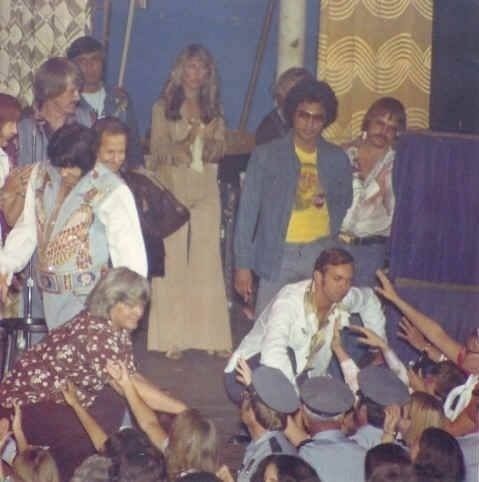
Many members of the Memphis Mafia drifted away after Elvis’s passing, their roles tied to the man, not the property or his legacy. But Al Strada wasn’t just there for Elvis—he was there for the Presley family. In the days following the tragedy, he stayed close to Vernon, helping him with security, crowd control, and the difficult tasks of managing the house during a moment of unbearable grief.
He worked to ensure that Elvis’s privacy—so precious during his lifetime—remained protected after his death. With thousands of fans outside the gates and pressure from the media at its peak, the need for calm, trustworthy people inside Graceland became more important than ever. Al Strada stepped into that responsibility with the same quiet dedication he had always shown.
And he didn’t walk away once the funeral ended.
For years afterward, Al remained in Graceland’s service, helping keep the property running and preserving the environment Elvis had cherished. While some former associates became public voices—writing books, giving interviews, sharing memories—Al stayed private. He rarely spoke about Elvis, rarely stepped into the spotlight, rarely tried to turn his time with the King into a public identity.
Instead, he honored Elvis in the way he always had: by protecting his home, his legacy, and the family he left behind.
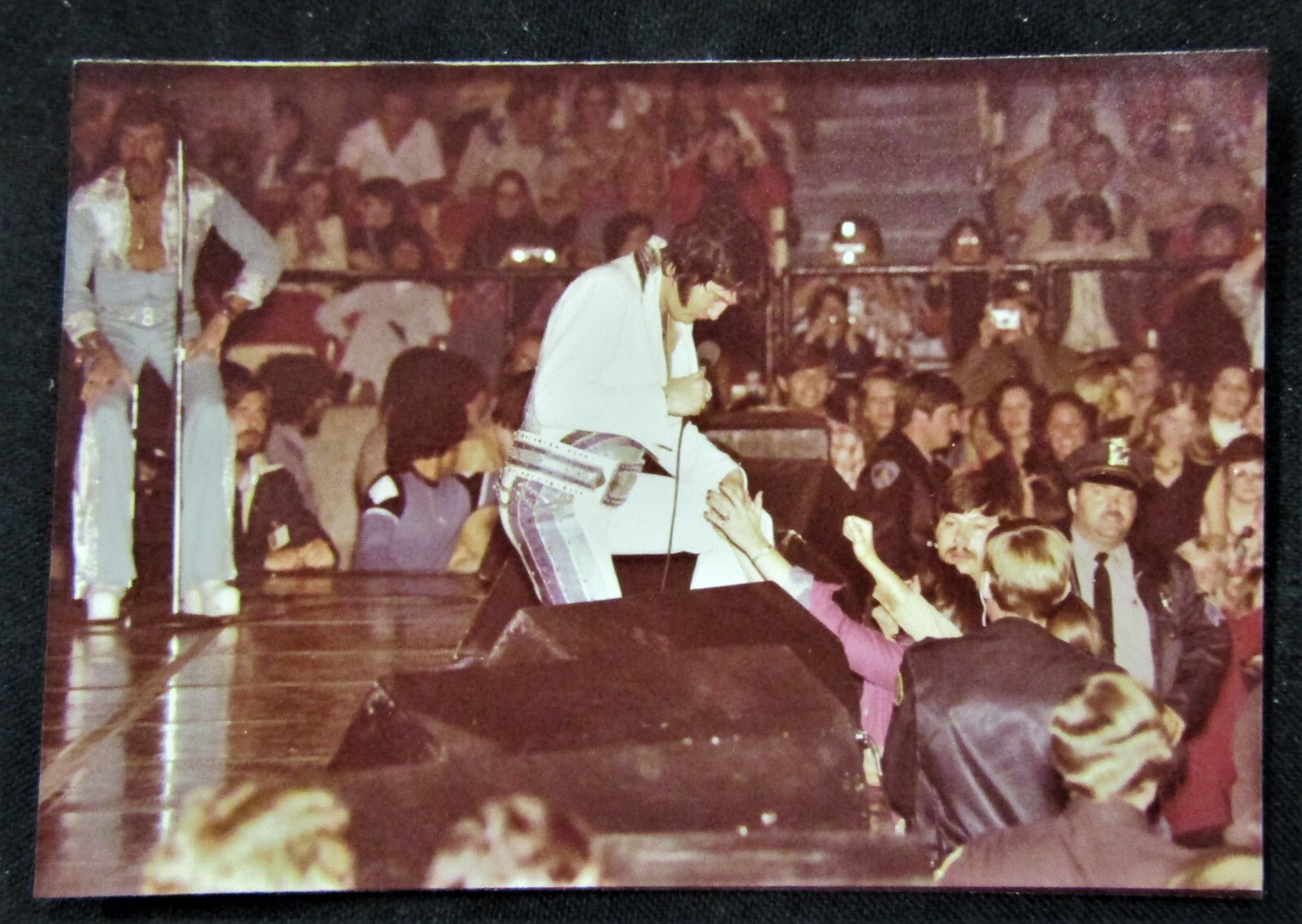
The Unsung Hero of the Presley Story
The Memphis Mafia, as a whole, is one of the most fascinating groups in entertainment history—a brotherhood shaped by youth, luck, loyalty, and fame. But within that group were men whose contributions weren’t flashy or theatrical. Al Strada belonged to this quieter category. He never pushed himself to the front, never demanded attention, never tried to rewrite the story in his favor.
And yet, his role was indispensable.
He was the steady presence when Elvis needed calm.
He was the trusted guardian during the most chaotic moments.
He was the man Vernon Presley leaned on when the world felt like it was falling apart.
He was the caretaker of a home that millions would one day visit.
For fans of Elvis who study the history of Graceland and the lives of the men who surrounded him, Al Strada stands out as a reminder that loyalty often speaks loudest in silence.
A Legacy of Quiet Loyalty
Al Strada may never be as famous as the other men in Elvis’s world, but fame was never his purpose. His legacy is built not on spotlight moments but on thousands of private acts of responsibility and devotion. In a world where celebrity and attention often overshadow quiet service, Al represents a different kind of hero—the kind who keeps things together when no one else is watching.
He was, and remains, one of the quiet guardians of Graceland. And for those who love Elvis, that role is no small thing.
The Humble Beginnings of the Presley Family: A Love Story Shaped by Hardship, Hope, and the Dream of Home
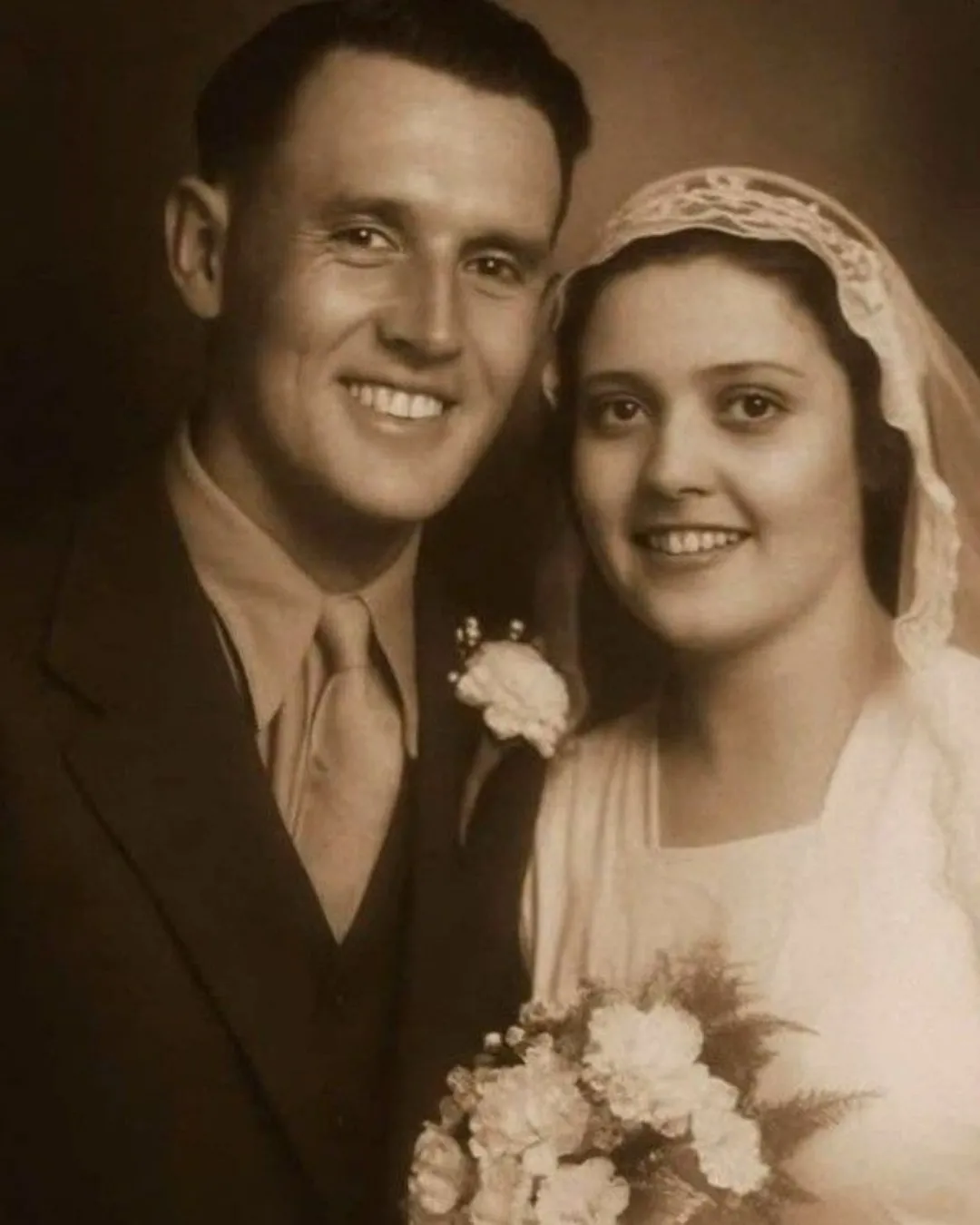
Long before the world knew the name Elvis Presley — before the gold records, the screaming crowds, or the lightning rise of a boy from Tupelo — there was a young couple whose love and determination shaped the foundation of everything he would become. Their story began not with glamour or abundance, but with the grit and intimacy of small-town life during America’s toughest years: the Great Depression.
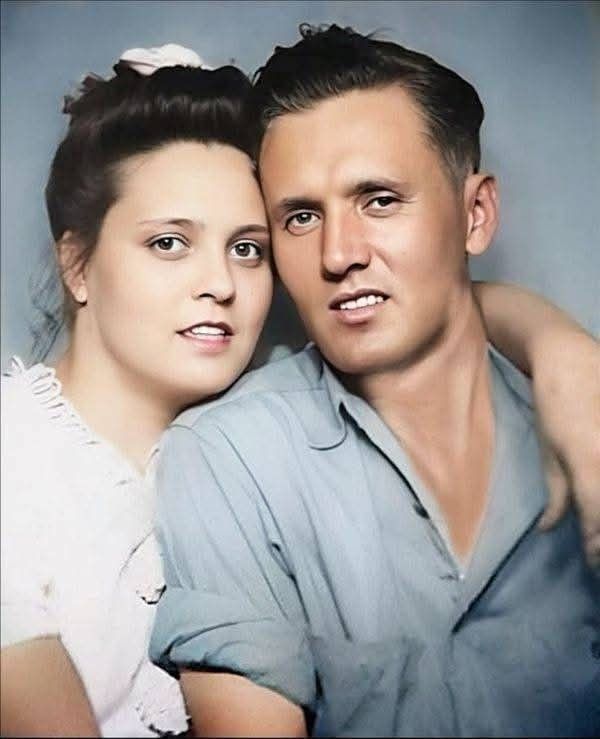
Vernon Presley, who liked to joke that he “was raised on a cotton patch,” was only seventeen when he met twenty-two-year-old Gladys Smith. Age mattered little to them. What bound them together was something deeper — a shared sense of loneliness, struggle, and longing for a better life. Within just a couple of months of knowing each other, they eloped, running off to the next county to get married in 1933. They lied on their marriage license, making Vernon older and Gladys younger, not out of deceit, but out of necessity. Life was hard; survival meant bending rules.
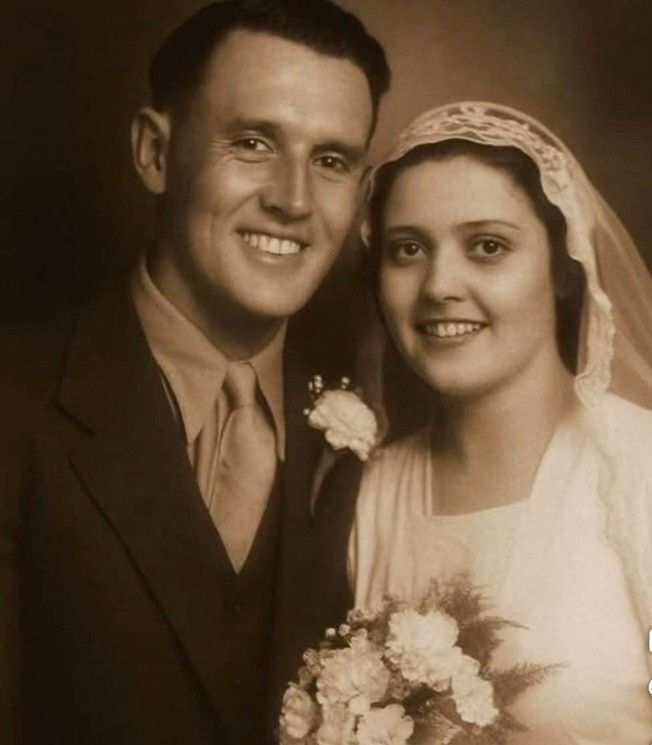
At the time, Gladys worked long hours at the Tupelo Garment Center, earning just two dollars a day at a sewing machine. Vernon took whatever work he could find — laboring in fields, doing odd jobs, anything that offered a few dollars. But the Depression had crushed opportunities, and steady jobs were nearly impossible to come by. Yet in the midst of uncertainty, they found comfort in each other.
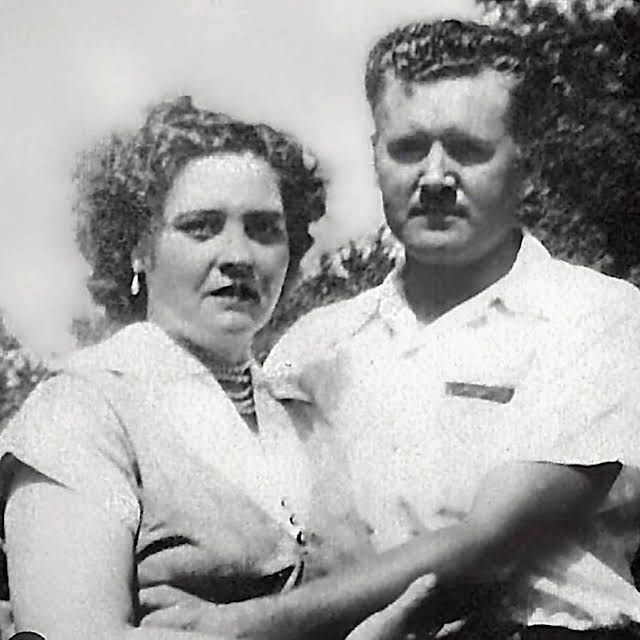
After they married, Vernon and Gladys moved in briefly with Vernon’s parents. But living with extended family was cramped and offered little privacy. They dreamed of something more — a place that was theirs alone. With little more than determination, Vernon borrowed $180 from a local money-lender named Orville Bean. The loan was small by today’s standards, but in 1933, it was daunting. Still, it was enough to buy materials for a tiny house on an empty lot next to Vernon’s parents.
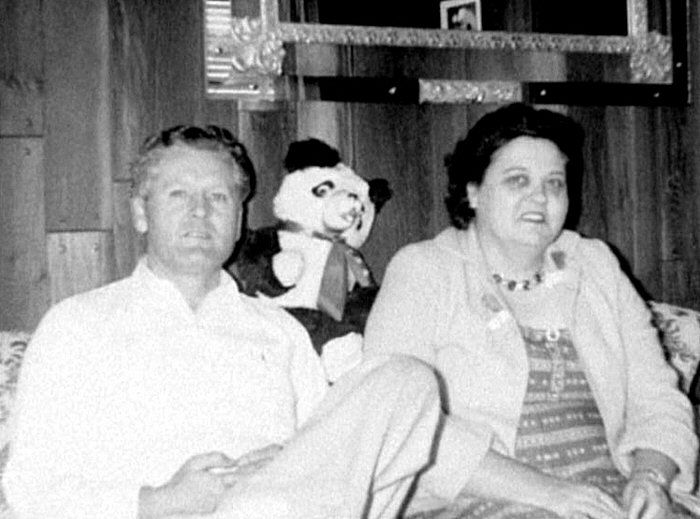
Vernon had worked as a carpenter here and there, so he decided to build the house himself. With the help of his father and brother, the young man constructed a simple two-room home. The structure had no ceiling, no separate kitchen, and the toilet stood outside. Gladys carried water from a communal pump down the road, storing it in a two-gallon tank. Neighbors might have said it wasn’t much — but for Vernon and Gladys, it was everything.
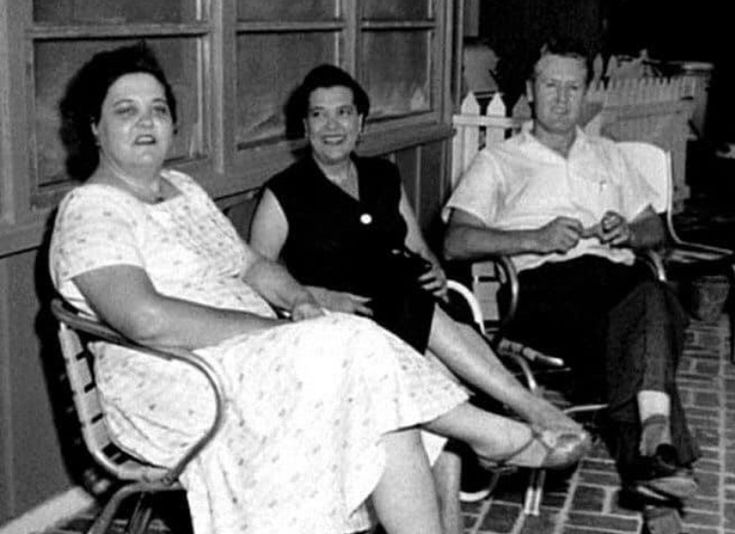
And to Gladys especially, that little shotgun house was a dream made real.
She would later tell her young son, Elvis, how proud she had been the day they moved in. In those years, many families had nothing. Few owned homes; fewer still had the luxury of a space they could call their own. The Presleys had chickens in the yard, a porch where they would sit in the summer evenings, and each other. When Gladys became pregnant, she and Vernon would rock gently on that porch, talking about names, hopes, and the future they imagined for their baby. They pictured the life their child might have — a life better than theirs.
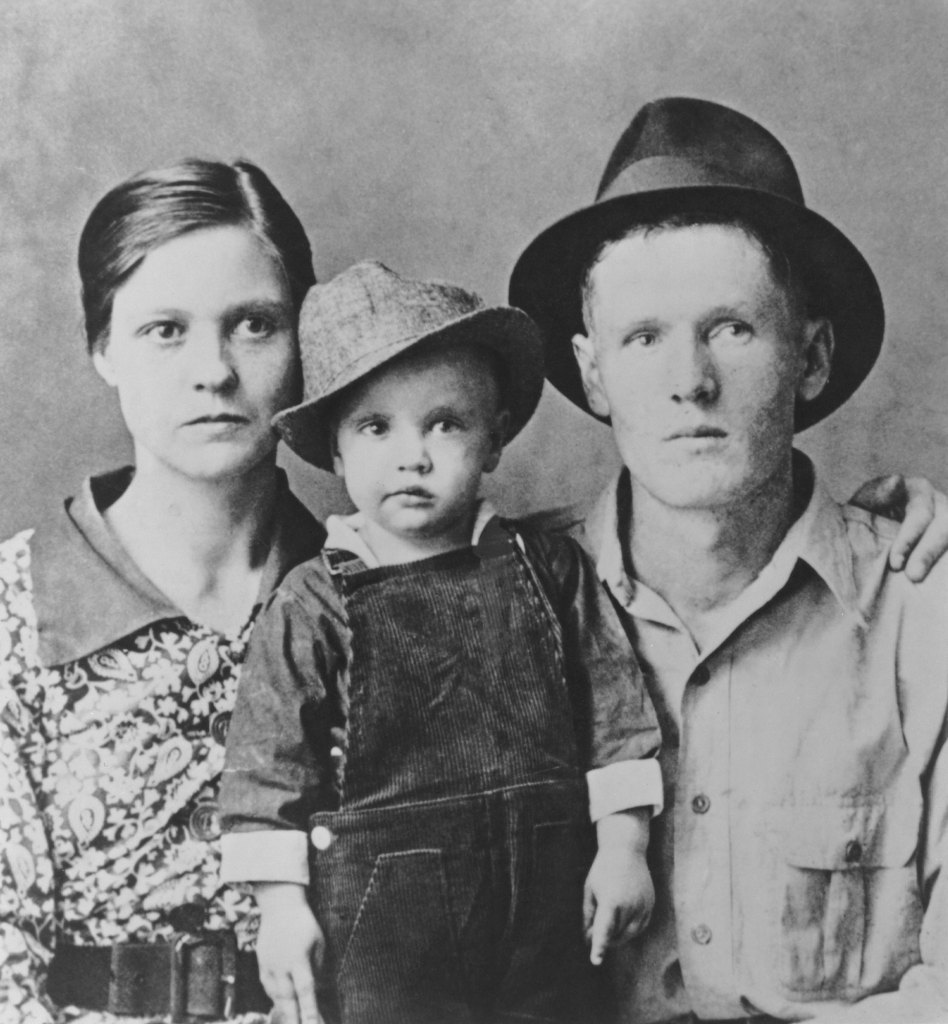
But life had more heartbreak in store than either of them could have foreseen.
On January 8, 1935, Gladys gave birth to twin boys. The first, Jesse Garon, was stillborn. His loss devastated the young couple. The second twin, Elvis Aaron, arrived alive but fragile, small, and quiet. In their grief, they clung to him with fierce intensity. Gladys would often say that after Jesse’s death, Elvis became her entire world — her only plan, her greatest hope.
The tiny house that Vernon built became the cradle of the Presley story. Elvis would grow up hearing his mother reminisce about those early days — how she and Vernon had almost nothing but love, how they laughed, struggled, and dreamed on that porch. For young Elvis, these stories weren’t just family memories; they were lessons of resilience, sacrifice, and devotion.
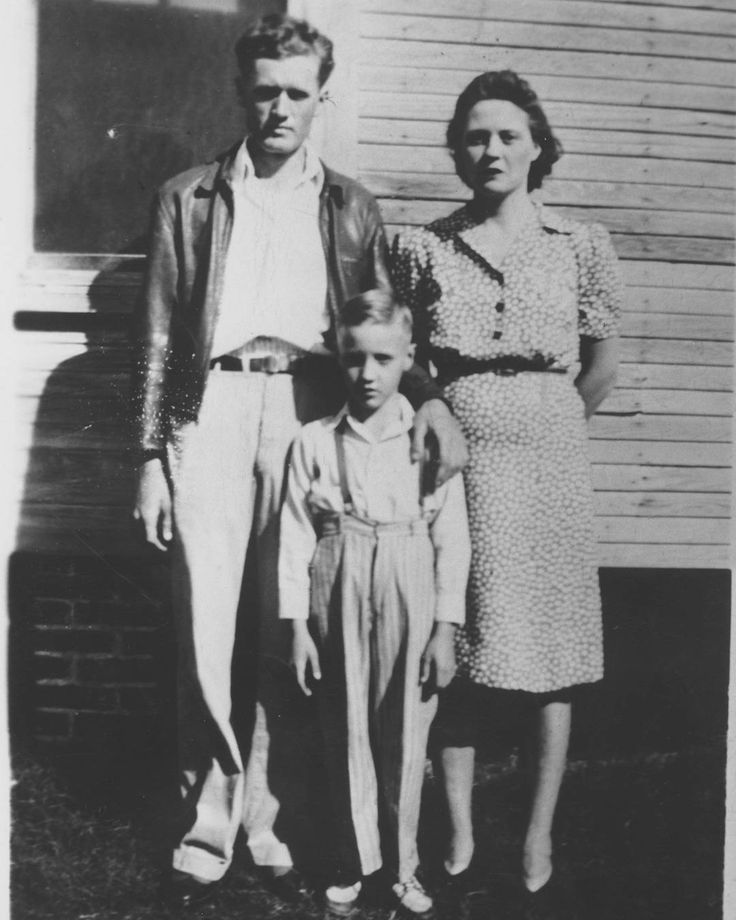
Gladys often reminded her son that she and Vernon had started with very little. There were no luxuries, no savings, no guarantees. But what they lacked in comfort, they made up for in warmth. She told Elvis how she had been proud of that humble home — proud that she and Vernon had built something together. That sense of pride, of gratitude, shaped Elvis deeply. It stayed with him long after fame arrived, grounding him in humility and reminding him of where he came from.
As Elvis grew, the bond between mother and son only strengthened. He felt her love in every story she told about those early years — how her dreams for him were born on that porch, how she carried water, cooked simple meals, and held their tiny family together with determination. Even when the world would later see Elvis as The King of Rock & Roll, he always saw himself as Gladys’s son, shaped by the struggles and sacrifices of two young parents who did the best they could with almost nothing.
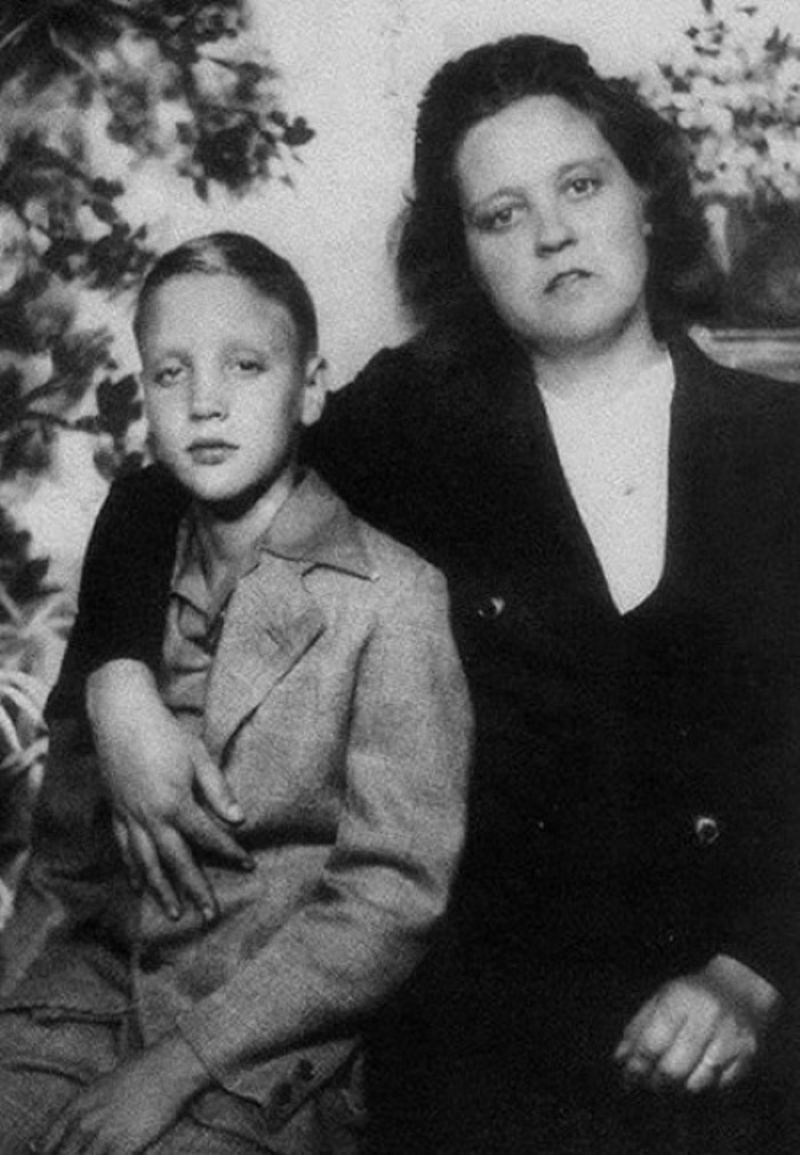
The Presley home may have been small, but it held the beginnings of one of the most extraordinary lives of the 20th century. It held laughter, sorrow, hope, and the love of two people who believed — despite every hardship — that brighter days were waiting.
And perhaps that is why Elvis carried his mother’s memory so close to his heart throughout his life. Because everything — every triumph, every song, every step — began in that simple two-room house, built by a 17-year-old boy in love and held together by the quiet strength of a woman who never stopped believing.
From that tiny home in Tupelo, a legend was born.