
Lights, Camera, Elvis – The King Steps onto the Silver Screen
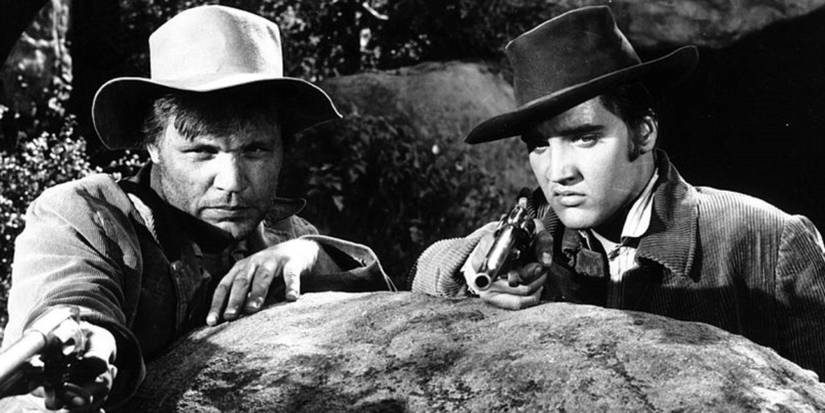
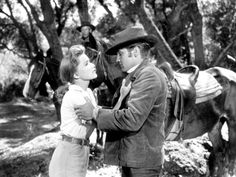
On November 15, 1956, American cinema witnessed the beginning of a new era as Elvis Presley, already the explosive King of Rock ’n’ Roll, made his feature film debut in the musical Western Love Me Tender. For months leading up to its release, anticipation buzzed across the nation. Fans who had memorized every note of “Heartbreak Hotel” and “Hound Dog” were eager to see whether Elvis’s electrifying stage presence could translate to the silver screen. What they received was not just a performance—it was the birth of a Hollywood icon.
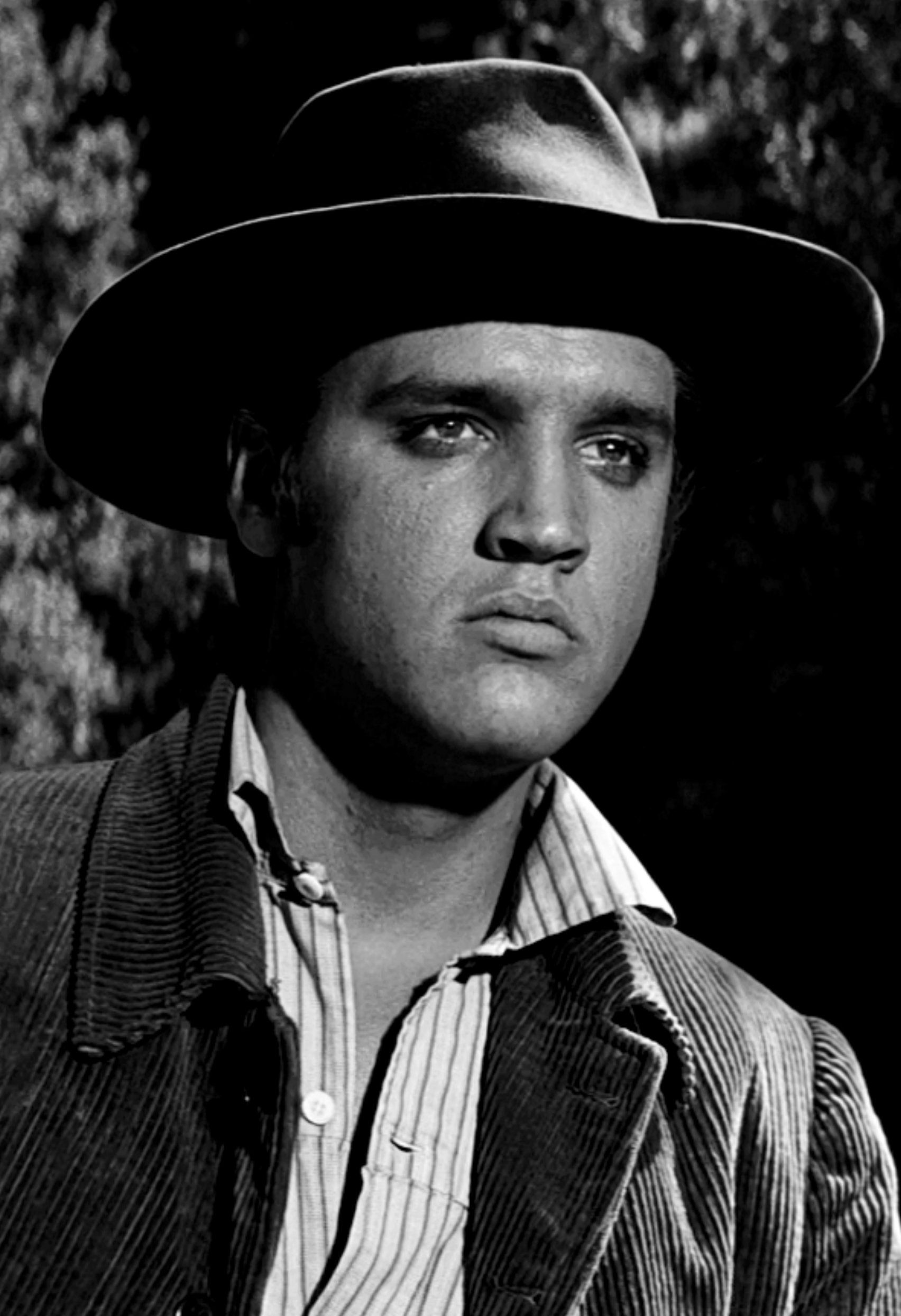
The film Elvis stepped into was originally titled The Reno Brothers, a Western drama based loosely on historical events. Had it remained that way, it might have been remembered as a typical 1950s studio production—solid, traditional, reliable. But Elvis Presley was anything but typical. When he recorded the tender ballad “Love Me Tender”, the song’s early success was so massive that the studio immediately changed the movie’s title to match it. This strategic decision revealed something important: Elvis’s presence was powerful enough not only to shape popular culture but to reshape the marketing of a major motion picture.
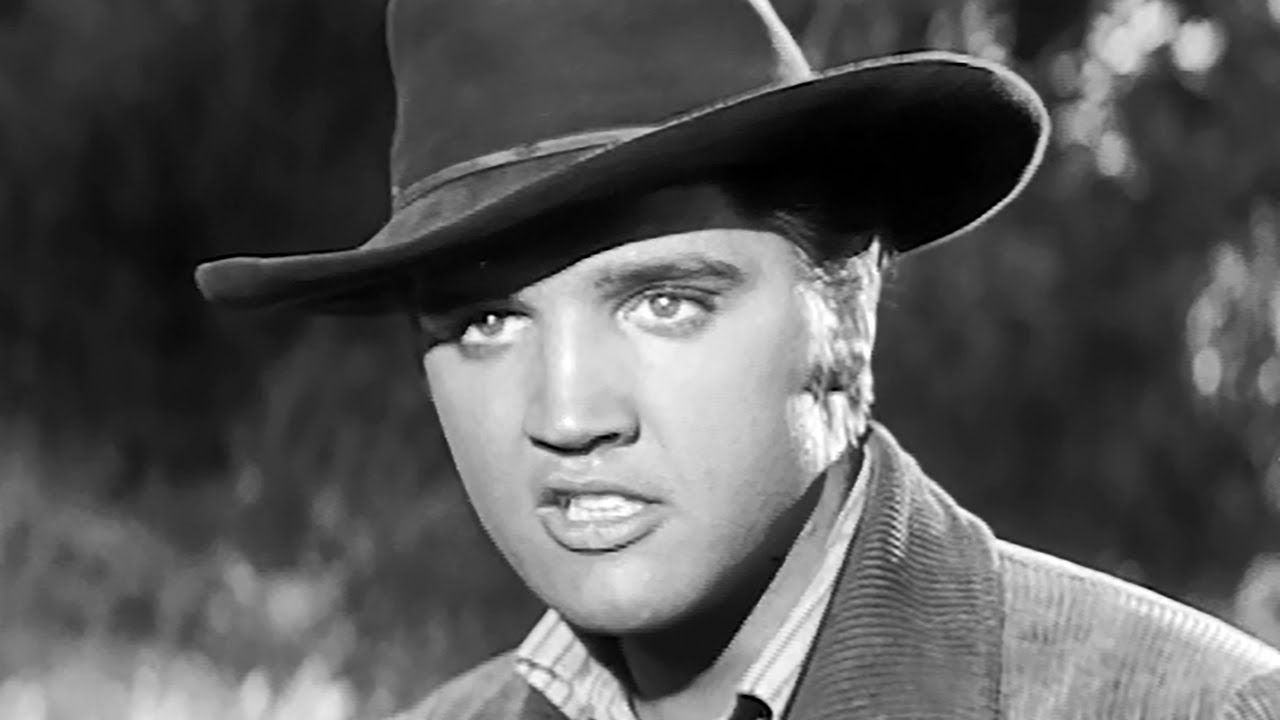
When Elvis appeared on screen, something shifted. Though he played a supporting role as Clint Reno, the younger brother overshadowed by a Civil War hero, the camera naturally gravitated toward him. His movements were gentler than his stage antics, his expressions softer, yet the magnetism remained unmistakable. Fans who were used to seeing him whip audiences into a frenzy now saw a different side of him—a quiet vulnerability that proved he was capable of more than musical spectacle. Even in this first performance, Elvis demonstrated that he understood something essential about film acting: intimacy.
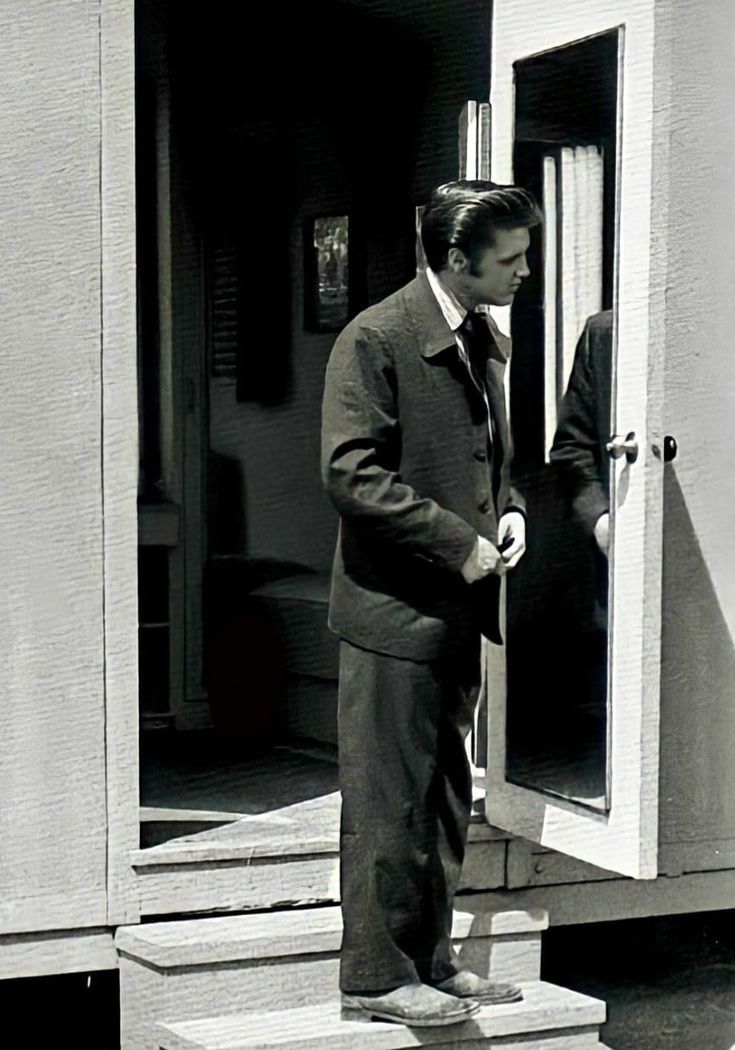
Despite mixed reviews from critics—many of whom were unsure how to treat the phenomenon of Elvis—audiences were captivated. Crowds lined up outside theaters, and some screenings erupted with screams reminiscent of his live concerts. People weren’t simply watching a movie; they were witnessing Elvis Presley expand his kingdom. The film went on to become a commercial success, establishing a clear signal to Hollywood that Elvis wasn’t just dabbling in movies—he was a bankable star.
But Love Me Tender was more than a debut. It was a declaration. At the time, Elvis was already reinventing American music, breaking racial and cultural boundaries with his fusion of blues, gospel, and country. His entry into Hollywood symbolized the next stage of his career: an empire that would grow beyond recordings and concerts. Elvis understood that movies offered something the stage could not—permanence. A film could freeze a moment in time, preserve an expression, and carry his image to millions who might never see him in person.

What made this transition even more remarkable was Elvis’s humility through the process. Though he was a global sensation, he approached acting with seriousness and respect. Co-stars later recalled how he asked questions, took direction earnestly, and made genuine efforts to improve his craft. He never walked onto a set assuming that fame alone was enough. Instead, he treated acting as another form of storytelling—another way to reach people’s hearts.
The impact of Elvis’s film debut extended far beyond 1956. Love Me Tender opened the door to a Hollywood journey that would span more than a decade and include 31 feature films. While some would argue that many of his later films lacked the artistic ambition he initially hoped for, they all served a crucial role: they brought Elvis to global audiences in an era before music videos, before worldwide tours, before the instant connectivity of the internet. Through cinema, Elvis became not just a musician but a familiar face—someone families could watch together, someone children could admire, someone whose songs became woven into the stories Hollywood told.
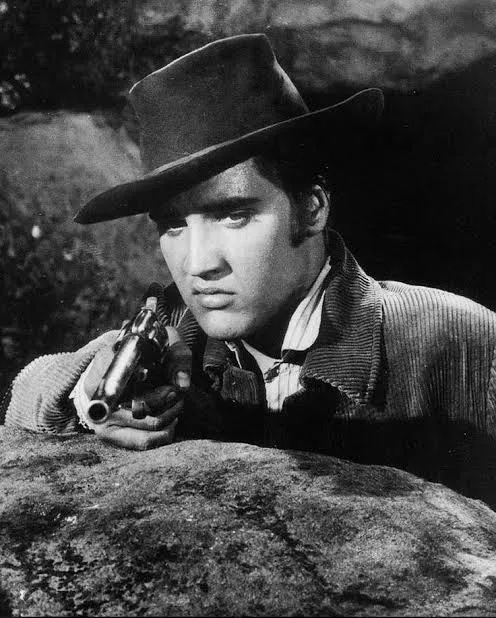
Even more significantly, Elvis’s success in Hollywood set a template for the modern multi-platform entertainer. Before him, singers occasionally acted, but none had bridged the worlds of music and film with such impact. He demonstrated that a performer could dominate multiple entertainment spheres simultaneously, paving the way for future icons like Frank Sinatra, Barbra Streisand, Whitney Houston, Cher, and modern crossover stars. Elvis showed that music and film were not separate empires—they could be conquered together.
The cultural importance of November 15, 1956, becomes clearer with each passing decade. It represents the moment the King of Rock ’n’ Roll took his first steps toward becoming a global myth. When audiences watched Love Me Tender, they weren’t just seeing Elvis act; they were witnessing the transformation of a young man from Tupelo into a figure whose influence would span genres, borders, and generations.
Looking back, one can’t help but feel a sense of awe at the way Elvis moved across industries with such natural grace. His film debut wasn’t flashy or overly dramatic—it didn’t need to be. It was enough for him to simply appear, look into the camera with those unmistakable eyes, and sing in the gentle, heartfelt way only he could. That was the magic. That was the moment Hollywood realized Elvis Presley wasn’t coming to borrow the spotlight—he was coming to own it.
And so, Lights, Camera, Elvis became more than a slogan. It became a prophecy. What began with Love Me Tender blossomed into a cinematic legacy that still captivates fans today. The boy from Mississippi didn’t just step onto the silver screen—he stepped into history. He stepped into the hearts of millions. And with that first movie, he proved something that remains true to this day:
Whether on the stage, behind a microphone, or framed in the glow of a projector, Elvis Presley was made for the spotlight.
Lisa Marie Presley – A Life Lived in Love, Loss, and the Shadow of a Legend
Lisa Marie Presley spent her entire life walking in the long shadow cast by the father she adored, yet she carried that legacy with a rare mixture of grace, vulnerability, and quiet strength. Being the only child of Elvis Presley meant living under a spotlight so bright it could blind anyone who didn’t have her spirit. But what set Lisa Marie apart was that she never measured her life by fame or expectation. What mattered to her—truly, deeply—was love. The kind of love that binds a family together, the kind of love she felt so strongly from her father during the brief years they shared.
To the world, Elvis was a myth, a legend, a cultural force. But to Lisa Marie, he was simply her dad—the man who tucked her in, who made her laugh, who carried her with a tenderness that would shape her soul forever. She often spoke about him not with the awe of a fan but with the softness of a daughter remembering the warmth of a parent she lost too soon. Those memories, fragile as they were precious, stayed with her through every era of her life.
A Light That Returned in an Unexpected Place
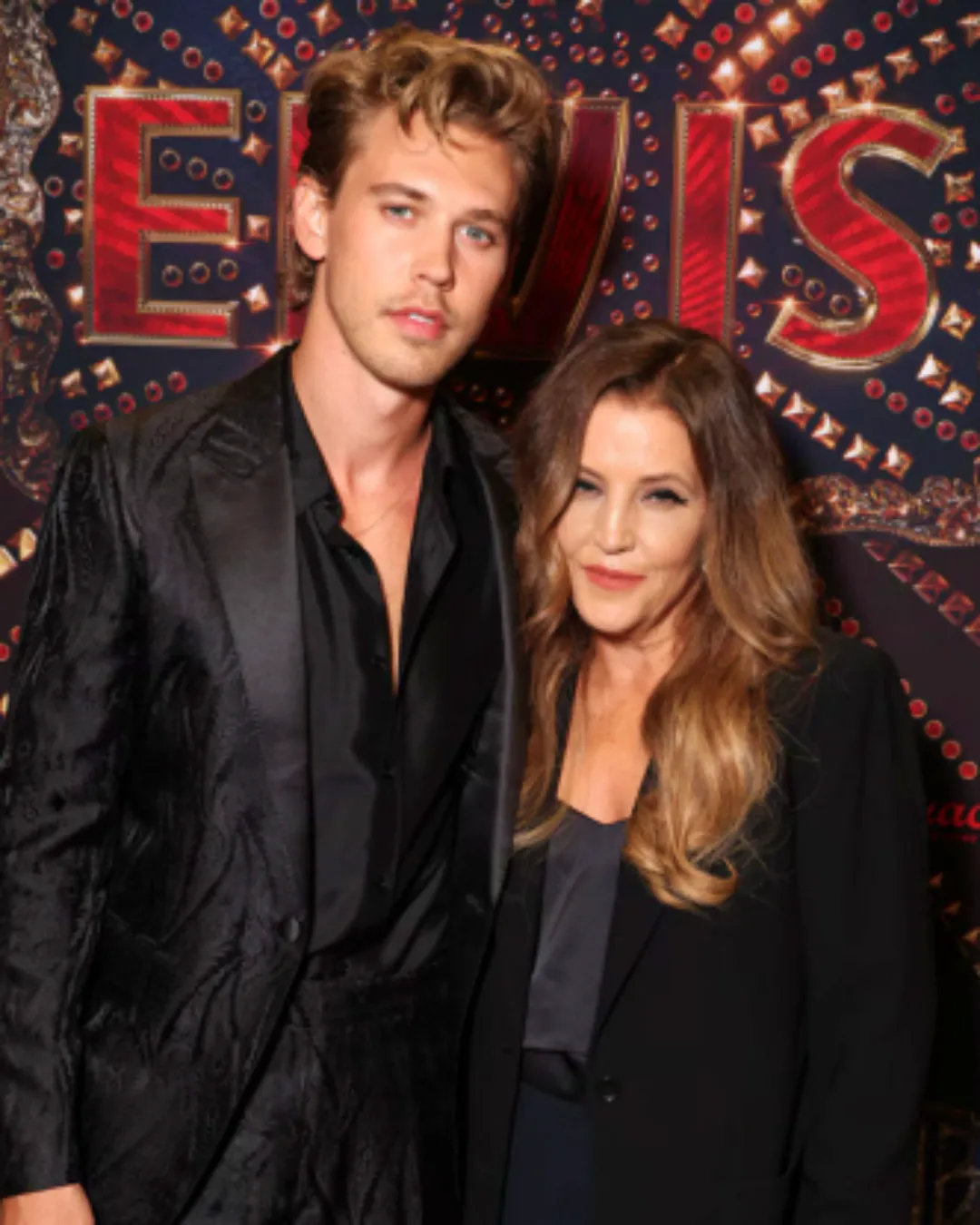
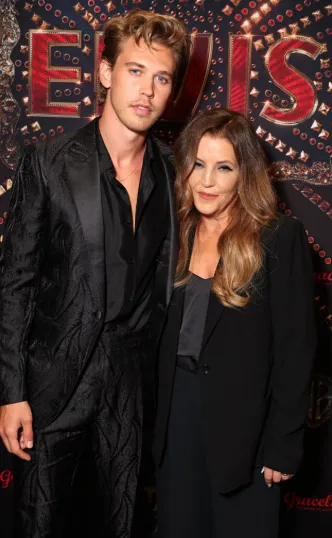
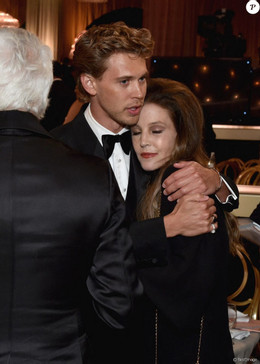
That tenderness resurfaced in a profound way during the promotion of the 2022 film Elvis. The world watched as Lisa Marie stepped into public life again after years marked by grief, hardship, and a retreat from the relentless spotlight. But standing beside actor Austin Butler, something shifted—subtly, beautifully. There was a spark in her eyes, a softness in her smile, a gentleness in her voice that fans had not seen in a long time.
To many, it seemed as if Lisa Marie had found a bridge to the past she longed for.
Her connection with Austin Butler went beyond admiration for his performance. In him, she recognized echoes of her father—the sincerity, the humor, the quiet vulnerability beneath the charisma. Austin approached Elvis not as a role to be played but as a man to be honored. He treated the story with reverence, and Lisa Marie felt that. She felt seen. She felt understood. Through him, she glimpsed the father she missed with every beat of her heart.
At premieres, interviews, and quiet moments captured between them, her expressions said more than words ever could. She looked at Austin not as an actor but as a living memory. A reminder. A comfort. For a woman who had endured so much loss, those moments were like oxygen—brief breaths of peace in a life that had known so much heaviness.
Austin himself would later describe his bond with Lisa Marie as one of the most meaningful experiences of his life. It was a connection forged not in Hollywood glamour but in shared tenderness for the man whose spirit touched them both.

Motherhood: Her True North
But beyond the cameras, beyond the legacy, beyond the weight of the Presley name, Lisa Marie’s heart belonged entirely to her children. Riley Keough, her eldest daughter, often spoke of her mother’s fierce devotion—how Lisa Marie protected them, nurtured them, and poured every ounce of her strength into being present. And then came her twins, Finley and Harper, whom she adored with equal intensity. They were her grounding force, her purpose, her healing.
Motherhood transformed Lisa Marie. It allowed her to shape a family in the way she believed Elvis would have wanted. She gave her children love the way she had received it—open, unconditional, and fiercely loyal. Fame never mattered to her. Applause never mattered. Even her own music and career took a backseat when it came to her children’s well-being.
And yet, her life was marked by unimaginable heartbreak. The loss of her son, Benjamin Keough, shattered her. Benjamin, so often compared to Elvis in both spirit and soul, was the child who mirrored her father most closely. His death carved a wound so deep it could never fully heal. Still, she found the strength to keep moving, for Riley, for the twins, for the love she believed was her duty to give.
Lisa Marie didn’t survive because she was famous.
She survived because she was a mother.
Because love, not legacy, anchored her.
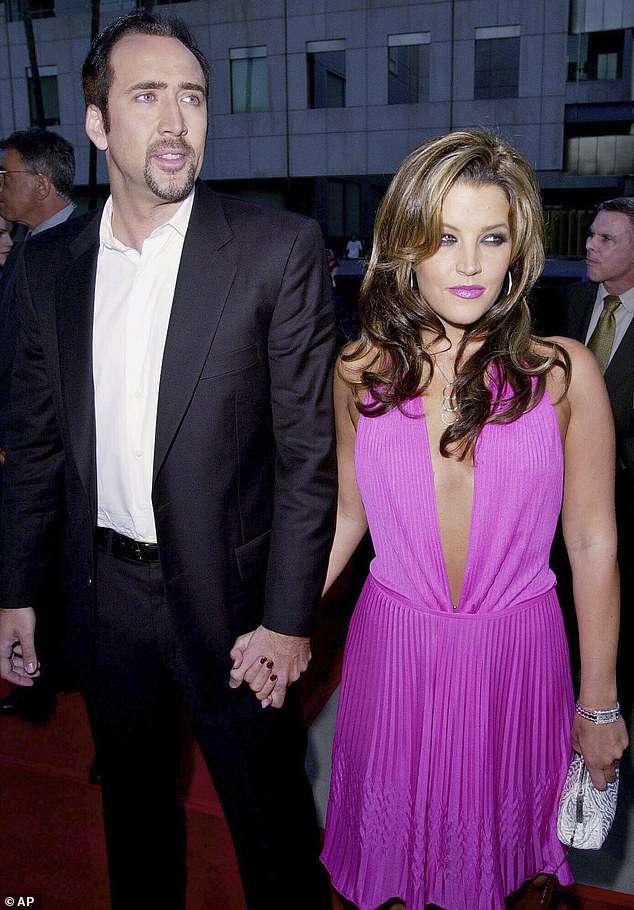
A Farewell That Broke the World’s Heart
When Lisa Marie Presley passed away in January 2023, the world didn’t just lose the daughter of a legend. It lost a woman who had lived with extraordinary courage. A woman who, despite the weight of her name, remained achingly human—gentle, flawed, resilient, and endlessly devoted to the people she loved.
Tributes poured in from every corner: musicians, actors, lifelong fans, and everyday people who felt they had grown up with her family’s history. At the gates of Graceland, flowers piled high. Notes from strangers thanked her for her honesty, her vulnerability, her courage. Many said it felt like losing a piece of Elvis again—because Lisa Marie was, in so many ways, the last beating heart of his legacy.
But she was also her own person. An artist. A mother. A survivor. A woman who loved deeply, felt deeply, and lived with a kind of emotional bravery that few ever understood.
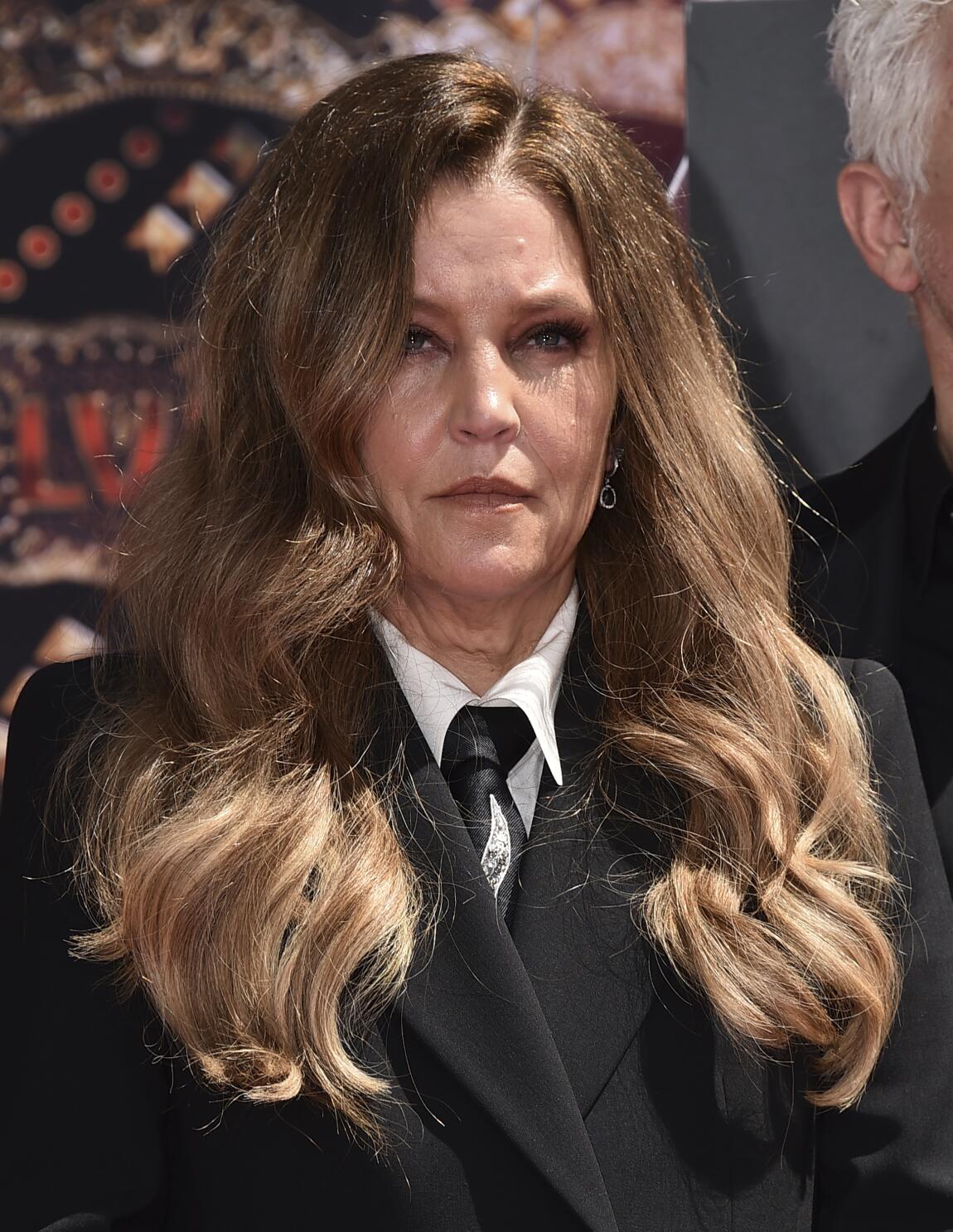
A Legacy Woven in Tenderness
In remembering Lisa Marie, people return again and again to the quiet moments—her gentle words about her father, the protective embrace around her children, and the way she smiled at Austin Butler as if seeing her father’s soul flicker back into the world for the briefest of moments.
Those small, intimate moments tell the true story of her life.
Lisa Marie Presley will be remembered not just because she was Elvis’s daughter, but because she carried a fragile beauty within her—a humanity shaped by love, loss, and connection. She lived with a heart that had been broken many times, yet she never let it stop her from loving with all that remained.
And in that love—shared with her family, her children, and even in the tender bond she formed during the making of Elvis—she left behind the final, most precious chapter of a legacy that continues to move the world.