
Elvis Presley: The Eternal King of Rock ’n’ Roll
Elvis Presley—just the mention of his name evokes an entire universe of sound, movement, and charisma. Known worldwide as le roi du rock’n’roll, Elvis was more than a singer or performer; he was a cultural revolution, a spark that ignited modern music and transformed the landscape of entertainment forever. His mythical voice, legendary hip-shaking, and magnetic presence created a phenomenon that transcended generations. Today, decades after his passing, Elvis remains an icon whose influence continues to vibrate through music, fashion, cinema, and global pop culture.

A Voice Carved Into History
Elvis’s voice is perhaps his most enduring legacy—rich, versatile, emotional, and instantly recognizable. It carried the soulfulness of gospel, the raw grit of blues, the storytelling charm of country, and the rhythmic electricity of rhythm & blues. Few artists in history have possessed a voice capable of soaring with power one moment and melting into tenderness the next.
Songs like “Heartbreak Hotel,” “Love Me Tender,” “Hound Dog,” and “Suspicious Minds” demonstrate the full spectrum of his abilities. With every note, he conveyed vulnerability, passion, rebellion, and longing. His voice didn’t just sing melodies—it told stories, expressed desires, and revealed shadows of the heart. Even without modern studio effects, Elvis could mesmerize an audience with a simple, raw vocal line.
It was a voice that shaped a generation, and in many ways, shaped the story of popular music itself.
The Legendary Moves That Shocked the World
If Elvis’s voice was unforgettable, his movements were unstoppable. His signature hip-shake—playful, daring, and utterly original—shattered taboos and electrified audiences. In the conservative social climate of the 1950s, these performances were considered scandalous, even dangerous. Some television shows famously filmed him only from the waist up, fearing the “effect” his dancing would have on viewers.
Yet what critics condemned, the youth adored.
Elvis danced not to provoke, but because rhythm moved naturally through his body. His energy was authentic, unfiltered, and filled with life. That authenticity sparked a cultural explosion. Suddenly, music was not only to be heard, but also to be felt, seen, and experienced. Elvis opened the door for a new kind of performer—the artist who could sing, dance, captivate, and embody an entire movement.
His stage presence forever changed how artists engage with audiences.

Magnetic Charisma Beyond Explanation
There are stars—and then there is Elvis.
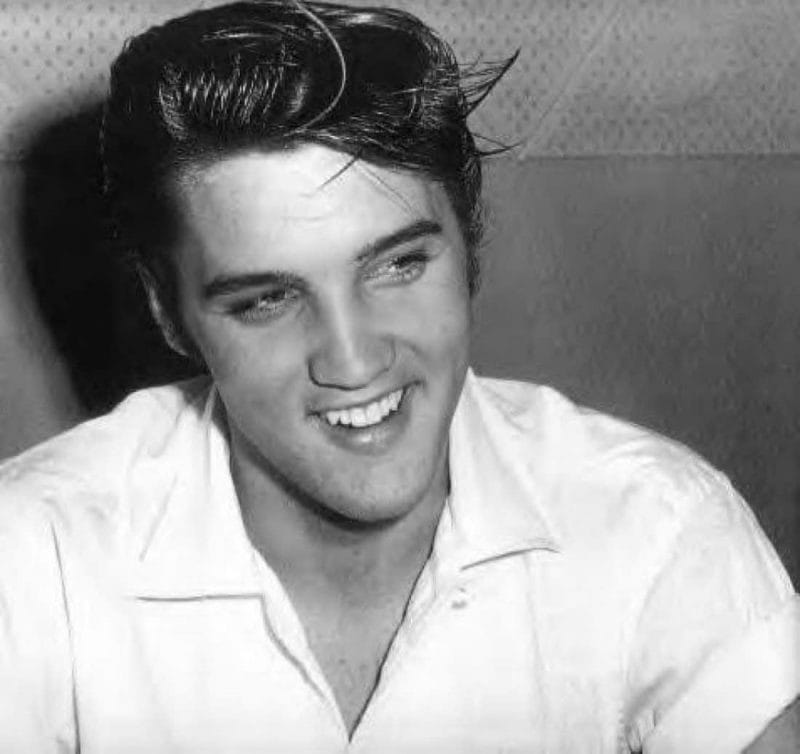
His magnetic charm cannot be fully explained. It was a mixture of innocence and confidence, humility and allure, vulnerability and power. His eyes, warm and expressive, could charm a crowd instantly. His smile—sometimes shy, sometimes mischievous—felt both genuine and iconic. Even standing still, he radiated a glow that drew people to him.
Elvis didn’t try to be a symbol; he simply was one.
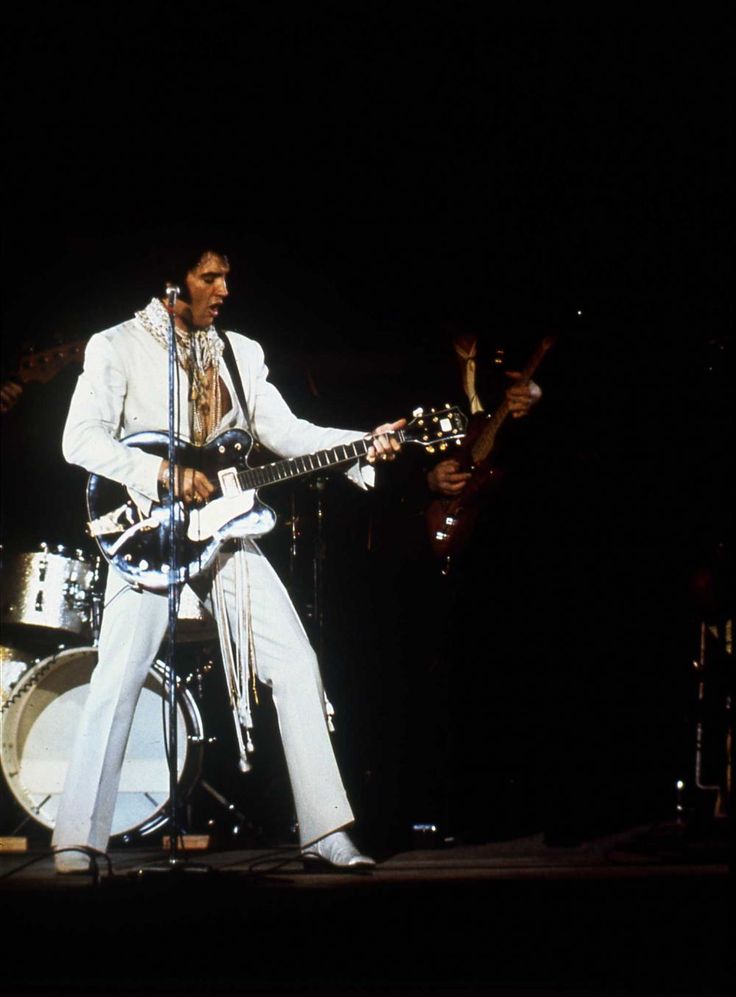
His style was equally unforgettable: the slicked-back hair, the high collars, the flashy jumpsuits of the Vegas years, the effortlessly cool leather from the ’68 Comeback Special. Through fashion alone, Elvis created a blueprint for generations of performers—from glam rockers to modern pop stars.
The Revolution Named Elvis Presley
When Elvis recorded “That’s All Right” at Sun Studio in 1954, something extraordinary happened. In that moment, genres that had long been divided—racially, culturally, socially—merged into a groundbreaking new sound. Rock’n’roll was born in its popular form, and Elvis became its lightning rod.
He brought the raw passion of African-American music to the mainstream and exposed it to massive global audiences. He bridged musical worlds, defied norms, and challenged the boundaries of what was acceptable on radio and television.
Artists across the world—from The Beatles and The Rolling Stones to Johnny Hallyday, Bruce Springsteen, and countless others—have openly acknowledged his influence. As John Lennon famously said:
“Before Elvis, there was nothing.”
Elvis didn’t simply perform music; he reshaped the very foundation of the industry.
A Timeless Presence in World Culture
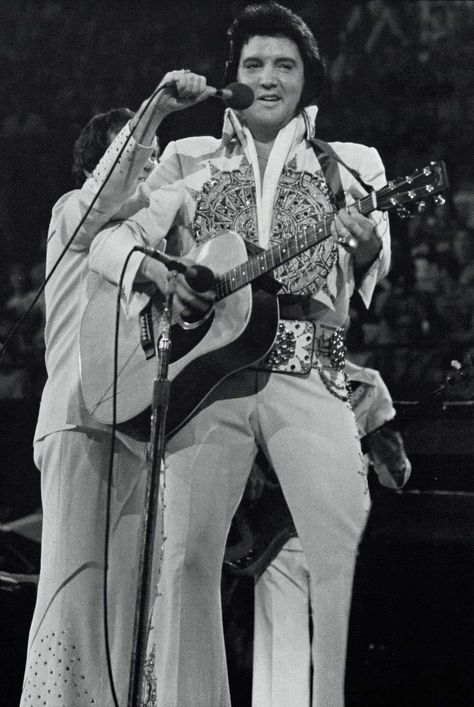
Elvis’s legacy extends far beyond his discography. He became a global icon whose image is instantly recognizable: Elvis in uniform during his Army service; Elvis in black leather, reclaiming his throne in 1968; Elvis in a white jumpsuit, commanding Las Vegas with unmatched power.
His home, Graceland, has become a pilgrimage site visited by millions each year. His films, though often lighthearted, broadcast his charm to people who may never have seen him live. And his aesthetic continues to influence fashion designers, graphic artists, filmmakers, photographers, and entertainment creators worldwide.
From France to Japan, from Brazil to Iceland, Elvis is not just an American symbol—he is a universal one.

Why Elvis Still Resonates Across Generations
Decades after his passing, Elvis remains one of the most celebrated and beloved figures in music. His appeal endures for several reasons:
1. His Music Speaks to the Human Heart
Elvis expressed emotions that everyone understands—love, heartbreak, joy, longing. His voice carries sincerity that transcends time.
2. He Was Always Evolving
From rockabilly rebel to polished balladeer, from gospel singer to Vegas icon, Elvis never stopped reinventing himself.
3. His Image Became Cultural DNA
Few artists have shaped global aesthetics as strongly as Elvis. His look, attitude, and style became templates for modern stardom.
4. He Embodied Freedom
Elvis represented youthful rebellion, artistic liberation, and the fearless pursuit of passion. That spirit still inspires.
Conclusion: Elvis Presley—A Legend That Will Never Fade
Elvis Presley was not simply a performer or a celebrity. He was—and remains—a cultural force of nature. His mythical voice has echoed through decades; his legendary moves revolutionized entertainment; his charisma continues to captivate hearts around the world. Elvis didn’t just change music—he changed the world.
Today, looking back at images of Elvis—from the early Sun Records sessions to the bright lights of Las Vegas—we see more than fame. We see a spirit of passion, creativity, and freedom that still beats in the heart of modern culture.
Elvis has never truly left us.
He simply moved into eternity—where every note, every rhythm, and every dream lives forever.
The Quiet Devotion of Elvis Presley: A Son’s Love That Never Faded
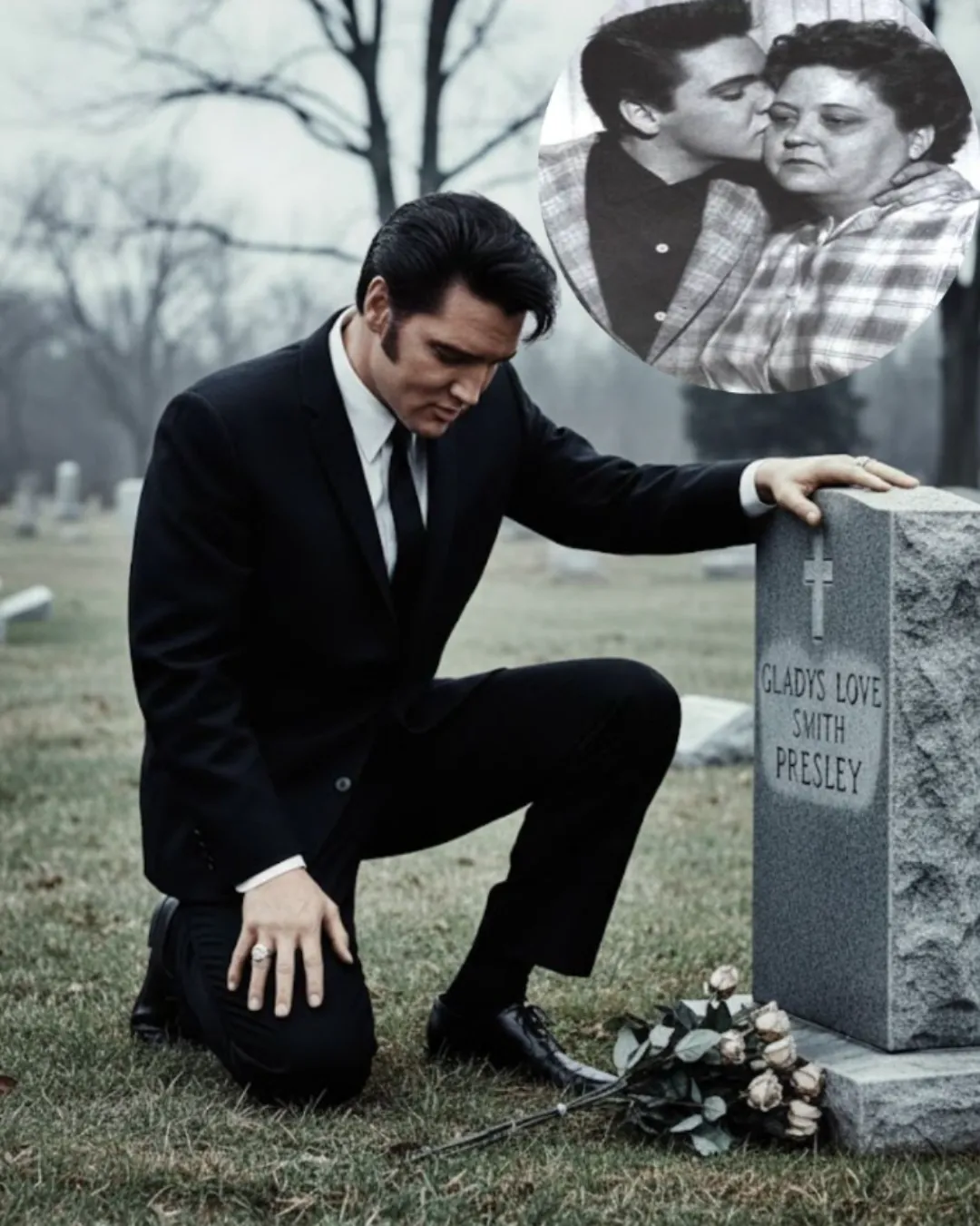
Few people realize how quietly devoted Elvis Presley remained to his mother long after she was gone. Week after week, without interruption, flowers were delivered to Gladys Presley’s grave. Distance did not matter. Tours did not matter. Exhaustion did not matter. Wherever Elvis was in the world, the arrangement was made. It was never announced or displayed for attention. It was a private promise, kept faithfully until his own death in 1977.
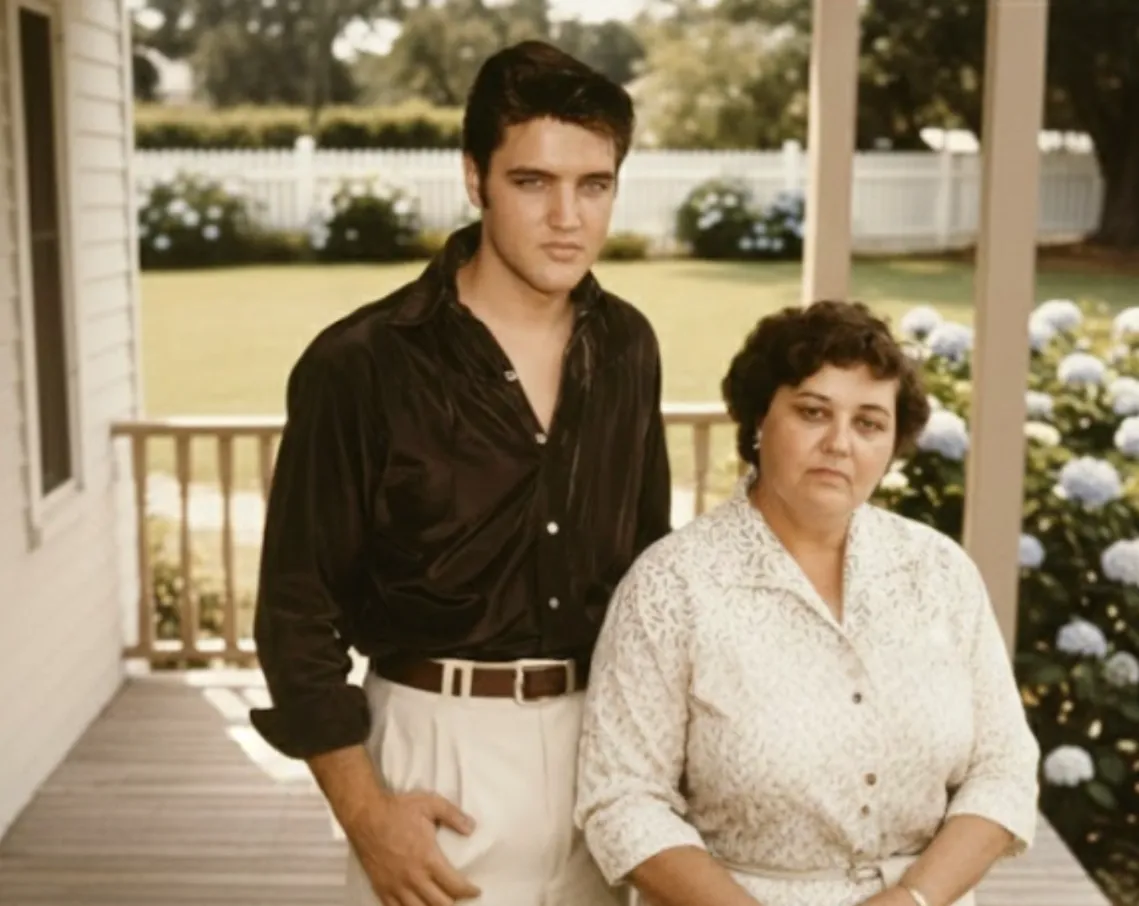
Gladys Presley had known loss long before her son became a star. Before Elvis was born, she lost her first child, Jesse, a grief that settled deep into her life and never fully left. When Elvis survived, she wrapped every ounce of her love around him. He became her center, her comfort, and her reason to keep going. Their bond was intense, deeply affectionate, and protective. Elvis did not simply feel loved by his mother — he felt understood.
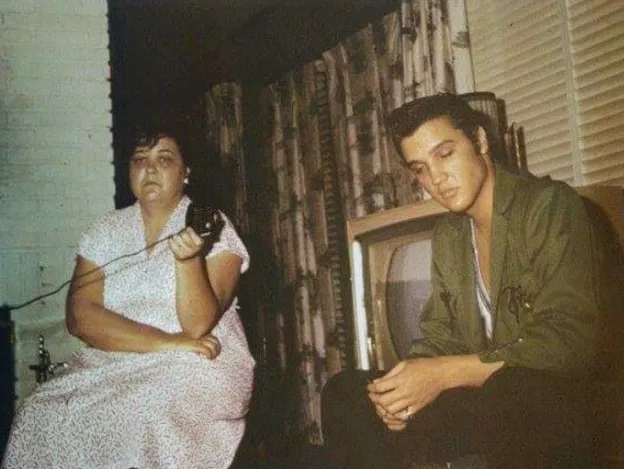
When fame arrived, that closeness began to fracture. As Elvis was pulled into a world of recording studios, film sets, and endless travel, Gladys felt the distance acutely. She worried constantly about his health, his safety, and the pressures surrounding him. The boy she had raised was becoming a man claimed by the world, and she feared losing him all over again.
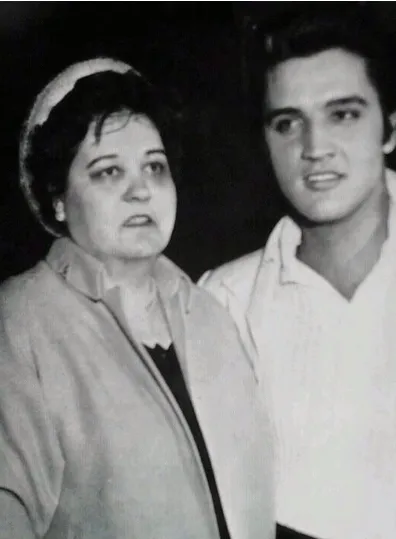
Unable to express that fear openly, Gladys turned inward. Alcohol and prescription pills became a way to quiet the loneliness and anxiety she carried. Over time, the toll on her health grew severe. While Elvis was serving in the Army overseas, her condition deteriorated rapidly. By the time he was notified and rushed home, there was little that could be done.
On August 14, 1958, Gladys Presley died at just forty-six years old. For Elvis, the moment shattered everything. Those who were present never forgot the sight of him collapsing beside her, holding her tightly, calling her by the tender names only he used. He whispered that she was his “best girl,” his anchor, the one person who had always made him feel safe.
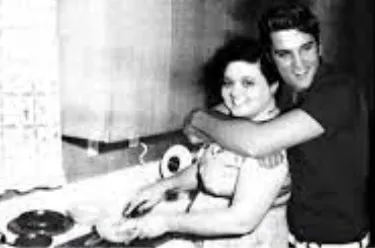
This was not simply the loss of a parent. It was the loss of the person who knew him before the world tried to define him.
From that day forward, a part of Elvis remained with his mother. The flowers placed on her grave were not mere gestures of remembrance. They were acts of love, regret, and longing. Each arrangement was a quiet conversation — words spoken too late, apologies never voiced, affection that had no place to go.
Behind the legend, Elvis lived with a profound loneliness. Fame brought applause, but it did not bring comfort. As his life grew larger, the emotional space left by his mother’s absence only deepened. Those closest to him noticed that he searched endlessly for reassurance, for stability, for the kind of unconditional love he had known only once.

Music became one of the few places where he could still reach her. In his gospel recordings especially, listeners can hear a vulnerability that feels like prayer. Faith and memory intertwined. Singing was not just performance — it was connection. Through music, Elvis reached back toward the woman who had believed in him before anyone else.
Even as his life became increasingly chaotic, the ritual never stopped. Every week, flowers arrived. It was one thing he could control, one promise he could always keep. In a world that demanded everything from him, this small, consistent act belonged only to love.
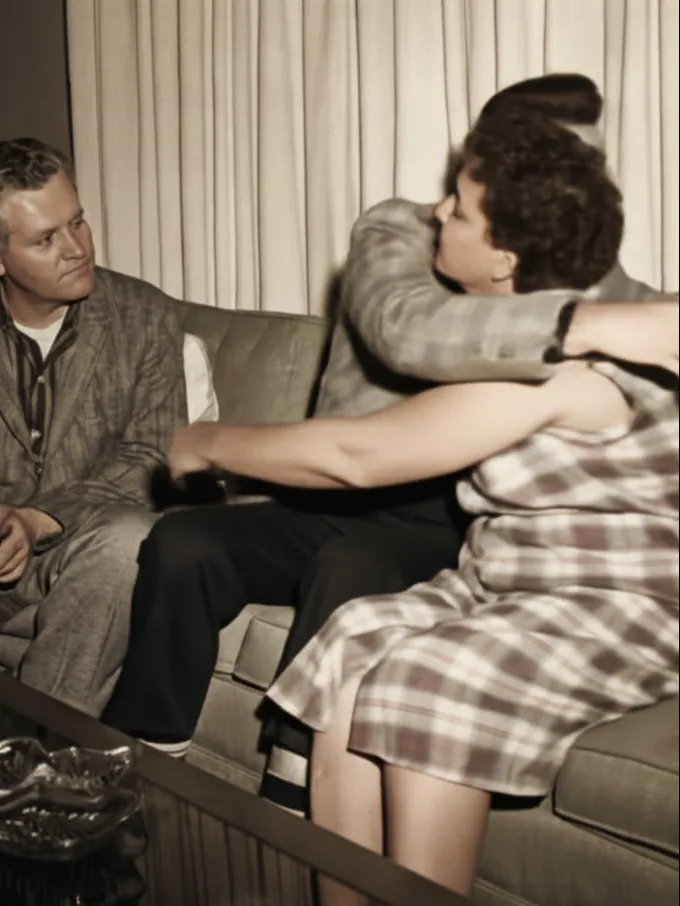
Elvis Presley became one of the most famous figures in modern history, yet at his core he remained the boy from Tupelo who adored his mother. Success did not erase that identity. If anything, it made the loss more painful. Without Gladys, the world felt louder, harsher, and less safe.
When Elvis died in 1977, the flowers stopped only because his heart did. The promise ended where it began — with love.

Today, fans often speak of Elvis in terms of records, awards, and cultural impact. But perhaps his truest legacy lies in something far quieter. A son who never forgot. A bond that survived fame, distance, and death. A love so deep that even time could not diminish it.
In the end, behind the crown, behind the legend, Elvis Presley was always a son.
And he never let his mother go.