
Remembering Lisa Marie Presley: A Woman Who Lived Authentically in the Spotlight
Today, we pause—not out of obligation, but out of respect—to remember Lisa Marie Presley on the anniversary of her passing. It is a moment that invites quiet reflection rather than noise, sincerity rather than spectacle. Lisa Marie lived a life framed by one of the most famous legacies in modern history, yet her story was never simply an extension of her father’s. It was a story of identity, endurance, and the courage to exist truthfully in a world that rarely allowed her privacy.
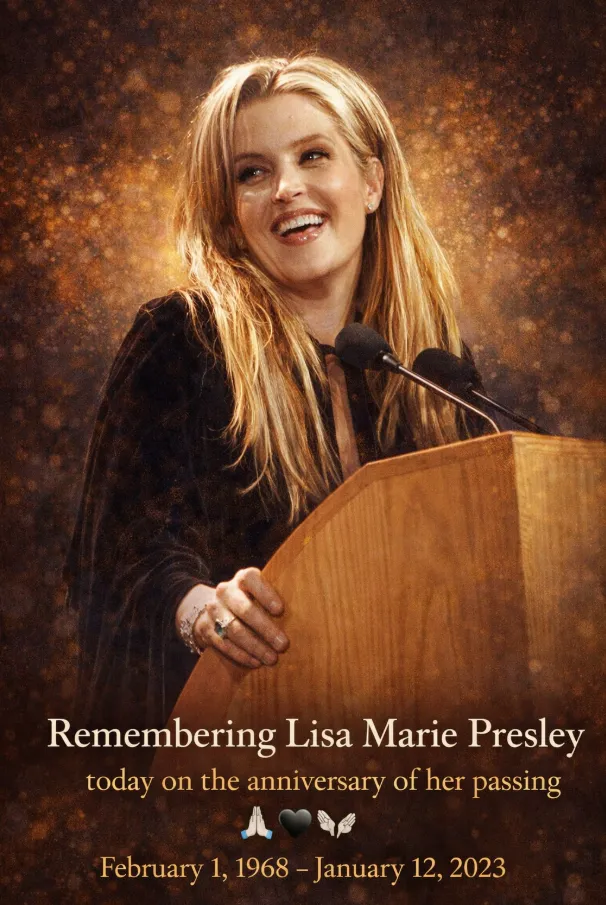
Born on February 1, 1968, Lisa Marie Presley entered the world with a name that needed no introduction. From her earliest days, she was known before she could be understood, recognized before she could define herself. Being the only child of Elvis Presley meant growing up with both extraordinary privilege and extraordinary pressure. The world watched, speculated, and judged, often forgetting that behind the legacy was a young girl learning who she was.
Her childhood was shaped by contrasts. There was beauty, protection, and access that few could imagine, but there was also loss at an early age, confusion, and emotional complexity. The death of her father when she was just nine years old became a defining moment, one that altered the course of her life forever. Grief arrived early, and it stayed. Lisa Marie would carry it not as a public symbol, but as a deeply personal companion.
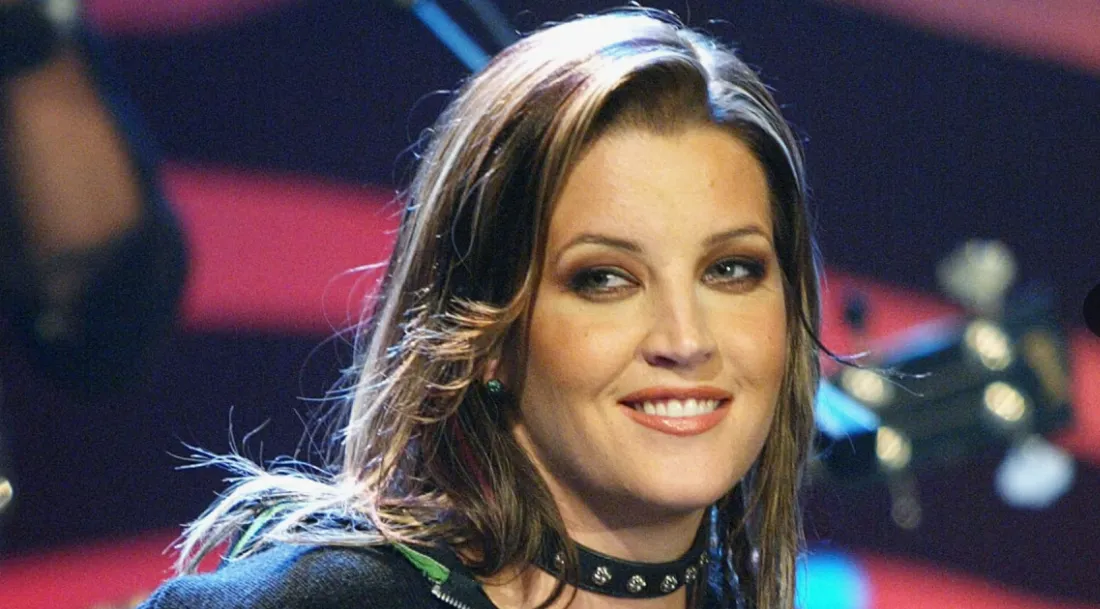
Throughout her life, she resisted being reduced to a single identity. She did not want to exist solely as “Elvis Presley’s daughter,” though she never denied or distanced herself from that bond. Instead, she sought balance—honoring the legacy while insisting on her own voice. That insistence was not always welcomed, but it was always honest.
Music became one of her clearest forms of self-expression. As an artist, Lisa Marie Presley did not aim to entertain in the conventional sense. Her work was introspective, sometimes uncomfortable, and unapologetically raw. She wrote about grief, isolation, resilience, and the ongoing search for meaning. Her lyrics carried emotional weight, reflecting a life lived under scrutiny but felt deeply from within.
She never chased commercial trends or polished perfection. Her voice—both literal and artistic—was grounded in truth. Listeners who approached her music without expectation often found something quietly powerful: a woman telling her story without filters. Through her albums, she reclaimed narrative control, speaking not as an icon’s daughter, but as a survivor, a thinker, and a human being.
Beyond music, Lisa Marie was a woman of complexity and contradiction. She loved fiercely, trusted deeply, and felt profoundly. Her relationships were often lived in public, sometimes unfairly dissected by those who saw only headlines. Yet those close to her spoke of loyalty, humor, and emotional intelligence. She was private by nature, even when privacy was impossible.
As a mother, Lisa Marie found her deepest purpose. Her children were her anchor, her motivation, and her greatest source of pride. She protected them with intensity, determined to shield them from the weight she herself had carried. Even in moments of immense personal pain, she placed her role as a mother above all else.
Her life was not without struggle. She faced loss in ways few could endure, including the unimaginable pain of losing a child. Through grief, she remained standing—not unbroken, but honest about the cracks. She did not romanticize suffering, nor did she hide from it. She lived openly, acknowledging pain while continuing forward.
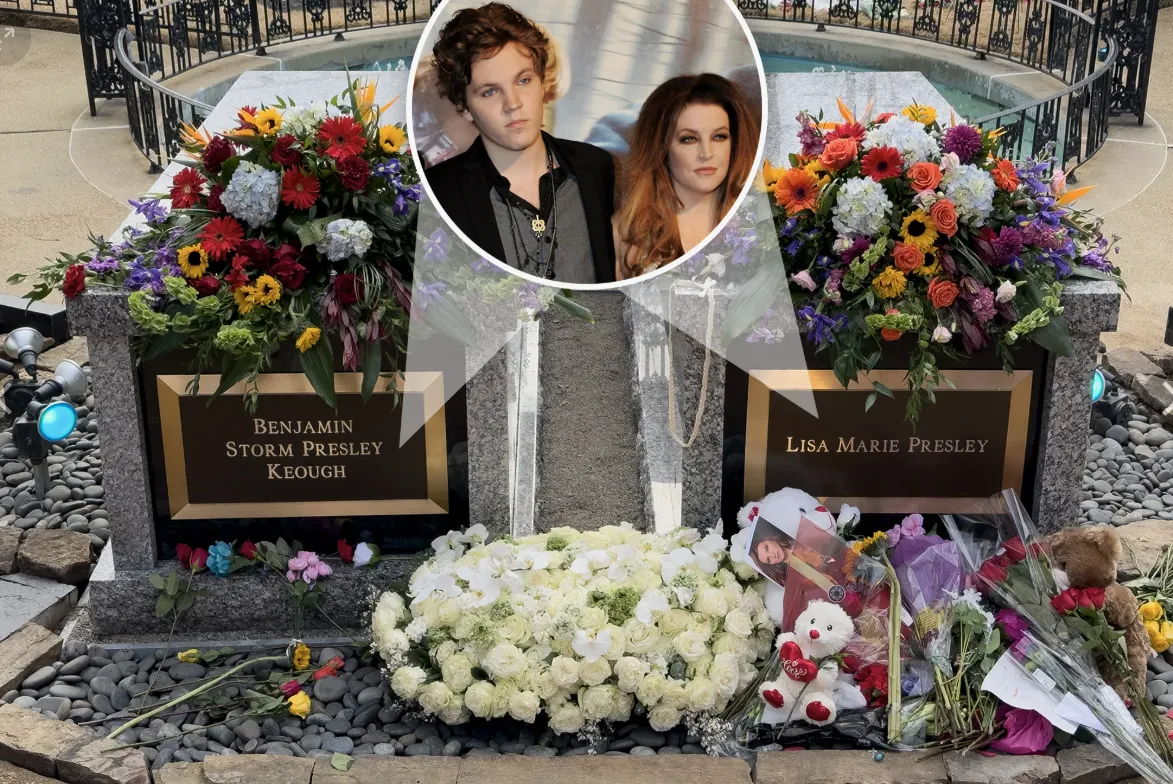
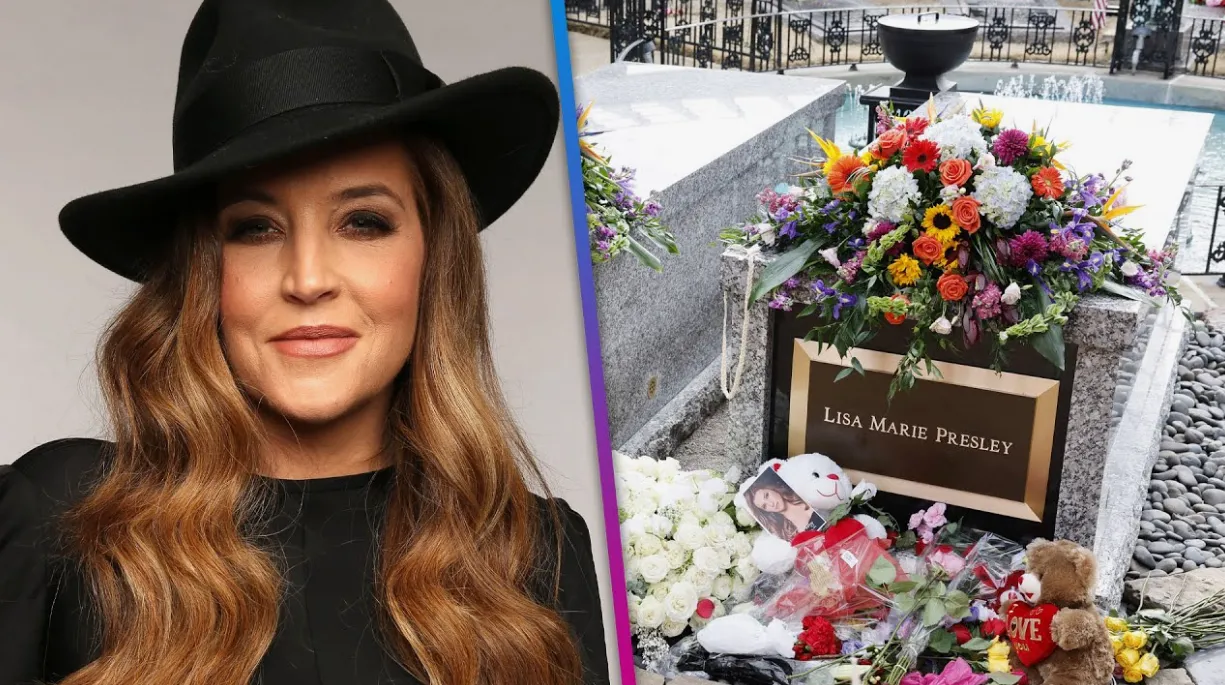
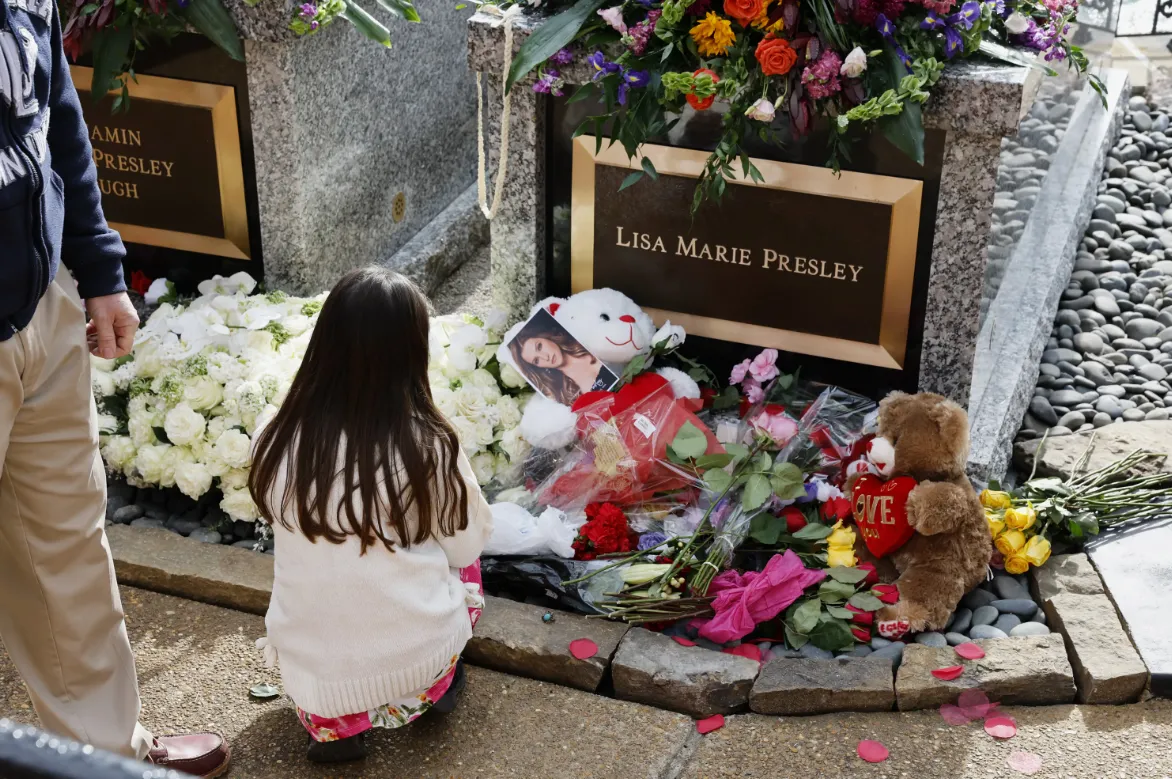
On January 12, 2023, Lisa Marie Presley left this world, sending shockwaves through those who loved her and those who had followed her journey from afar. Her passing was sudden and deeply felt, a reminder of how fragile even the strongest lives can be. In the days that followed, tributes poured in—not just from fans of the Presley legacy, but from those who recognized her individual strength.
Yet Lisa Marie’s spirit did not end with her passing. It lives on—in her music, which continues to speak for her; in her words, which remain etched in interviews and writings; and in the lives of her children, who carry her presence forward. Her legacy is not one of perfection, but of authenticity.
Today, we remember Lisa Marie Presley not as a headline or a footnote in history, but as a woman who lived with courage. A woman who loved deeply, created honestly, and endured quietly. She did not ask to be mythologized. She asked only to be understood.
And in remembering her today, perhaps the greatest tribute we can offer is exactly that: understanding
The Truth Buried Behind Elvis Presley’s Final Moment
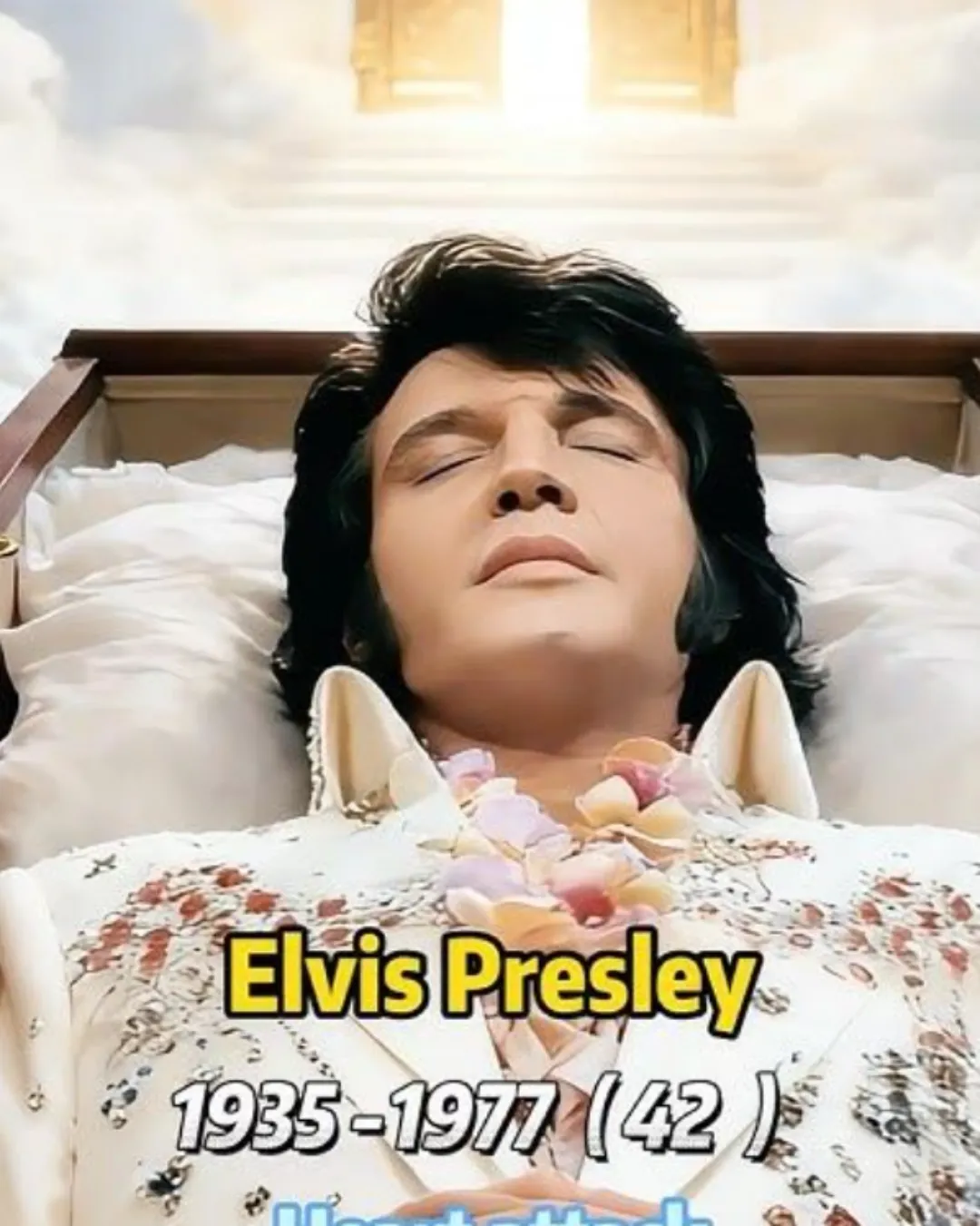
In the days following Elvis Presley’s death, the world was still struggling to understand what had happened. Grief moved slowly, like a heavy fog. Fans gathered in silence, radios played his songs without interruption, and Graceland became a place of stunned disbelief. The King of Rock and Roll was gone. Yet before the sorrow had time to settle, a darker truth quietly unfolded behind the scenes — one that revealed how deeply fame had claimed Elvis, even in death.
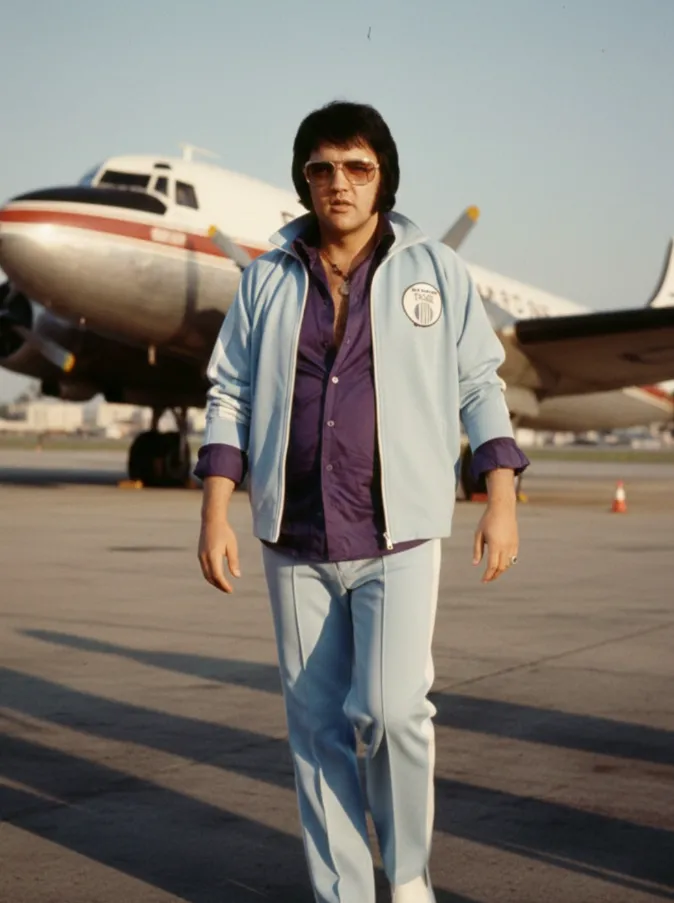
While the Presley family mourned in private, someone from within their own circle made a choice that would haunt the legacy of that moment forever. Elvis’s cousin accepted a large sum of money to secretly photograph his body after the open-casket funeral. It was a moment that should have belonged only to love, respect, and farewell. Instead, it was captured, sold, and turned into spectacle.
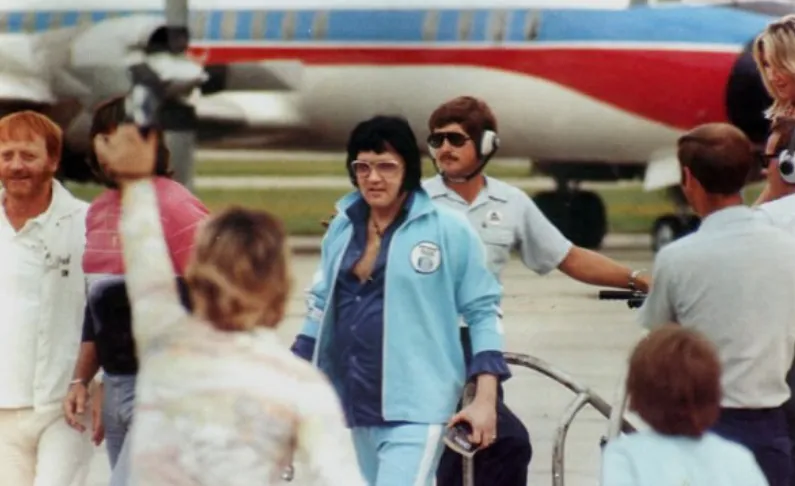
Those photographs were purchased by a tabloid magazine and published shortly afterward. The issue became the best-selling edition in the magazine’s history. More than six million copies were sold. People bought it for different reasons — curiosity, disbelief, the need for proof that Elvis Presley was truly gone. But regardless of intention, the result was the same: even in death, Elvis was consumed by the machinery of fame.
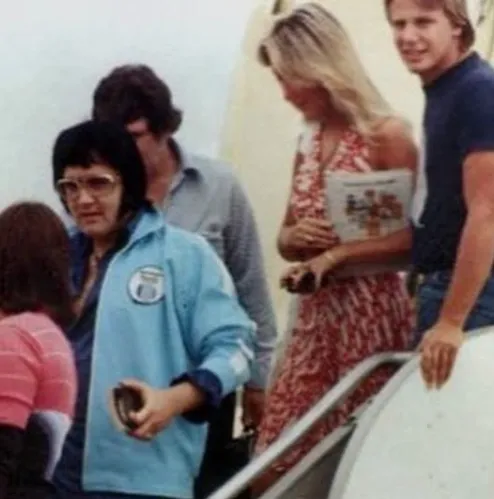
For most of his life, Elvis had lived without true privacy. From the moment he rose to national attention, every detail of his appearance, relationships, health, and behavior became public property. Cameras followed him. Headlines dissected him. Rumors reshaped him. Fame had once opened doors and created miracles, but over time it became a force that never released its grip.
Yet death is supposed to be different. Death is meant to draw a boundary — a final line where spectacle ends and dignity begins. For Elvis, that boundary was never honored.
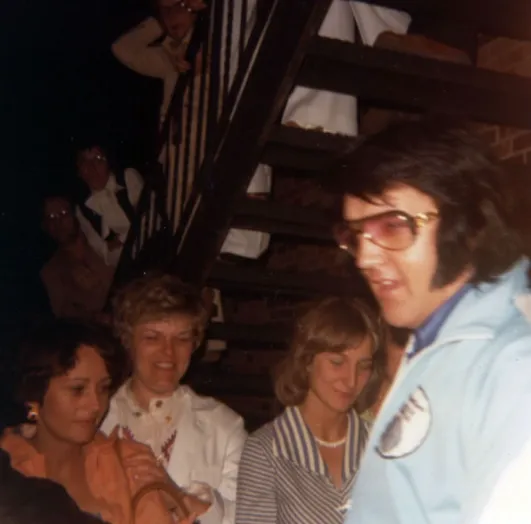
The publication of those photographs sent shockwaves through the Presley family. Losing Elvis was already an unbearable wound. Seeing his final moments turned into commercial material reopened it in the most brutal way. What should have been sacred was reduced to merchandise. What should have been protected was exposed. The betrayal did not come from distant strangers, but from someone close enough to know better.
It was not just an emotional violation. It was a spiritual one.
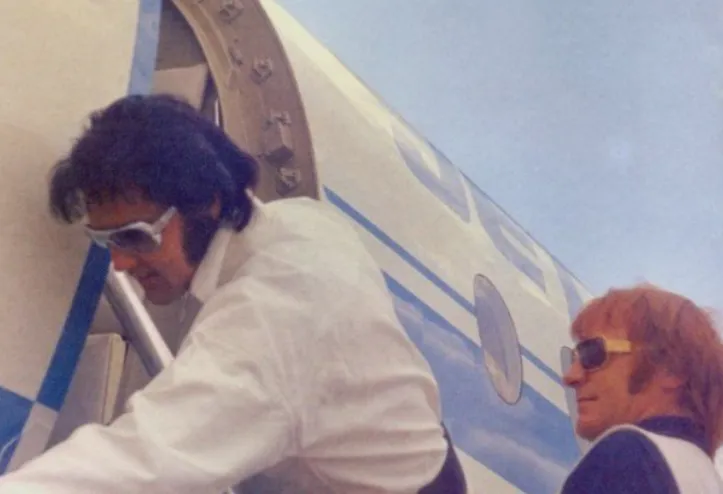
Elvis was a global icon, but within his family, he was still a son, a cousin, a man who laughed, struggled, and loved deeply. The knowledge that his body had been photographed and sold for profit shattered any illusion that fame would stop at the grave. It was proof that the world’s appetite for Elvis did not end with his final breath.
The magazine sales tell a disturbing story. Six million copies did not sell because of cruelty alone. They sold because celebrity culture thrives on access — the belief that the public is entitled to see everything, even death. In that moment, grief became a transaction. Loss became content. A human being became evidence.
And Elvis, once again, paid the price.
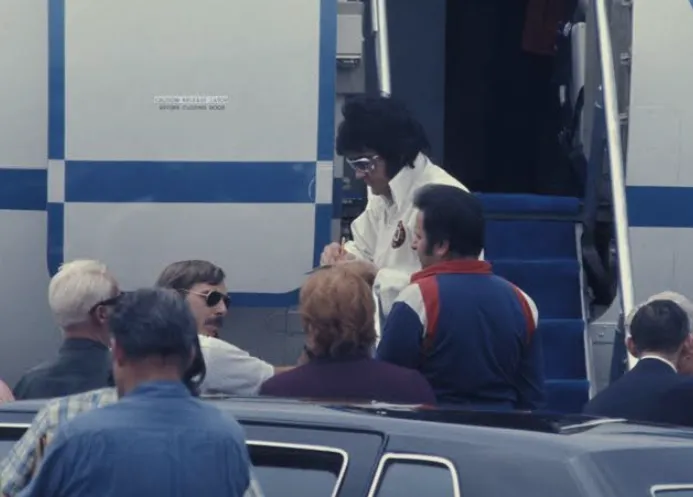
What makes this story so uncomfortable is not just the act itself, but what it reveals about society. Elvis gave the world his voice, his energy, his vulnerability, and his life’s work. He carried millions through heartbreak, loneliness, and joy. His music became a companion to people who felt unseen. Yet when he could no longer protect himself, the world still reached for him.
The Presley family never forgot that betrayal. Even decades later, it stands as one of the most painful chapters in Elvis’s story — not because of scandal, but because of what it exposed. Fame did not stop at respect. It did not pause for mourning. It did not allow silence.
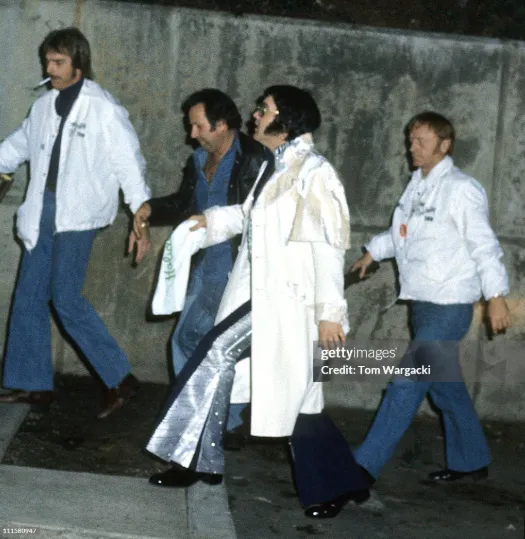
Ironically, time has rendered those photographs meaningless. The magazines faded. The pages yellowed. The shock lost its power. What remains is not the image that was sold, but the music that endured. The voice that still plays on radios. The presence that still feels alive.
Elvis Presley is not remembered for how he looked in death. He is remembered for how he made people feel in life.
That is the quiet justice of time.
The story of those photographs is not an indictment of Elvis. It is an indictment of a culture that struggles to separate love from consumption, remembrance from intrusion. It forces us to ask an unsettling question: was a legend like Elvis ever truly allowed to leave the world in peace?
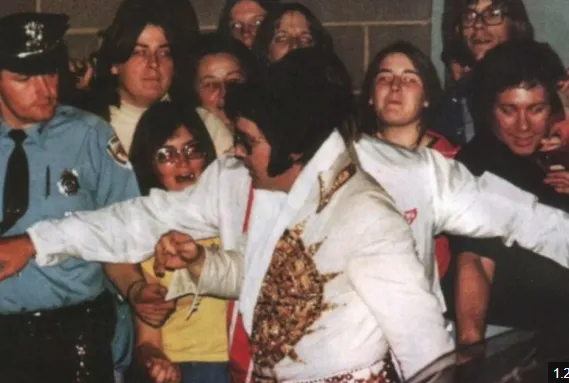
Perhaps not.
But what cannot be stolen, sold, or exploited is the bond he created with people through music. No photograph can touch that. No betrayal can erase it. And no tabloid can define it.
In the end, Elvis belonged to the world — but his soul, his art, and his legacy belong to something far deeper. And that is where he remains, untouched, long after the noise has faded.